


With millions of people from around the world expected to visit the U.S., experts warn that Americans could be vulnerable to infectious diseases
Credit: Getty
NEED TO KNOW
- Experts warn the U.S. is vulnerable to infectious diseases as millions arrive for the FIFA World Cup
- Leadership gaps at the CDC and reduced global health funding raise concerns about outbreak preparedness
- Measles poses a greater threat than Ebola due to declining vaccination rates and the virus’ ability to spread in crowds
Experts are ringing the alarm that the U.S. is vulnerable to infectious diseases — from respiratory illnesses like the flu to more severe outbreaks of Ebola and measles — as millions prepare to arrive for the World Cup during a period of turmoil for the country's health leadership.
The U.S. Centers for Disease Control does not currently have a director; Dr. Susan Monarez says she was fired last year by the Trump administration amid policy conflicts with Health and Human Services head Robert F. Kennedy Jr.. National Institutes of Health director Dr. Jay Bhattacharya is filling the role temporarily, but according to USA Today, he's stepping down, since he's not legally allowed to perform the role for more than 210 days without an official appointment. Meanwhile, the CDC's second-in-command — the role of deputy director — is vacant.
Credit: Nathan Posner/Anadolu Agency via Getty
The U.S. has also withdrawn from the World Health Organization, defunded the international relief agency, USAID, and appointed a penis expert to lead the U.S. response to the most recent infectious disease outbreak, hantavirus.
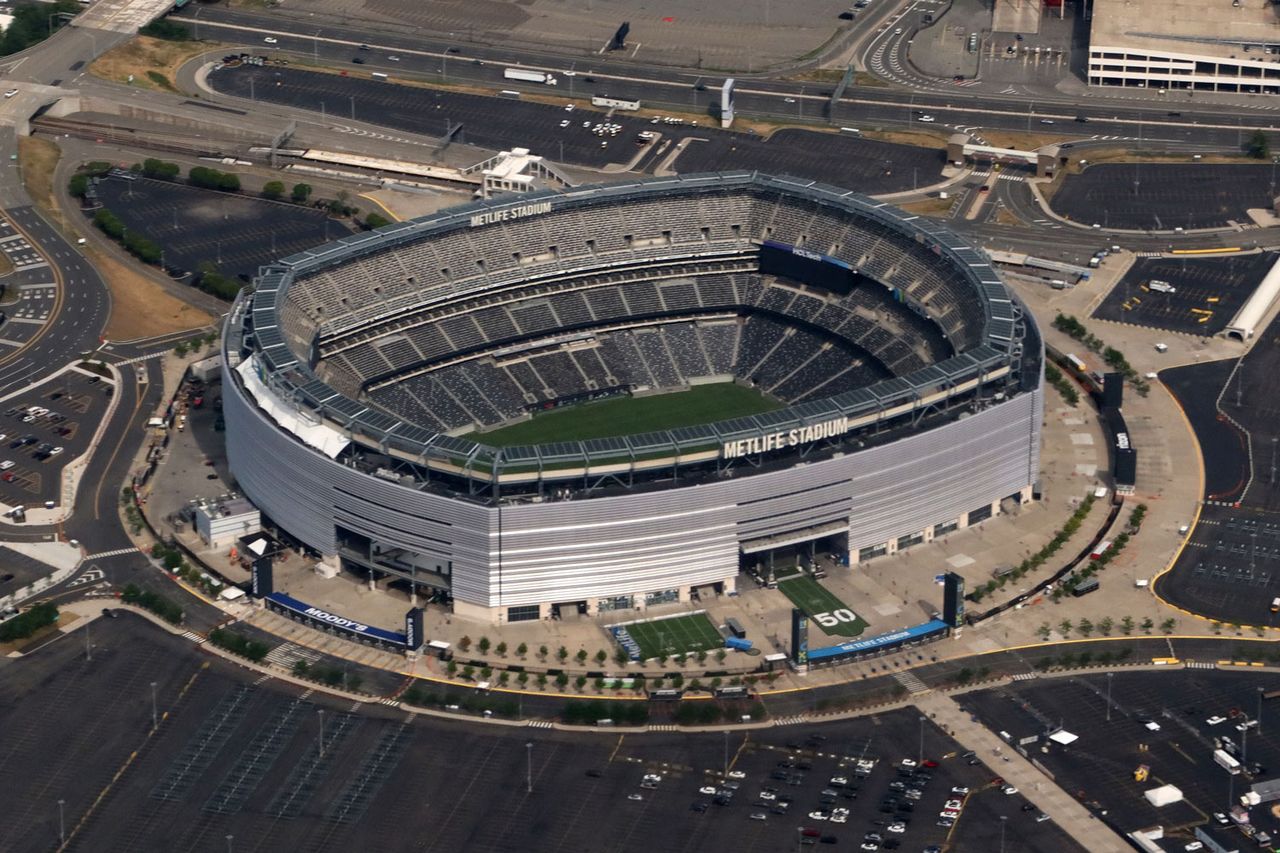
And now, millions are set to visit the U.S. as 11 cities prepare to host the FIFA World Cup. The tournament kicks off June 11 and lasts 39 days. It's the biggest global sports event.
Credit: Gary Hershorn/Getty
"When you have a lot of people coming from all over the world gathering for extended periods of time, that is really ripe for health emergencies," Jennifer Nuzzo, a professor of epidemiology and director of the pandemic center at Brown University School of Public Health, told USA Today. "So it takes resources and a plan to be able to handle that. It takes resources to make sure hospitals are ready for an influx of patients above what they normally see."
The most likely diseases to be spread are ones like RSV, the flu, or norovirus, Dr. Luis Ostrosky, chief of infectious diseases at UT Health Houston, told the outlet, as precautions have already been established in light of the current outbreak of Ebola in the Democratic Republic of Congo. The U.S. has already placed restrictions on travelers arriving from Ebola-impacted regions, and athletes from Congo have been instructed to isolate for 21 days before arriving to the U.S. to compete in the World Cup.
“It's not a respiratory virus; it's not something that thrives in crowds that don't have exposure to blood and body fluids, so I don't think that it poses an objective threat to the World Cup,” Dr. Amesh Adalja, adjunct assistant professor at the Johns Hopkins Bloomberg School of Public Health, told CNBC.
And Ostrosky told USA Today that it was "very unlikely" Ebola-stricken patients would arrive, "unless they are U.S. nationals or permanent residents." Instead, more likely diseases are respiratory ones like the flu, COVID-19, or RSV— or the wildly contagious gastrointestinal illness, norovirus. Cities plan to monitor wastewater for indications of outbreaks, per Reuters.

Credit: Getty
Never miss a story — sign up for PEOPLE's free daily newsletter to stay up-to-date on the best of what PEOPLE has to offer, from celebrity news to compelling human interest stories.
A credible threat is posed by measles, as the U.S. has already seen multiple outbreaks of the airborne respiratory illness, largely fueled by waning vaccination rates. That disease "currently poses a substantially greater public health threat than Ebola,” Dr. Steven Goldberg, chief medical officer of molecular diagnostic laboratory HealthTrack, told Fortune. “Measles exploits gaps in vaccination coverage that are widening due to vaccine hesitancy and pandemic-related disruptions."
“Crowds are an ideal place for measles virus to spread," Andrew Pekosz, a virologist at the Johns Hopkins Bloomberg School of Public Health, told NBC: “I would not be surprised if we saw a measles outbreak linked to the World Cup."
Read the full article here