

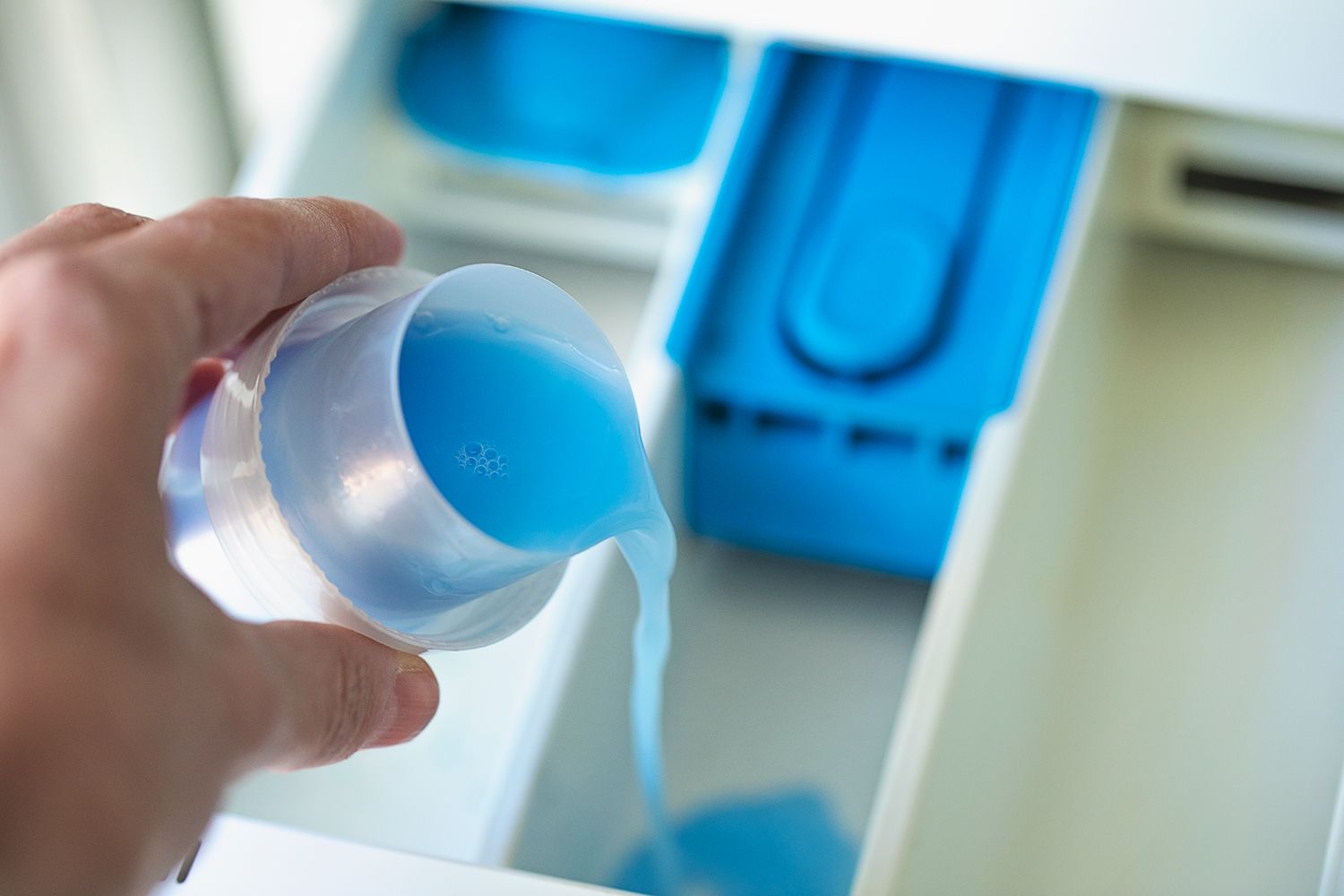
Experts break down the research behind viral claims linking dryer sheets and fabric softeners to cancer
Credit: getty
NEED TO KNOW
- Experts are addressing viral claims that fabric softeners and dryer sheets have a direct link to cancer
- Some studies have found that scented laundry products can emit chemicals classified as hazardous air pollutants, prompting calls for further research
- Experts say consumers shouldn’t panic, but those looking to reduce unnecessary chemical exposure may consider fragrance-free alternatives
Dryer sheets and fabric softeners have become the latest household products to spark concern online, with social media posts and headlines warning that the laundry staples may expose people to chemicals linked to cancer.
While some studies have raised questions about chemicals released by scented laundry products, oncologists tell PEOPLE that the evidence does not show that using dryer sheets directly causes cancer. Instead, the findings point to a more nuanced discussion about fragrance ingredients, chemical emissions and the need for further study.
"I think it is important to separate possibility from proof," says Dr. Amar Rewari, Chief of Radiation Oncology at Luminis Health and an Adjunct Assistant Professor at Johns Hopkins University.
"Some dryer sheets and fabric softeners contain fragrances and other chemicals that can release volatile organic compounds, or VOCs, into the air," he explains. "A few of these compounds have been identified as potentially harmful under certain exposure conditions. That has led some researchers to question whether long-term exposure to these products could have health effects."
A 2011 study found that dryer vents emitted more than 25 VOCs with fragranced laundry products. Acetaldehyde and benzene were among the emissions identified, which the study noted are classified as carcinogenic hazardous air pollutants by the U.S. Environmental Protection Agency. However, it did not examine whether those emissions cause cancer in humans and called for additional research into potential health effects.
"Overall, the question of the carcinogenic potential of the compounds used in dryer sheets and fabric softeners has limited data," Dr. Adeel Khan, an academic hematologist/oncologist and epidemiologist in Dallas, tells PEOPLE. "However, of the evidence that we do have, it seems safer to avoid unnecessary exposures."
Khan notes that many dryer sheets and fabric softeners derive their scents from blends of volatile organic compounds and semi-volatile organic compounds, including phthalates. While not all VOCs are equally hazardous, he says some compounds have raised concerns in previous research.
"For instance, benzyl acetate gives a floral scent and, in old animal studies, showed an association to tumors," Khan says. "And numerous phthalates can be endocrine disruptors… with possible ties to breast and ovarian cancer. Ethylene oxide has also been found in some fabric conditioners and is a known human carcinogen. The heat of a home dryer can vaporize some compounds, producing small amounts of acetaldehyde and benzene, compounds also deemed to be carcinogens, increasing the risk of blood cancers."
Researchers have also examined how fragranced products affect consumers more broadly. A 2016 survey of 1,136 U.S. adults found that 34.7% reported health problems, including migraine headaches and respiratory difficulties, when exposed to fragranced products. The study also found that 12.5% reported health issues from the scent of laundry products vented outdoors from dryers. Researchers concluded that fragranced products can trigger adverse health effects in some people and that reducing exposure may help improve air quality and health.
A review published through the National Library of Medicine found that scented products can contain compounds such as phthalates, aldehydes and parabens. The review noted that some research has suggested possible links between certain fragrance-related chemicals and health concerns, including cancer, though additional research is needed to better understand those relationships.
Both oncologists stress that current evidence falls short of proving that dryer sheets or fabric softeners increase cancer risk.
Never miss a story — sign up for PEOPLE's free daily newsletter to stay up-to-date on the best of what PEOPLE has to offer, from celebrity news to compelling human interest stories.
"From a cancer standpoint, we do not have strong evidence showing that typical household use of dryer sheets or fabric softeners directly causes cancer in humans," Rewari tells PEOPLE. "Most of the concern comes from laboratory studies looking at chemical emissions, not studies showing increased cancer rates among people who use these products."
"What is missing is convincing evidence that everyday use of these products leads to higher cancer rates in humans," Rewari says. "The biggest mistake I see is people becoming overly worried about a single household product while overlooking risk factors that we know have a much larger impact on cancer risk."
Instead, he advises consumers to focus on well-established ways to reduce cancer risk, including avoiding tobacco, maintaining a healthy weight, limiting alcohol, staying physically active and keeping up with recommended cancer screenings.
Read the full article here