

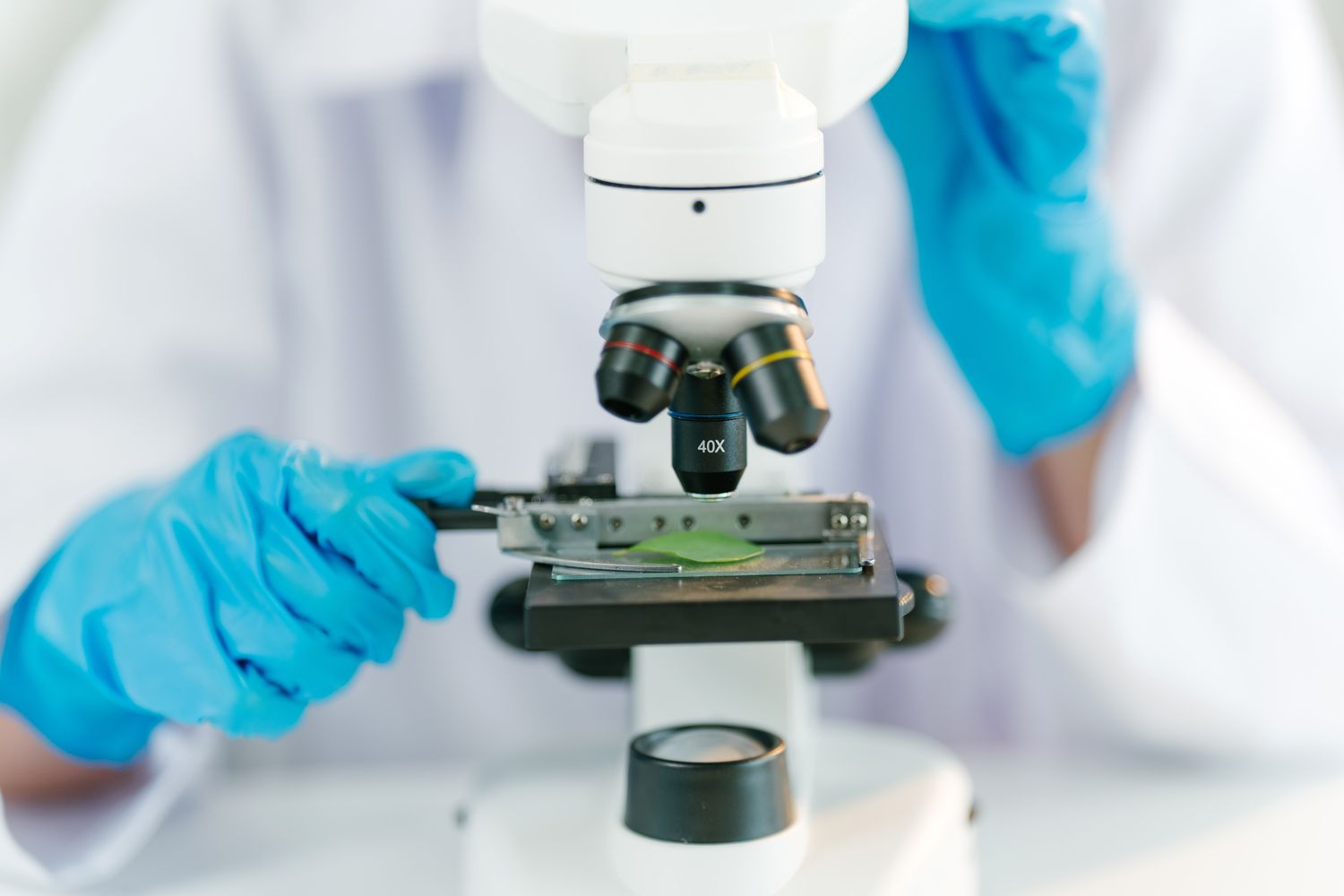
All students in the class identified a bacterium that could be “deadly in hours,” and two later developed symptoms of the disease
Credit: Getty
NEED TO KNOW
- College students identified a deadly pathogen instead of a harmless bacterium during a microbiology lab assignment
- The mix-up led to unnecessary medical interventions, including antibiotics and spinal taps for exposed individuals
- An investigation revealed poor inventory controls and prompted an overhaul of lab safety protocols and training
Utah science students, expecting to identify a harmless bacterium during a biology lesson, instead identified what appeared to be a deadly pathogen.
College students in a microbiology lab, outfitted with lab coats and gloves, were assigned to run tests to identify a specimen intended to be P. shigelloides, according to the U.S. Centers for Disease Control’s Morbidity and Mortality Report. The bacteria can cause diarrhea in humans, but only if ingested.
But instead of P. shigelloides, every single student in the class identified the specimen as Neisseria meningitidis after running tests. It’s a deadly pathogen that causes Meningococcal disease — more commonly called meningitis — and can become “deadly in hours,” the CDC says. Initial symptoms are a fever, headache, and stiff neck.

Credit: Getty
An examination of the stockroom freezer revealed a vial labeled “N. meningitidis,” and public health officials recommended that all 33 people who handled the samples begin a preventive course of antibiotics, as they had only been equipped with gloves and lab coats. Only one person declined the medication.
Handling Neisseria meningitidis requires not a college lab, but a level 2 biosafety cabinet, which has special ventilation — and those coming into contact with it must wear personal protective equipment.
Following the exposure, two people — a student and someone who lived with an exposed employee — developed headaches, which are a symptom of Meningococcal disease. They sought medical care, which included lumbar punctures.
Also called a spinal tap, a lumbar puncture involves using a syringe to withdraw a sample of cerebrospinal fluid from the lower back, per Mayo Clinic. The procedure, although safe, can be painful.
Neither was diagnosed with N. meningitidis infection. No other persons experienced symptoms.
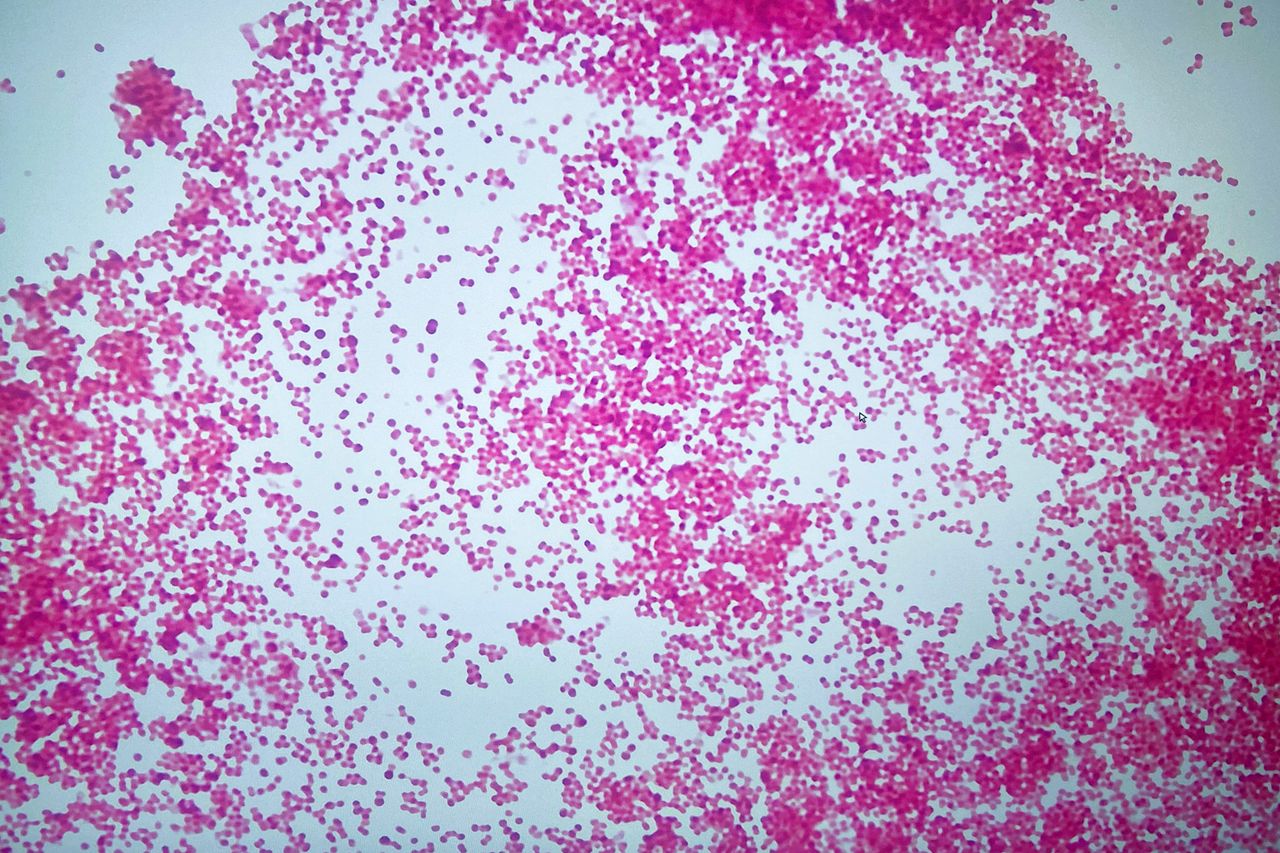
That’s because the bacteria was never Neisseria meningitidis. Further testing determined that the bacteria actually was Neisseria sicca. It’s not harmful in those with a healthy immune system, the CDC says. In this case, the bacterium was an “atypical carbohydrate fermenter” — meaning, it didn’t process sugar in the expected way — which led to the misidentification.
Credit: Getty
Take PEOPLE with you! Subscribe to PEOPLE magazine to get the latest details on celebrity news, exclusive royal updates, how-it-happened true crime stories and more — right to your mailbox.
The university, along with the Utah Department of Health and Human Services, conducted an investigation and “found inadequate inventory controls for identifying, labeling, storing and segregating biological materials according to handling practices and containment conditions. Additional practice gaps included limited stockroom employee supervision, inadequate availability and use of personal protective equipment, as well as insufficient documentation of sample inventory, disposition and chain of custody.”
The findings prompted an “overhaul of stockroom documentation, supervision and training protocols,” as those who were thought to be exposed to a deadly bacterium experienced “unnecessary interventions, including invasive procedures and antibiotic [postexposure treatment].”
Read the full article here