

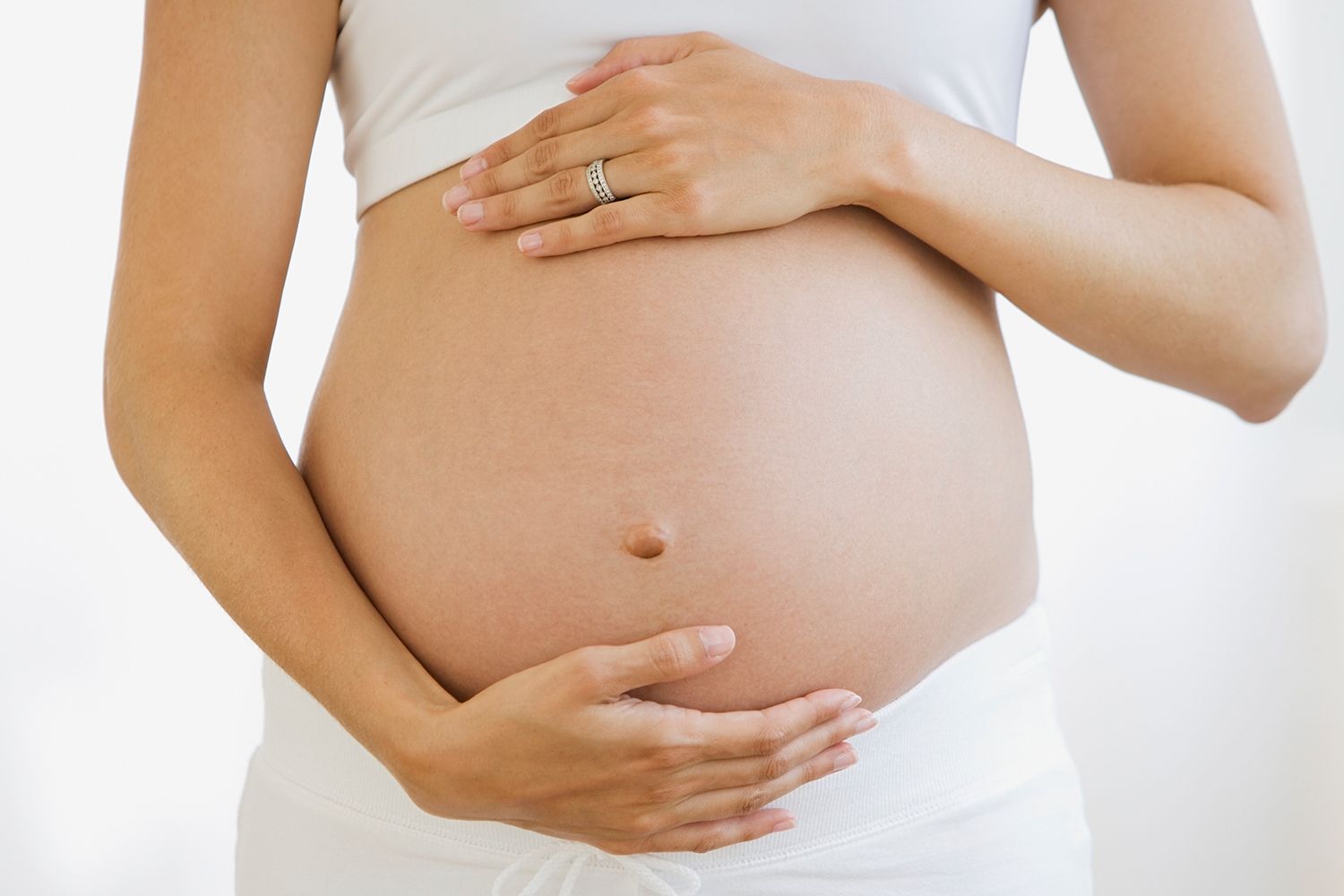
Some women are choosing to give birth without medical care, but experts say it leads to serious risks for mother and baby
Credit: Getty
NEED TO KNOW
- Freebirth refers to delivering a baby without the help of a doctor, nurse, or midwife
- The practice is being touted on social media by women who mistrust the medical community
- Experts warn that a lack of medical intervention could cost the life of mother or baby
A fringe childbirth trend is causing concern among medical experts.
Freebirth, which refers to delivering a baby without a doctor, nurse, or midwife present, is being touted on social media as an alternative to a clinical delivery experience. But experts warn that it can leave both mother and baby at risk of serious complications, including death.
"If you don't know anything about what's going on with the baby in utero, and then the baby is born and needs help, the baby's not able to get that help," Dr. Dawnette Lewis, Director of Northwell Health's Center for Maternal Health, tells PEOPLE.
Freebirthing is based on the idea that women's bodies innately know how to carry and deliver babies. Proponents point to how women have been giving birth since the beginning of time without modern medicine.
But, before medical interventions, Lewis says, "Women were dying because there were complications that they couldn't handle on their own."
Freebirth differs from a home birth, which occurs at a private residence rather than a hospital or birthing center, usually with a certified midwife present. While there are no available statistics on how many women are choosing freebirth, research shows that home births have tripled between 2004 and 2024.
In online communities, women talk about choosing home births and free births to avoid medical intervention. Some of them express a distrust in the medical system.
Lewis acknowledges this problem. "We have to do a lot in terms of regaining the trust of patients," she says. One in five women reported mistreatment from a medical professional when pregnant, according to a 2023 report from the U.S. Centers for Disease Control. At the same time, pregnancy-related deaths in the U.S. increased more than 27% between 2018 and 2022. Black women die at a rate three times higher rate than white women during pregnancy, according to data from the CDC.
Credit: Getty
Dr. Lewis says that patients need to "be included as part of the conversation," in terms of what's important to them when it comes to labor and delivery. "We as doctors are trying to figure out how we can regain the trust of patients so that they're not putting themselves intentionally in danger."
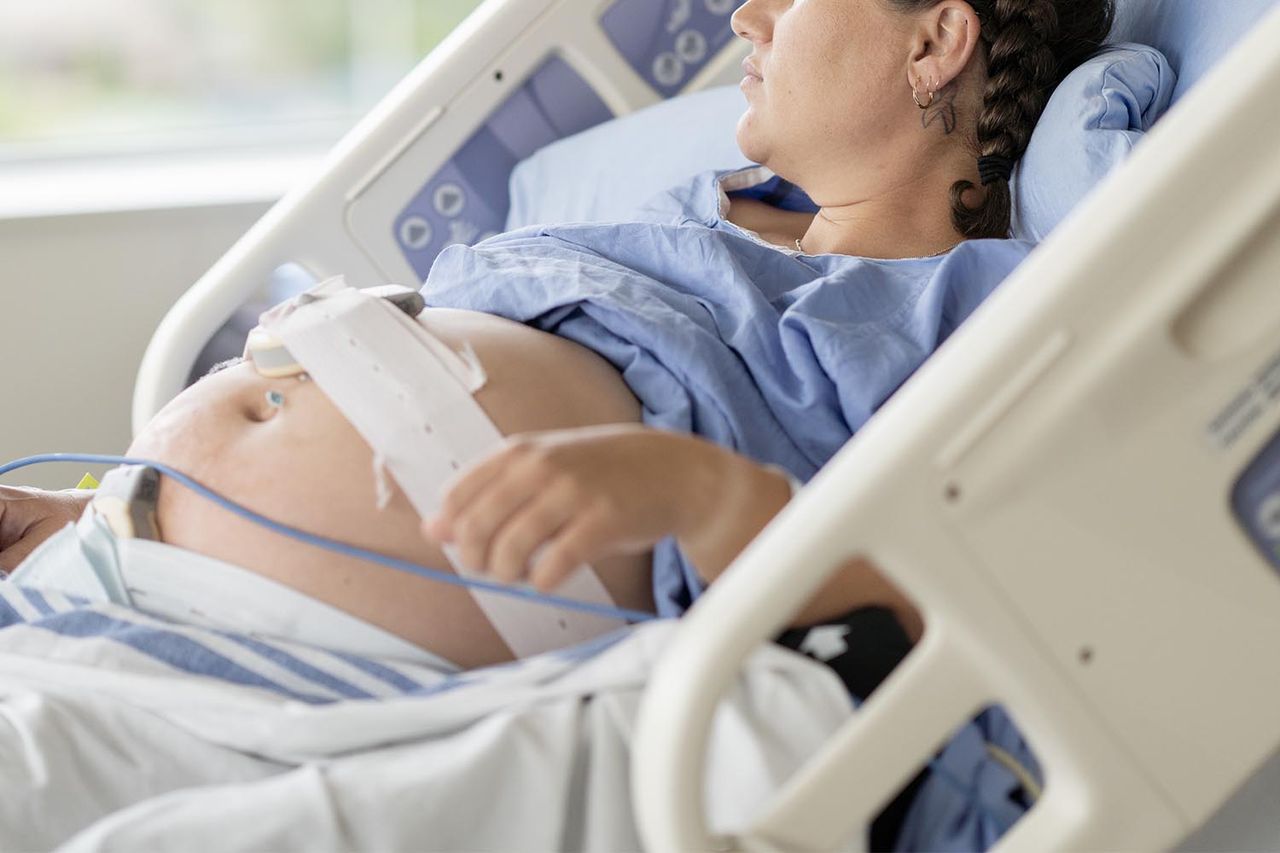
For example, in the case of a complication or anomaly during labor, if medical professionals are present, they are able to properly diagnose it, allowing for "immediate treatment after delivery," Lewis says. "That can improve outcomes and survival for those babies." Without that assistance, mother or baby could die.
Women who choose freebirth sometimes take it a step further with what's called a "wild pregnancy." This refers to foregoing traditional prenatal appointments, screenings, and other medical care throughout the entire pregnancy.
Wild pregnancy — which was a storyline on the season 2 finale of the medical drama The Pitt — is even more dangerous, according to Lewis. Standard prenatal tests can identify countless problems with mother or baby that present without symptoms. Ultrasounds can show irregular growth. Protein in urine could indicate preeclampsia or renal disease. Sugar in urine could be gestational diabetes. If the mom is RH negative, she'll need a shot of RhoGAM to prevent potential complications in another pregnancy. Doctors also screen for Group B strep, which can pass from mom to baby in the birth canal and lead to serious infection in the newborn.
Credit: Getty
Never miss a story — sign up for PEOPLE's free daily newsletter to stay up-to-date on the best of what PEOPLE has to offer, from celebrity news to compelling human interest stories.
And even the healthiest, most uneventful pregnancy can go awry during birth. "Maybe the placenta wasn't intact when it was delivered. Maybe the uterus is not contracting effectively and they're continuing to bleed. Maybe there's a tear or a laceration — whether that's on the cervix, the vagina, or in the perineum — that needs attention," Dr. Lewis says.
While she agrees that "our bodies are built for this," she says the presence of a medical professional can mean the difference between life and death during delivery. "Our role is to, yes, help patients have the birth that they want, but when certain complications arise, then that plan has to change."
She urges women to talk to their doctor about how to achieve the best outcome. "We want to have a healthy mom and a healthy baby at the end of this," she says. "That's always our goal."
Read the full article here