

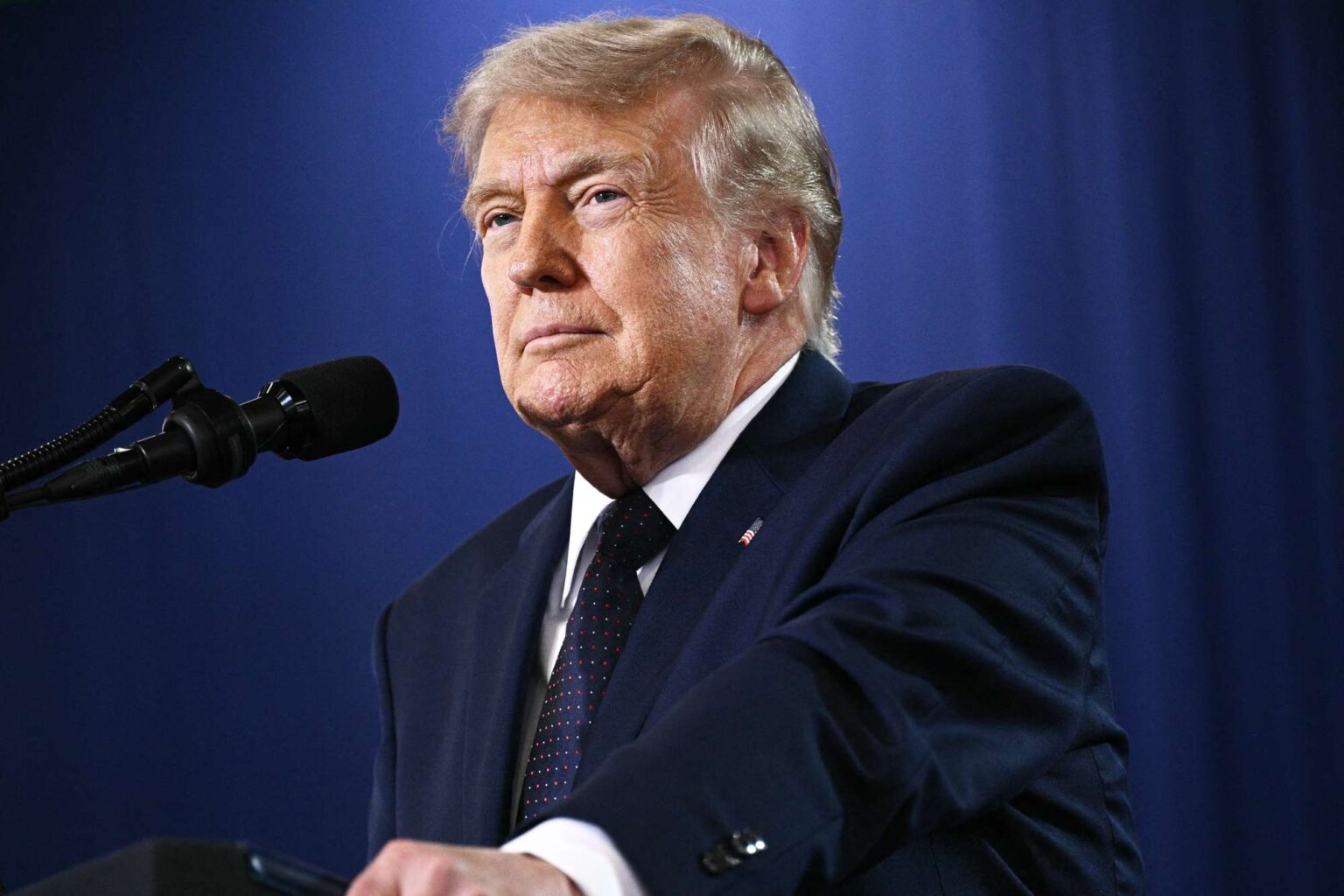
Disease experts from top U.S. federal agencies need permission before communicating with the World Health Organization, CNN reports
Credit: Brendan SMIALOWSKI / AFP via Getty
NEED TO KNOW
- U.S. disease experts now need senior staff approval to communicate with the World Health Organization
- The U.S. withdrew from WHO in 2025 and reduced funding for global health initiatives like USAID
- Key health agencies, including the CDC and NIAID, currently lack permanent leadership positions
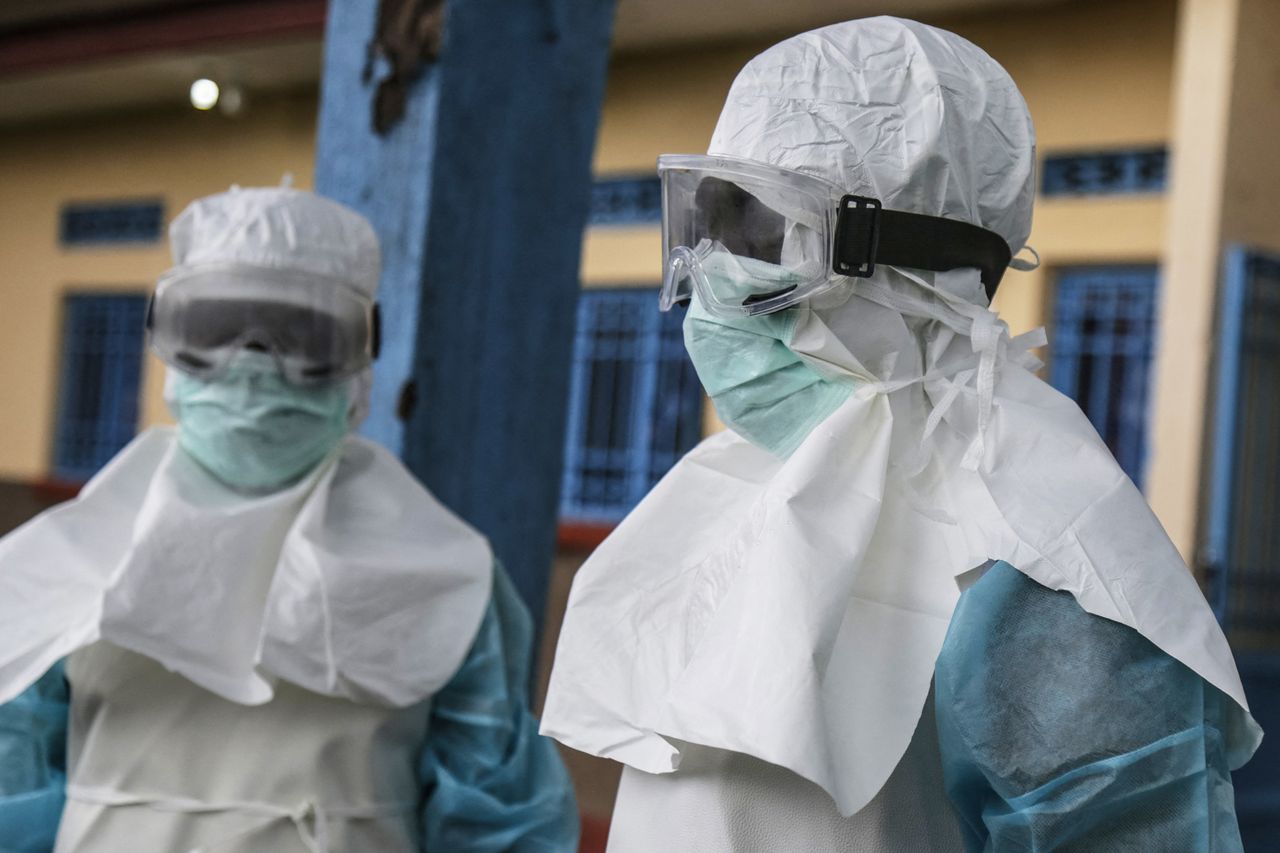
The Trump administration has banned top federal health agency experts from weighing in on the ongoing Ebola outbreak, as the U.S. continues to step back from its former leadership role in global health issues.
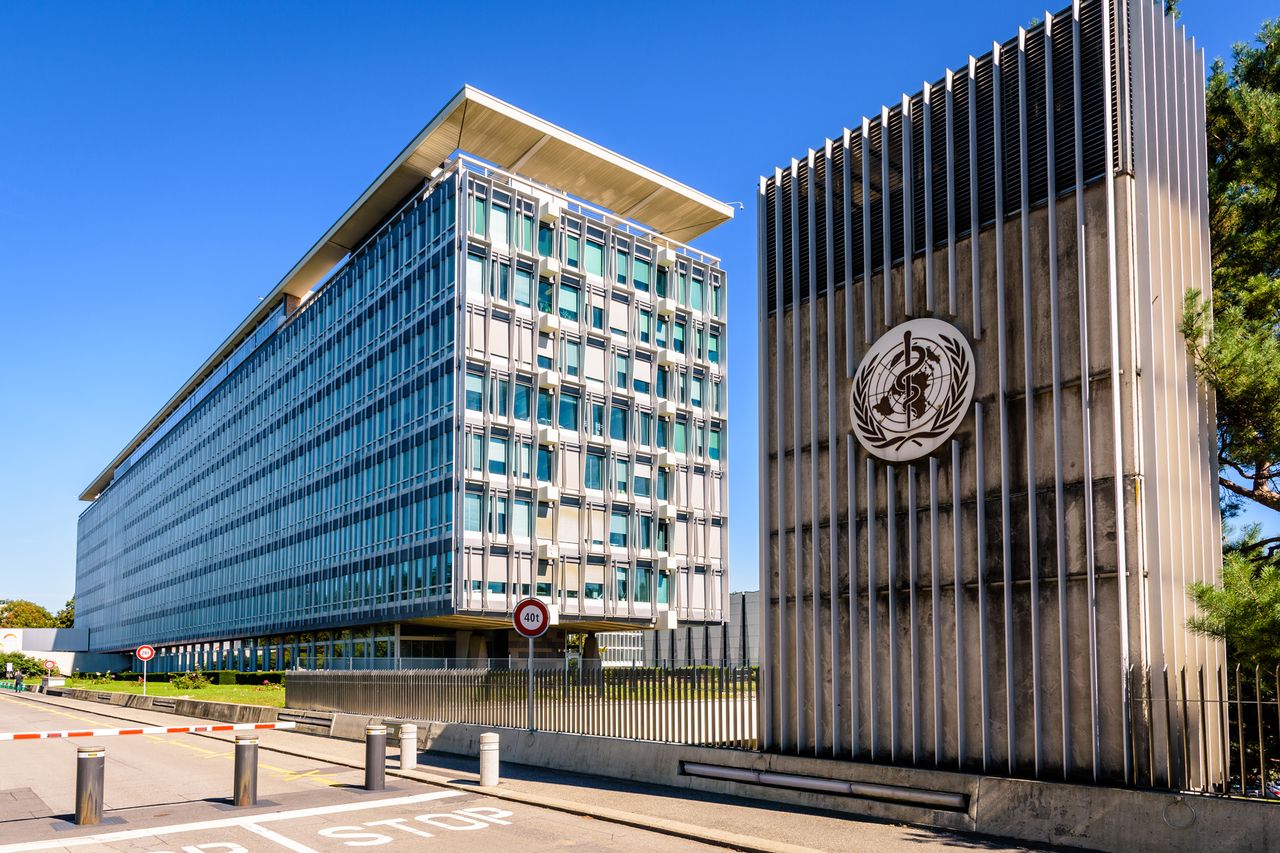
Experts from the National Institute of Allergy and Infectious Diseases (NIAID) are forbidden from communicating directly with the World Health Organization, the global coalition of 194 members that addresses health issues on a global scale, according to a report from rom CNN, which says that now, NIAID experts require permission from senior staff to communicate with WHO officials.
The ban was initially enacted during the hantavirus outbreak, the outlet reports.
Then, following the fatal outbreak in the Democratic Republic of Congo, limited numbers of U.S. experts were given permission to attend WHO meetings only in a "listening capacity," according to a May 18 email obtained by the news agency.
Credit: Getty
“We'll be operating in the same manner for Ebola as we have been doing for Hantavirus, assembling a small groups of experts — no more than three — to participate,” the email said, per CNN. “Should we have legitimate research questions or countermeasure testing ideas, we can bring those up through the proper chain of command.”
Following CNN's report, the number of experts allowed to attend WHO meetings has been increased to 30.
It's part of the U.S.'s deliberate retreat from its previous leadership position on global issues: On Jan. 20, 2025, his first day in office — President Donald Trump signed an executive order that withdrew the United States from WHO. Trump also slashed funding for the humanitarian group USAID. The Democratic Republic of Congo — the epicenter of this current outbreak — had been the second-largest recipient of USAID funding, per The Guardian. That outlet also reports that a National Institutes of Health (NIH) lab in Frederick, Md., that was focused on Ebola research, was shuttered.
There are also currently several major government agencies overseeing health and public safety that do not have a permanent director, and at least two crucial positions are vacant. NIAID, the Food and Drug Administration, and the Centers for Disease Control does not have permanent leaders.
Credit: Seros MUYISA / AFP via Getty
Never miss a story — sign up for PEOPLE's free daily newsletter to stay up-to-date on the best of what PEOPLE has to offer, from celebrity news to compelling human interest stories.
The U.S. also does not have a permanent Surgeon General or Deputy Health Secretary.
Matthew Kavanagh, director of the Center for Global Health Policy and Politics at Georgetown University, told The Guardian that, thanks to the U.S.'s intervention in years past, “many, many potential global outbreaks didn't become global.”
But now, that's all changed with the U.S.'s deliberately reduced role: “This outbreak should have been detected weeks ago, and exactly how and why will be figured out as we go, but it certainly says that the United States has stopped playing the role.”
PEOPLE has reached out to the National Institute of Health for more information.
Read the full article here