

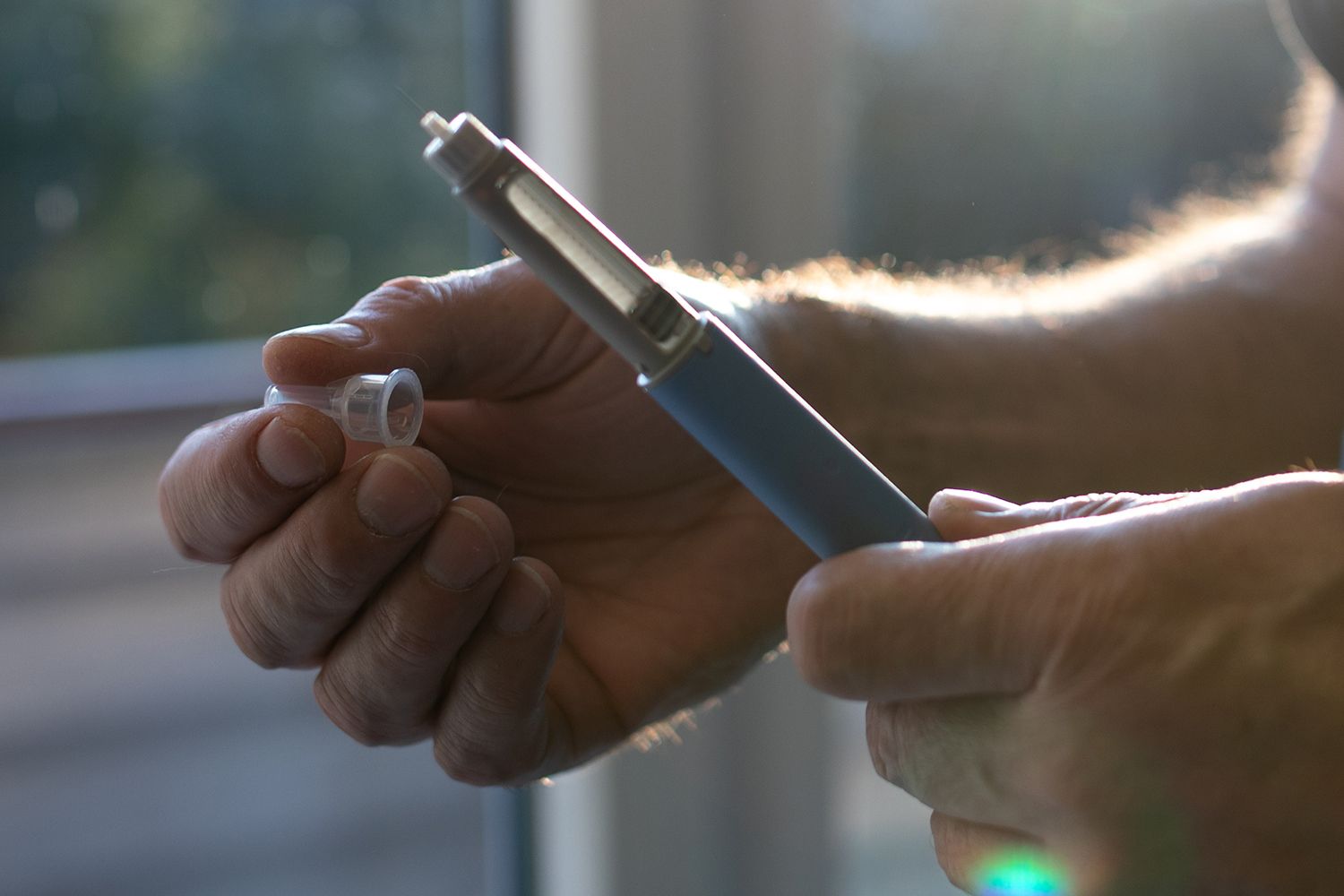
New research found that men taking GLP-1 medications showed better testosterone levels, sperm count, and size and shape of sperm
Credit: Getty Stock Images
NEED TO KNOW
- GLP-1 medications could help male patients improve their testosterone levels and their fertility, a new study has found
- The research found that men ages 18-65 who participated in the study showed better testosterone levels, sperm count, and size and shape of sperm
- Studies have shown that male infertility affects about 10% to 15% of males in the U.S. who are trying to conceive
GLP-1 medications could help male patients improve their testosterone levels and their fertility, new research has found.
Researchers at the annual Endocrine Society meeting in Chicago, Ill., presented new data that suggests these weight-loss drugs may increase testosterone levels and help to improve the quality of sperm in men who have obesity.
Although the research is still in its early stages and more data and trials are needed to confirm the results of the study, co-author Dr. Pratibha Natesh, an endocrinologist at the Warwick Medical School in the U.K., told CNN that men who participated showed better testosterone levels, sperm count, and size and shape of sperm.
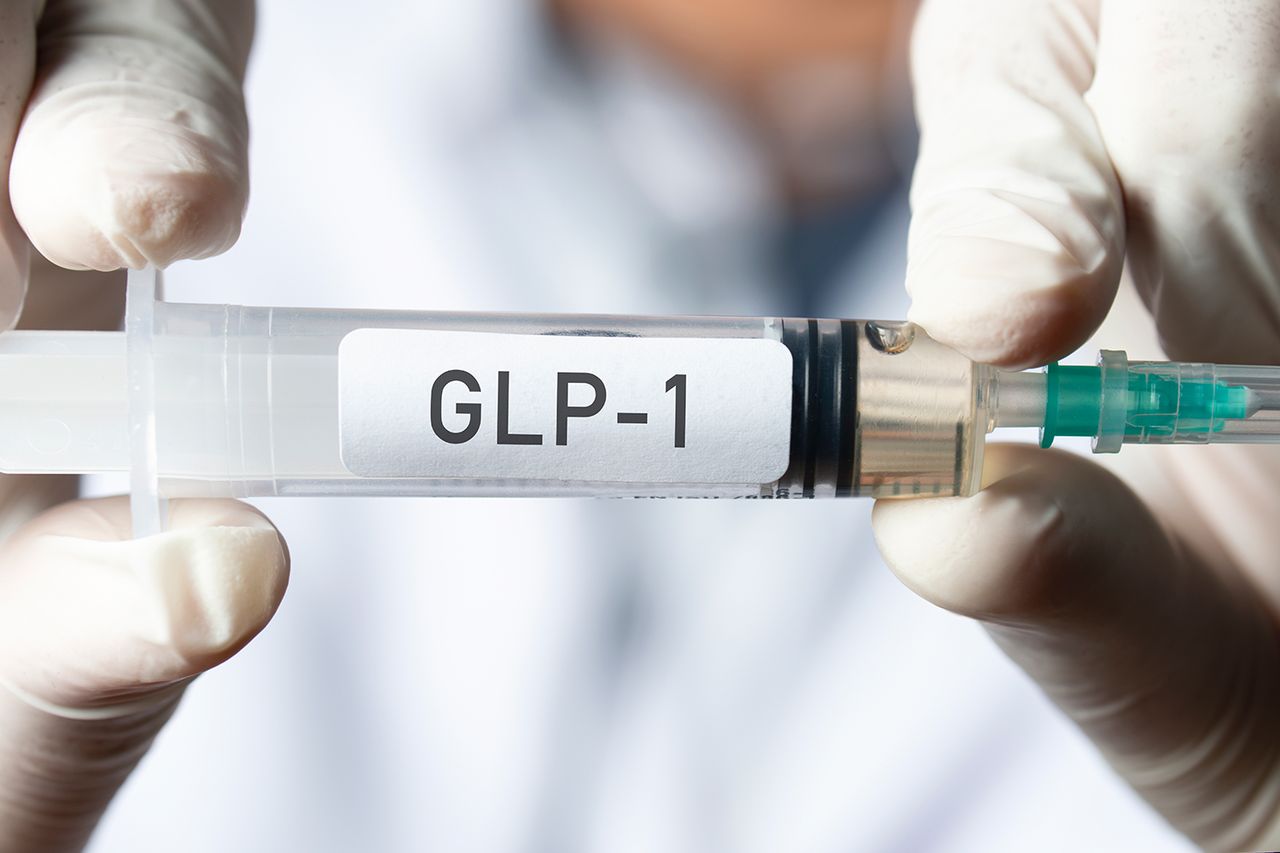
Credit: Getty Stock Images
The results of the study — which tracked men ages 18 to 65 who were prescribed GLP-1s over the course of 24 weeks of treatment — showed that these medications could also potentially reduce inflammation and metabolic stress, which can limit sperm production, Natesh told the outlet.
Weight loss isn't necessarily helpful to fertility — as Dr. Amin Herati, director of male infertility and men’s health at Johns Hopkins Hospital, told CNN, sudden weight changes from sources such as bariatric surgery or GLP-1s can potentially limit fertility (Herati was not involved in the research).
However, the study's results show that men could have an alternative to fertility treatments like testosterone replacement therapy, which can suppress sperm production, according to Natesh.
Dr. Lidia Mínguez Alarcón, an assistant professor of medicine at Brigham and Women’s Hospital and Harvard Medical School in Massachusetts who was not involved in the study, also told CNN that while more research needs to be conducted on the relationship between GLP-1 medications and male fertility, the results were promising — considering good semen quality and healthy testosterone level have previously been linked to better health outcomes in men.
Never miss a story — sign up for PEOPLE's free daily newsletter to stay up-to-date on the best of what PEOPLE has to offer, from celebrity news to compelling human interest stories.
Male infertility — defined as a condition that interferes with a man's reproductive system and their ability to impregnate someone — impacts about 186 million people worldwide, according to the Cleveland Clinic,
Some studies have shown that male infertility affects about 10% to 15% of males in the U.S. who are trying to conceive, per the clinic, and the male partner is the cause of a couple's inability to conceive about half of the time.
Research has found that there are a number of ways that people can improve their reproductive health. In addition to working with doctors, it's recommended for those trying to conceive to avoid ultraprocessed food, get regular exercise, limit sedentary habits, avoid wet heat such as hot tubs or showers multiple times per day or reducing exposure to toxic chemicals, Herati told CNN.
Read the full article here