

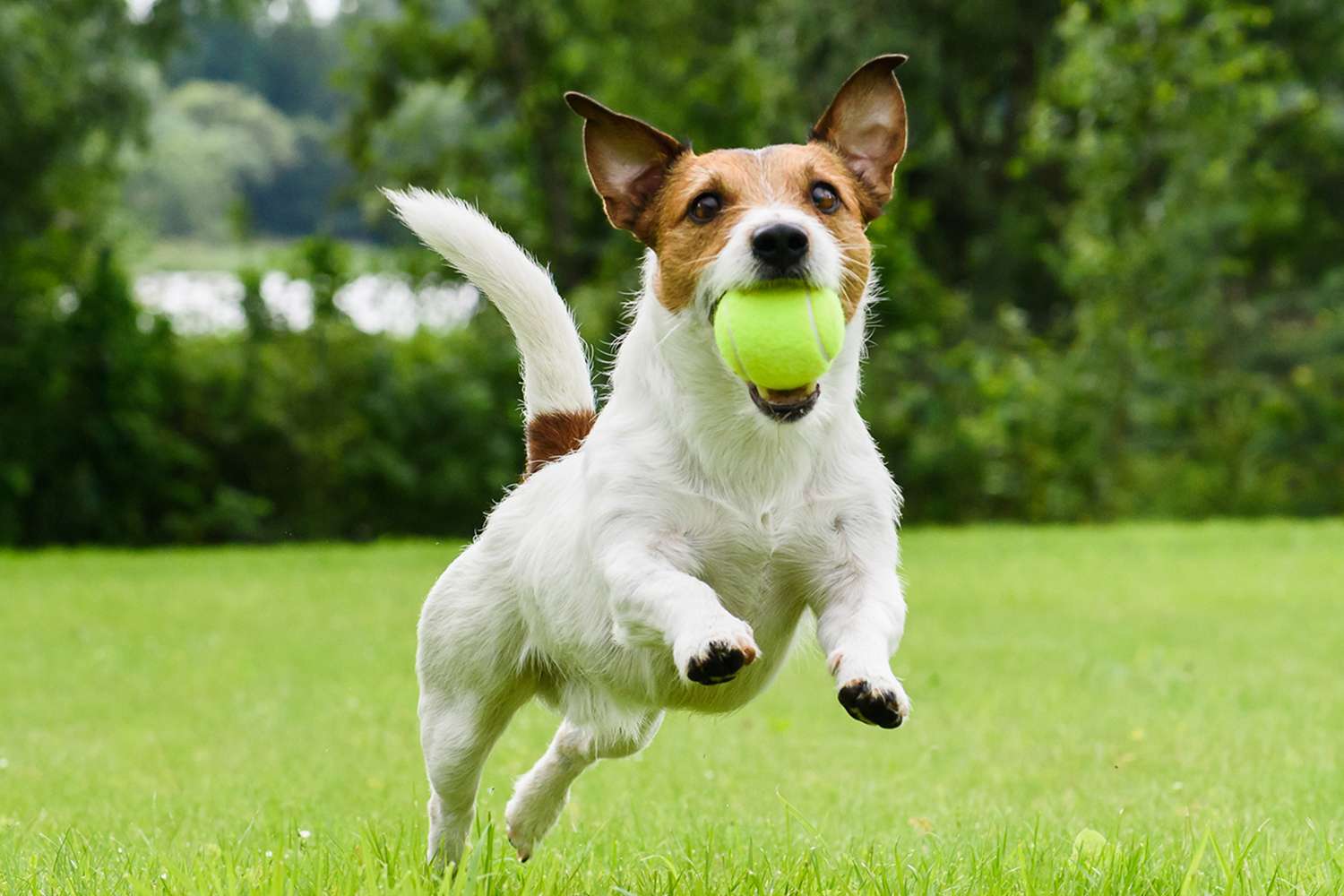
According to the research, dogs who love their toys the most prioritize playing with them over eating food, resting and interacting with their owners
Credit: Getty
NEED TO KNOW
-
Some dogs love their favorite toys so much that they prioritize playing with them over food, rest and interaction with their owners, according to new research
-
The owners of nearly 1,700 dogs took part in the study, and were asked to score their pets based on how strongly they agreed with statements including, “My dog is a ball junkie”
-
Shepherds, terriers, and retriever breeds were most likely to show addiction-like behaviors toward their favorite toys, including distress when they’re taken away
It’s no secret that dogs love playing with their favorite toys, but for some pups, their love might be something more akin to addiction.
A study has found that some dogs are obsessed with their favorite toys to the point where they can ignore food, rest and even their owners to focus on playing.
According to the research, published in the Royal Society Open Science journal, these dogs, sometimes dubbed “ball junkies,” showed signs of distress not entirely unlike humans going through withdrawal.
The owners of nearly 1,700 dogs in 33 countries scored their pets based on how strongly they agreed with statements such as “My dog is a ball junkie,” and, “When my dog is prevented from playing, he or she becomes stressed and agitated.”

Credit: Getty
The questions aimed to measure the canine equivalents of some of the main signs of addiction, from increased tolerance of the reward to distress when access to the reward is taken away.
In the dogs who scored highest, their favorite toys could trigger seemingly addictive behaviors, including persistent focus, high arousal and difficulty disengaging from the toy, even when it’s no longer there.
Some of the animals kept focus on their toy even over eating food or interacting with their owners, with dogs from breed groups used for sport or work most often displaying these behaviors.
Shepherd dogs scored most highly, followed by terriers and retrievers.
However, the researchers stress that these behaviors do not mean that dogs have “human-like” addictions. Rather, the concept is used to describe patterns of behavior that share similarities with human behavioral addictions.
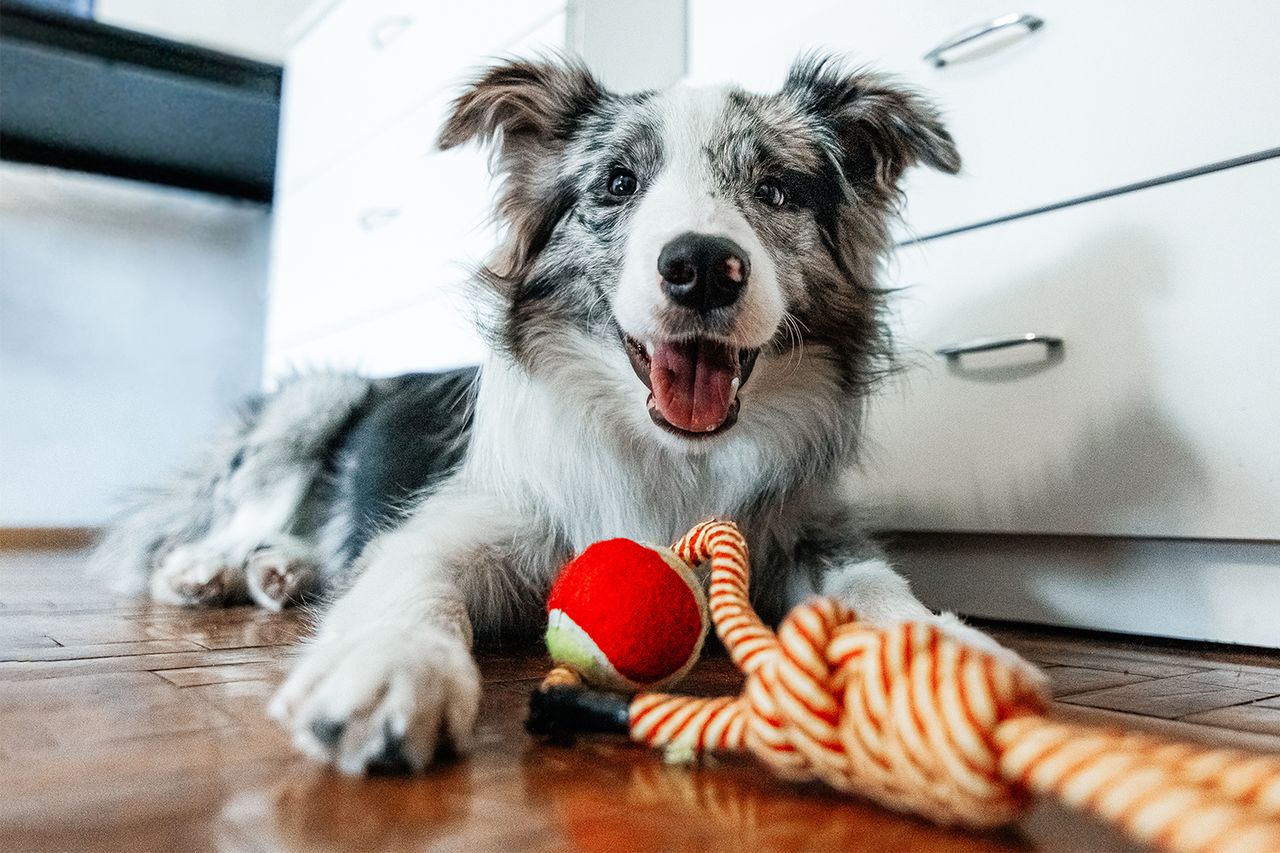
Credit: Getty
The new study follows previous research that the authors, Alja Mazzini and Stefanie Riemer, also worked on.
In the previous study, published in Scientific Reports, researchers tested 105 dogs already known for their strong play motivation and found that 33 of them showed behavior that matched addiction-like behaviors.
Never miss a story — sign up for PEOPLE’s free daily newsletter to stay up-to-date on the best of what PEOPLE has to offer, from celebrity news to compelling human interest stories.
The second study allowed researchers to build on this work in a much larger sample of dogs, as they asked owners themselves how their dogs would respond to their favorite toys in day-to-day life.
PEOPLE reached out to Mazzini and Riemer for comment but did not immediately hear back.
Read the full article here