
Experts slam the "completely bogus" treatment while the FDA warns of harmful side effects
Credit: Getty
NEED TO KNOW
- Clinics in multiple states are offering unapproved stem cell treatments for autism, costing families up to $20K per session
- The FDA warns these treatments are unproven and potentially harmful to patients
- Families, desperate for help, are paying despite risks after U.S. Health and Human Services Secretary Robert F. Kennedy Jr. endorsed the treatment
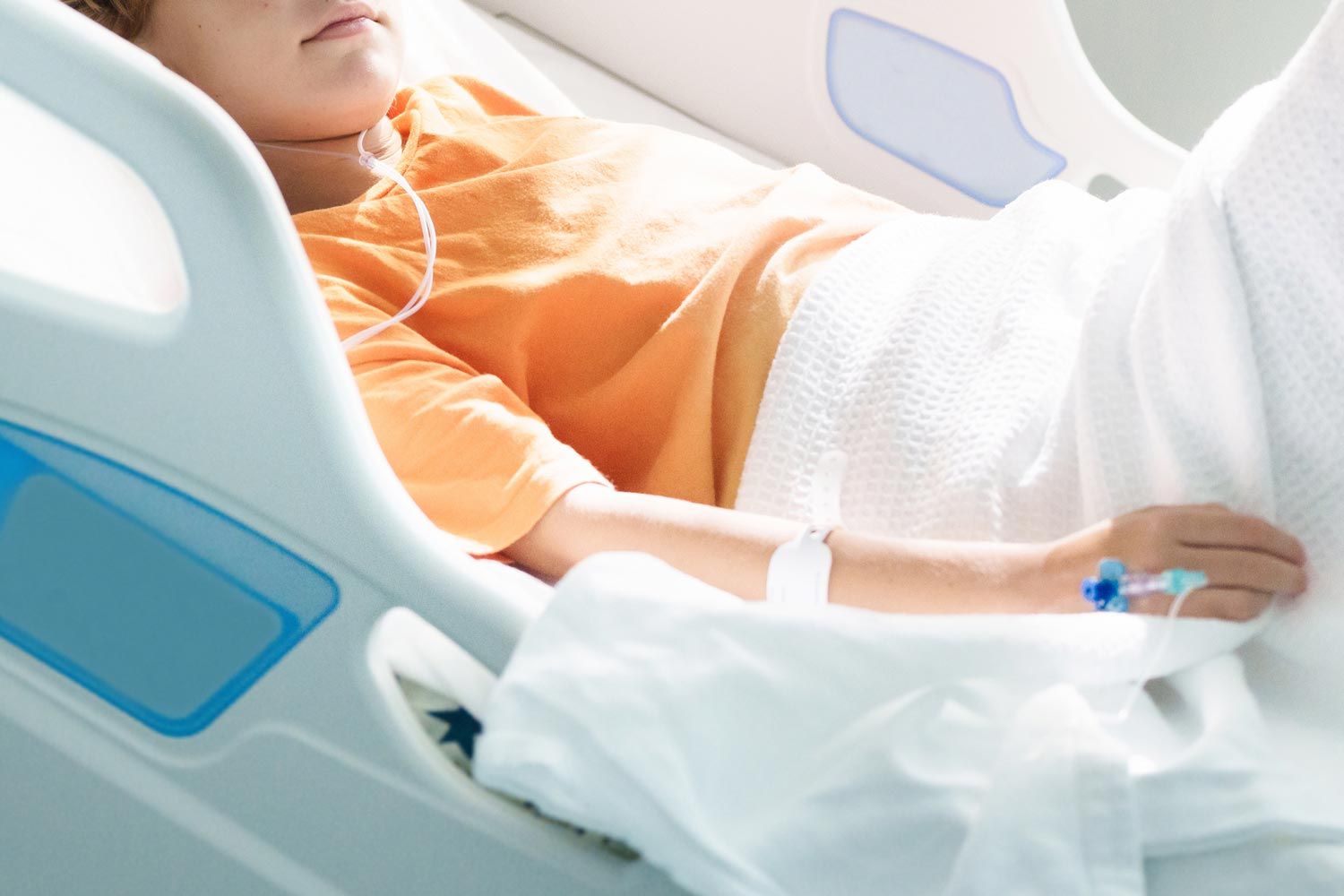
Children nationwide — some as young as 18 months old — have reportedly been injected with stem cells derived from umbilical cords in an unauthorized attempt to treat autism.
According to a new report by the Guardian, clinics in Florida, Texas other states other states have been selling “regenerative medicine” to families with children with autism, following misinformed guidance endorsed by U.S. Health and Human Services Secretary Robert F. Kennedy Jr.
The procedure, which reportedly costs up to $20K per treatment, involves the child being sedated with ketamine before receiving intravenous doses of millions of stem cells. The practice has not been approved by the U.S. Food and Drug Administration (FDA). The agency has warned that there is no scientific evidence to support it and that any unauthorized treatment can be potentially harmful.
One Florida woman, Christy Holdren, told the outlet that she sought treatment for her 8-year-old son Landyn, who has autism and is nonverbal. She explained that when he's distressed, he can self-harm by slapping his chest, face or head.
In October 2025, Holdren said she paid a clinic $12,500 for the unapproved stem cell treatment. She said she knows there is no “cure” for autism, but she's determined to help her son in any way she can.

Credit: Liudmila Chernetska/Getty
Sign up for From the Editor, our free weekly newsletter from PEOPLE's Editor-in-Chief, Charlotte Triggs.
“He actually looks at us and not through us, and that's huge for us,” she said of the small improvements she claims her son has shown after the treatment. “We can cut his hair without him freaking out. That may sound little, but when you have to wrangle an alligator to clip his nails, that's big things.”
However, seven months after the injections, Holdren said Landyn's aggressive behavior has worsened. So, she is now reportedly planning to spend $15,000 on a second stem cell dose later this month.
Arnold Kriegstein — a professor of neurology at the University of California San Francisco who led its stem cell research for almost two decades — told the Guardian that there are a number of families like Holdren's. He stressed the growing concern about the spread of expensive and medically unproven interventions.
“I'm appalled that this is being allowed to go on in the U.S., and that so many desperate people are being taken advantage of with a ‘treatment' that in my view is completely bogus,” he said.
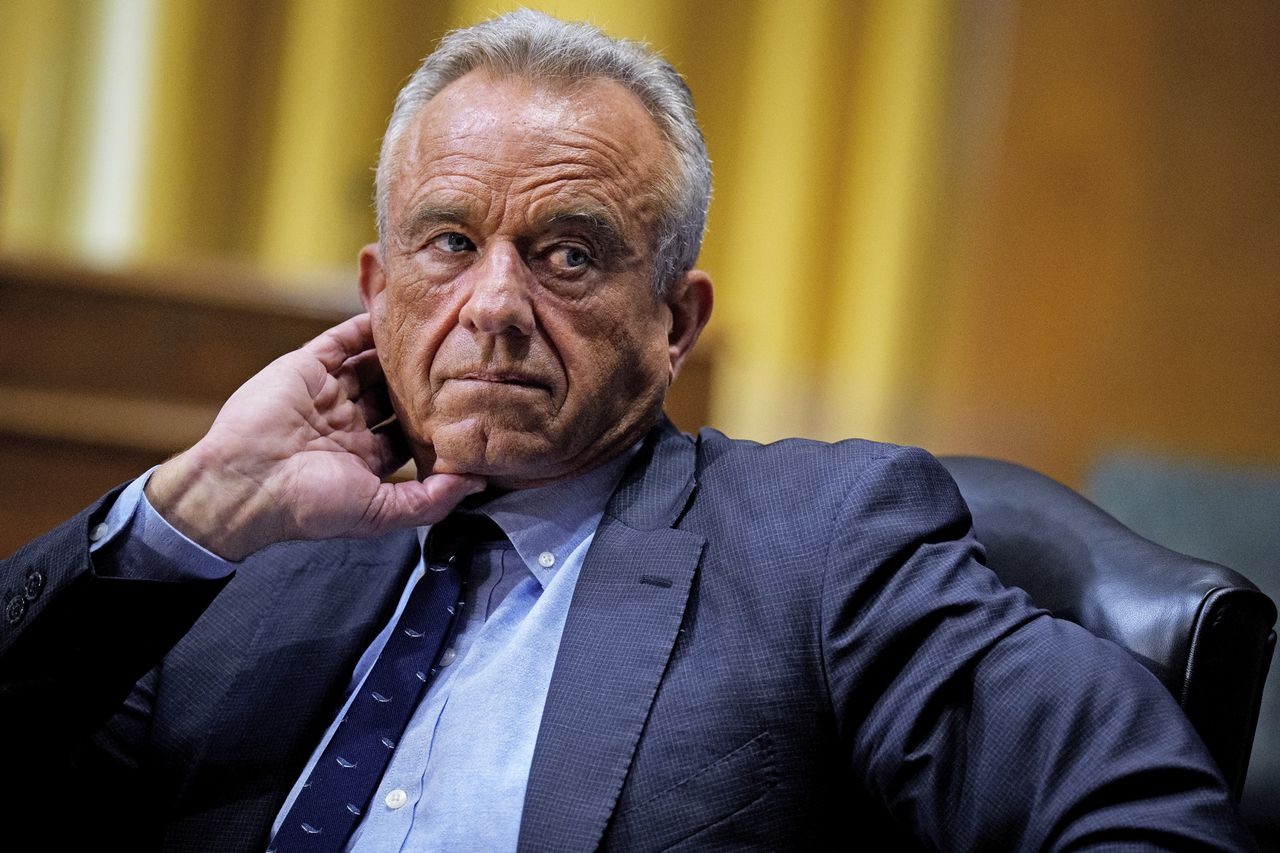
Going against scientific evidence, Kennedy has regularly advocated for public access to experimental stem cell treatments, including those derived from umbilical cords, to treat a number of medical conditions.
Credit: Andrew Harnik/Getty
In October 2024, Kennedy publicly criticized the FDA's “war on public health” through its “aggressive suppression of… stem cells.” He stated at his senate confirmation hearing that he “will protect stem cell research.” In June 2025, during a panel at FDA meeting, he also voiced full support for the researchers working on stem cell and gene therapies.
“We're going to do everything in our power to sweep away the barriers from you getting those solutions to market and getting them funded, and do everything that we can to support you all,” he said, The New York Times reports.
Additionally, during a podcast appearance in May 2025, Kennedy vowed to end the FDA's “war” against alternative medicine and stem cells, and claimed that stem cell therapy "helped me enormously" during a past trip to Antigua. He said the FDA shouldn't be telling physicians what they can and cannot prescribe.
“If you want to take an experimental drug — you can do that, you ought to be able to do that,” he said at the time.
“And of course you're going to get a lot of charlatans, and you're going to get people who have bad results,” he added. “But ultimately, you can't prevent that either way. And leaving the whole thing in the hands of pharma is not working for us.”
Despite Kennedy's claims, part of the FDA's role involves preventing “bad results” with experimental drugs. The federal agency is responsible for protecting the public health by “ensuring the safety, efficacy, and security” of drugs and medical products.
The FDA currently permits stem cell therapies to treat blood and immune disorders. Due to loose regulations in the past, nearly a decade ago the agency took legal action to shut down clinics that offered unauthorized treatments for a wide range of medical conditions from autism and Alzheimer's disease to erectile dysfunction.
However, there are still clinics across the country that offer them.
Credit: Getty
Never miss a story — sign up for PEOPLE's free daily newsletter to stay up-to-date on the best of what PEOPLE has to offer, from celebrity news to compelling human interest stories.
The FDA has issued multiple alerts over the years regarding the misinformation about regenerative medicine, including stem cell products. The agency said that unapproved therapies can be harmful and put patients at risk.
“FDA has received reports of blindness, tumor formation, infections, and more due to the use of these unapproved products. Please know that if you are being charged for these products or offered these products outside of a clinical trial, you are likely being deceived and offered a product illegally,” the agency said. “Regenerative medicine therapies have not been approved to treat autism, macular degeneration, blindness, chronic pain, or fatigue.”
Unfortunately, some experts have pointed out an alarming trend that, under Kennedy, the FDA has started to decline in enforcement of its regulations.
“We haven't seen the FDA taking action in the last 18 months,” Paul Knoepfler, a stem cell biologist at the UC Davis School of Medicine, told the Guardian. “I think we're going to see big change coming from the FDA very soon, backing off oversight of birth-related stem cells.”
Read the full article here