

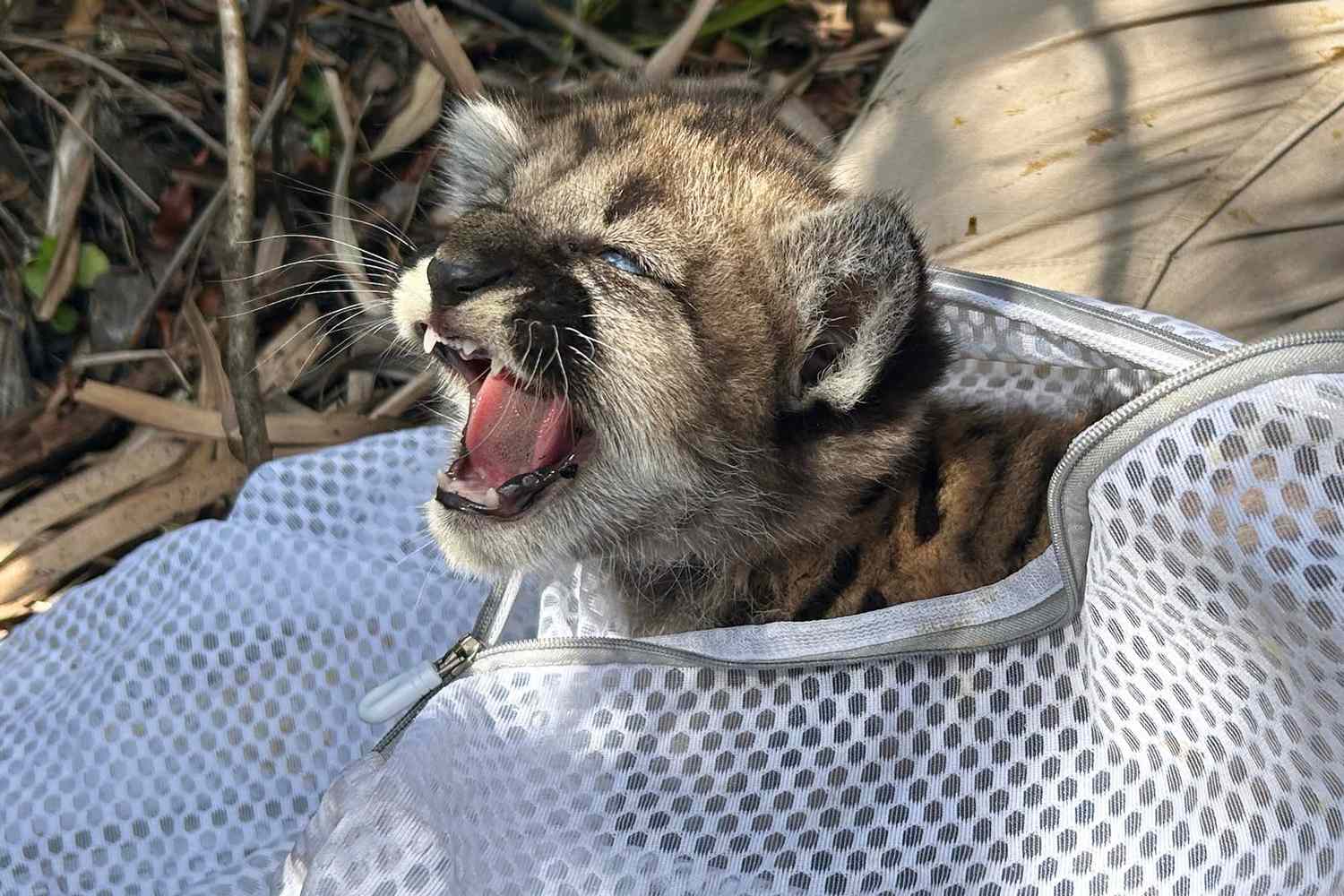
The cub, named K528, is receiving medical care at the Naples Zoo after being discovered with a high parasite load
Credit: FWC Fish and Wildlife Research Institute/Facebook
NEED TO KNOW
- Florida officials rescued a 2-month-old Florida panther cub who was found underweight and full of parasites after being abandoned by her mother
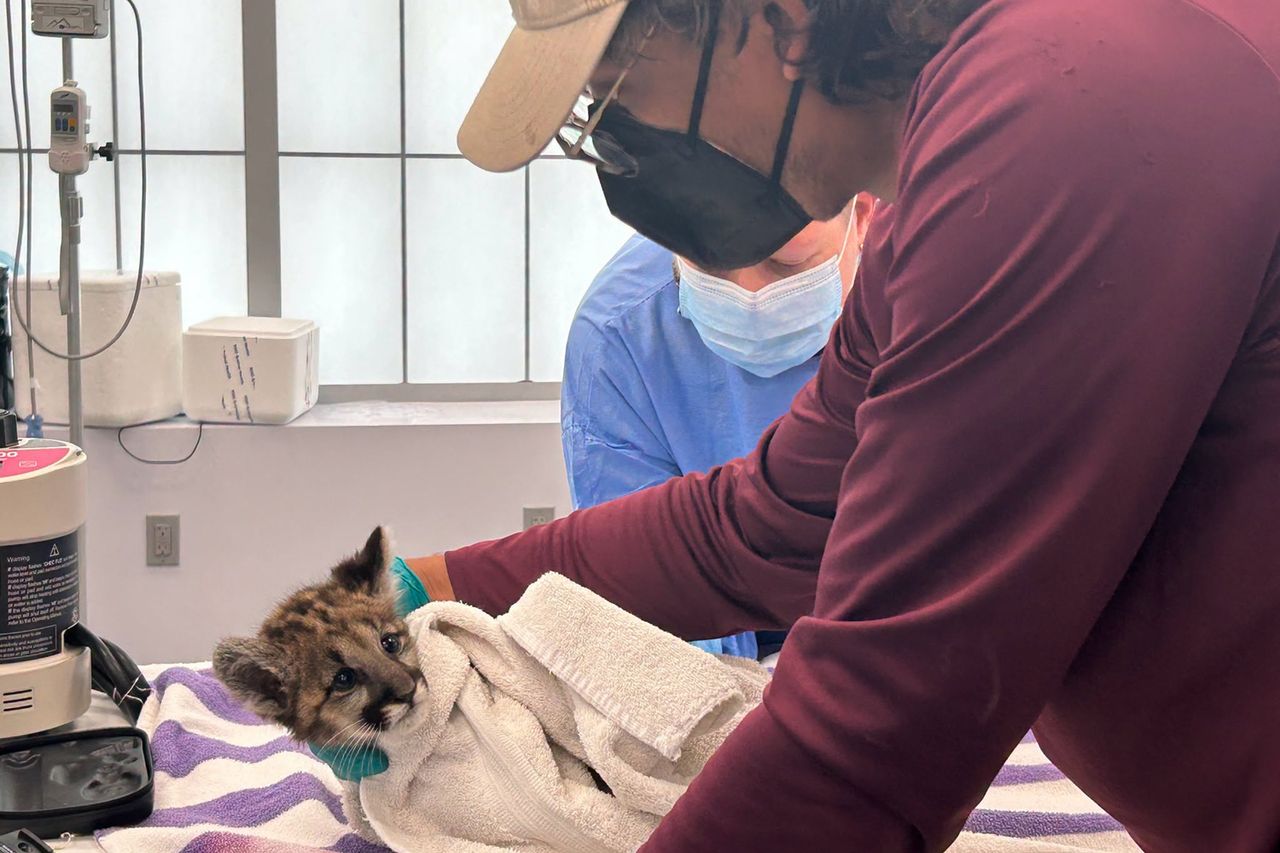
- The cub, named K528, is receiving medical care at the Naples Zoo, including treatment for a high parasite load
- Florida panthers are considered endangered, with only about 120-230 adults in the state, and the species faces threats from habitat loss and car accidents
A Florida panther cub that was abandoned by its mother has found a new home — and is now receiving treatment for a high parasite load.
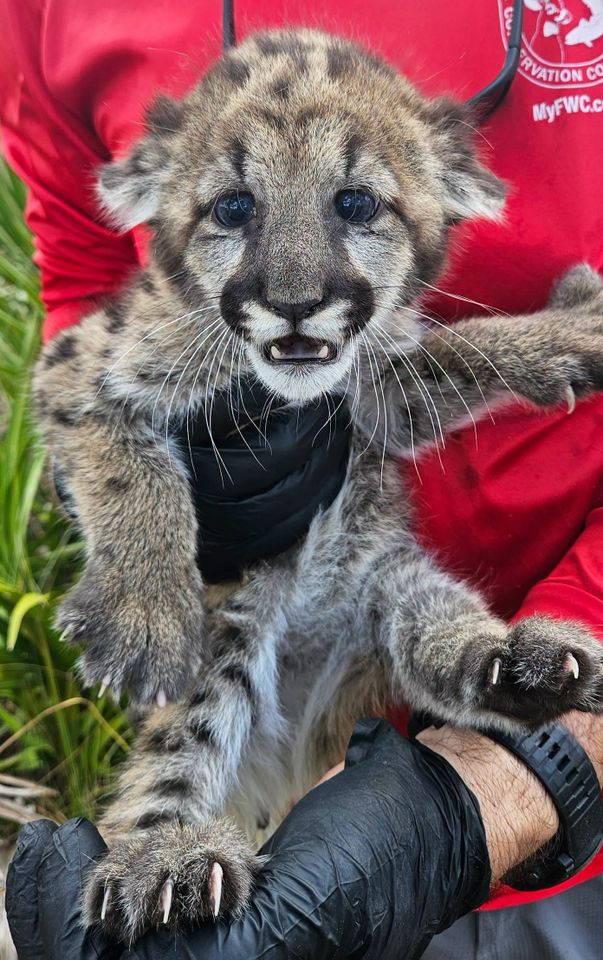
On Tuesday, June 23, the Florida Fish and Wildlife Commission (FWC) and the organization's Fish and Wildlife Research Institute announced that it had rescued a 2-month-old female panther cub — also called a kitten— after she was left behind by her mother in a den.
Officials wrote in a post shared to Facebook that researchers placed a radio collar on the cub's mother during this year's capture season.
Using GPS data, researchers eventually learned that the mother panther was denning — meaning that she had chosen a den, typically in a palmetto thicket in the Florida wilderness, to have kittens, per the FWC.
"Biologists with the FWC and U.S. Fish and Wildlife Service confirmed the den and documented a single kitten. Continued monitoring showed the mother regularly returning to the den and caring for the kitten," the organization shared. "Over time, however, biologists observed that the mother was no longer returning to the den."
Credit: FWC Fish and Wildlife Research Institute/Facebook
Two weeks passed without the mother panther returning to her den, and biologists noted that the cub was underweight, weighing less than 3 pounds. She was also found to have a "high parasite load," and researchers opted to intervene in her case.
The FWC removed the female cub — now identified as K528 — from her motherless den in March and took her to the Naples Zoo at Caribbean Gardens for medical care.
Never miss a story — sign up for PEOPLE's free daily newsletter to stay up-to-date on the best of what PEOPLE has to offer, from celebrity news to compelling human interest stories.
The FWC said in its June announcement that K528's rescue was only possible because of the organization's radio collaring program.
"Monitoring collared panthers provides valuable information about reproduction, survival, and population health," the FWC explained on Facebook. "It can also help biologists identify situations where intervention may be needed to give a vulnerable kitten a chance at survival."
Credit: FWC Fish and Wildlife Research Institute/Facebook
Florida panthers are one of two native cat species in the state, the other being bobcats. Only about 120-230 adult panthers remain in Florida, and the species is listed as endangered under the Endangered Species Act, making it illegal to harm or harass them.
"As the state grows, suitable habitat for panthers and other wildlife shrinks," the FWC explained. "Florida panthers normally live in remote, undeveloped areas. But as both the number of panthers and the number of people living and recreating in Florida grows, so does the chance of an encounter with a panther."
According to the U.S. Fish and Wildlife Service, officials have worked in recent years to create safeguards, including conservation corridors to "expand the panthers' range, increase their numbers and help them migrate" amid a growing number of car accidents that have left panthers dead.
In its announcement, the FWC said that any Florida residents looking to support panther conservation efforts can purchase a "Protect the Panther" specialty license plate.
The organization also shared that anyone who spots or encounters an injured, sick or dead panther, can contact the FWC's 24-hour Wildlife Alert Hotline at 888-404-FWCC (3922) so that panther biologists can help.
Read the full article here