

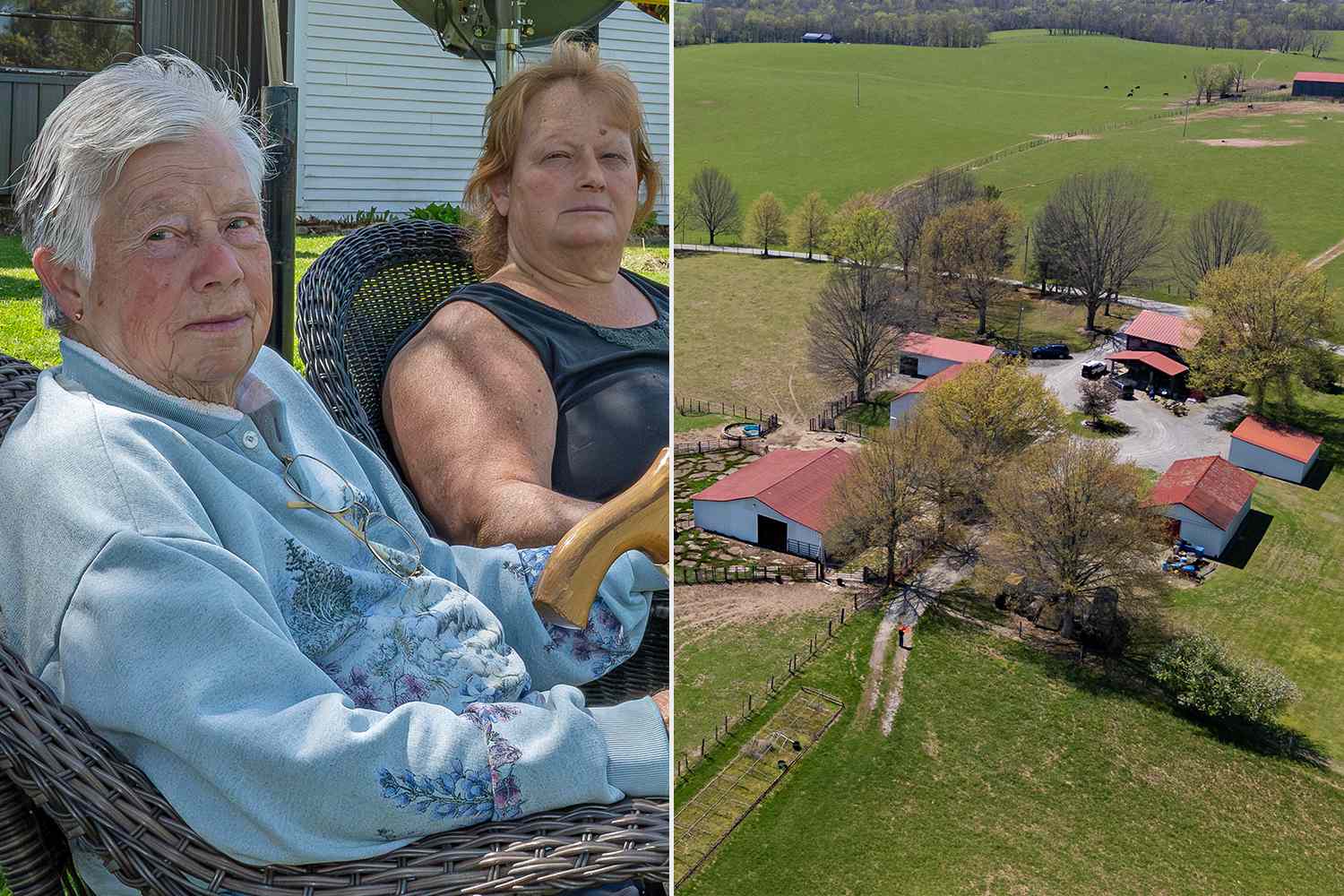
The spread of data centers is roiling communities nationwide. In Kentucky, Ida Huddleston and Delsia Bare are holding tight to their ancestral land
Credit: Glenn Hartong (2)
Starting at age 11, Delsia Bare had a routine after school. She would saddle up her horse and ride along the perimeter of her family’s 1,200-acre farm in Maysville, Ky., on the fringes of the Appalachian Mountains, checking the fences for damage to prevent cattle from escaping.
“I have lived the dream of being a cowgirl my entire life,” says Bare, now 54.
Home to her family for more than 200 years — her mother, Ida Huddleston, and brother William Robert Huddleston III each have their own houses on the land, and her late husband Michael was laid to rest on the farm — the rolling green hills and pastures are a source of pride. Besides raising livestock, she says, her family grew wheat for breadlines during the Great Depression.
“We have fed a nation,” Bare tells PEOPLE in this week’s issue. “It’s a wonderful place to live.”
And it’s a place they’re adamant about preserving for future generations. After making global headlines for saying they turned down a $26 million offer from an unnamed Fortune 100 company to buy half of their property for a proposed 2,000-acre artificial intelligence data center, Bare and Huddleston have become unexpected heroes for standing up to Big Tech.
Take PEOPLE with you! Subscribe to PEOPLE magazine to get the latest details on celebrity news, exclusive royal updates, how-it-happened true crime stories and more — right to your mailbox.
The industry plans to spend trillions of dollars buying up and developing land for state-of-the-art infrastructure, particularly in rural areas, as the demand for AI and computing power surges. The companies maintain they’re taking steps to curb the environmental impact, while officials point to economic benefits like jobs and tax revenue.
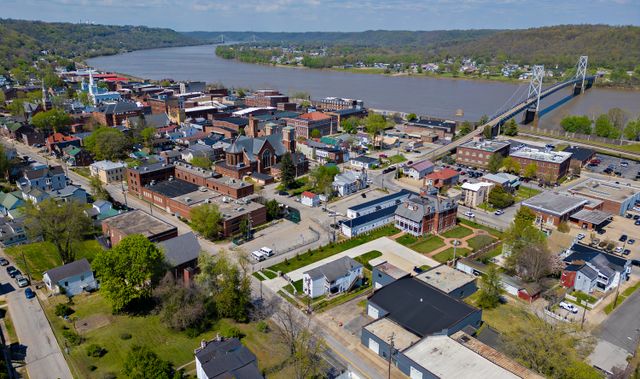
But Bare and others are wary of the drain on natural resources and the potential for pollution that such facilities bring to communities—more than 4,000 in the U.S. to date, experts say. The issue has sparked environmental debate (see sidebar) and, in some places, bans on construction.
Credit: Glenn Hartong
“So many of these things happen at a local level. It starts right there, and I say, ‘You’ve got to show up,’ ” says famed environmental activist Erin Brockovich, 66, who launched a website, brockovichdatacenter.com, to track U.S. data centers on a map.
After refusing to sell, Bare joined a lawsuit against the data center project.
“Money don’t mean anything if you don’t have food, water and can’t breathe. And they’re not making any more land,” says Huddleston, 82. “You can’t get food out of a data center.”
‘We Got Scared’
In the spring of 2025 Bare and her family were “minding our business” when their neighbors in Mason County noted something interesting: Real estate agents had begun offering residents $4,600 an acre for their farmland.
Bare says one agent told her that, in fact, a corporate buyer was willing to pay $26,000 per acre. When she told him she wasn’t interested, the offer jumped to $48,000. Bare was skeptical: “I said, ‘Who is it, and what do they want the land for?’ [The agent] said, ‘We’re not allowed to disclose that.’ ” (County officials have agreed to keep the buyer secret.)
As the mystery deepened, Bare and Huddleston worried that the company would lobby the government to invoke eminent domain and force a sale at a much lower price.
“We got scared and signed their blasted contract,” Bare says.
Never miss a story — sign up for PEOPLE’s free daily newsletter to stay up-to-date on the best of what PEOPLE has to offer, from celebrity news to compelling human interest stories.
They almost immediately changed their minds, becoming convinced that the millions they could make were not worth it: Huddleston moved to their farm when she was just 17, after she married Bare’s father, then-18-year-old William Robert Huddleston Jr., who built the log cabin she still calls home today.
“We raised two children and three grandchildren here,” Huddleston says of the home she shared with her husband for 54 years.
He wanted the property to stay in the family, so when he died in 2013, it was divided between Huddleston, Bare and Bare’s brother, now 64.
Credit: Anthony Chamblin
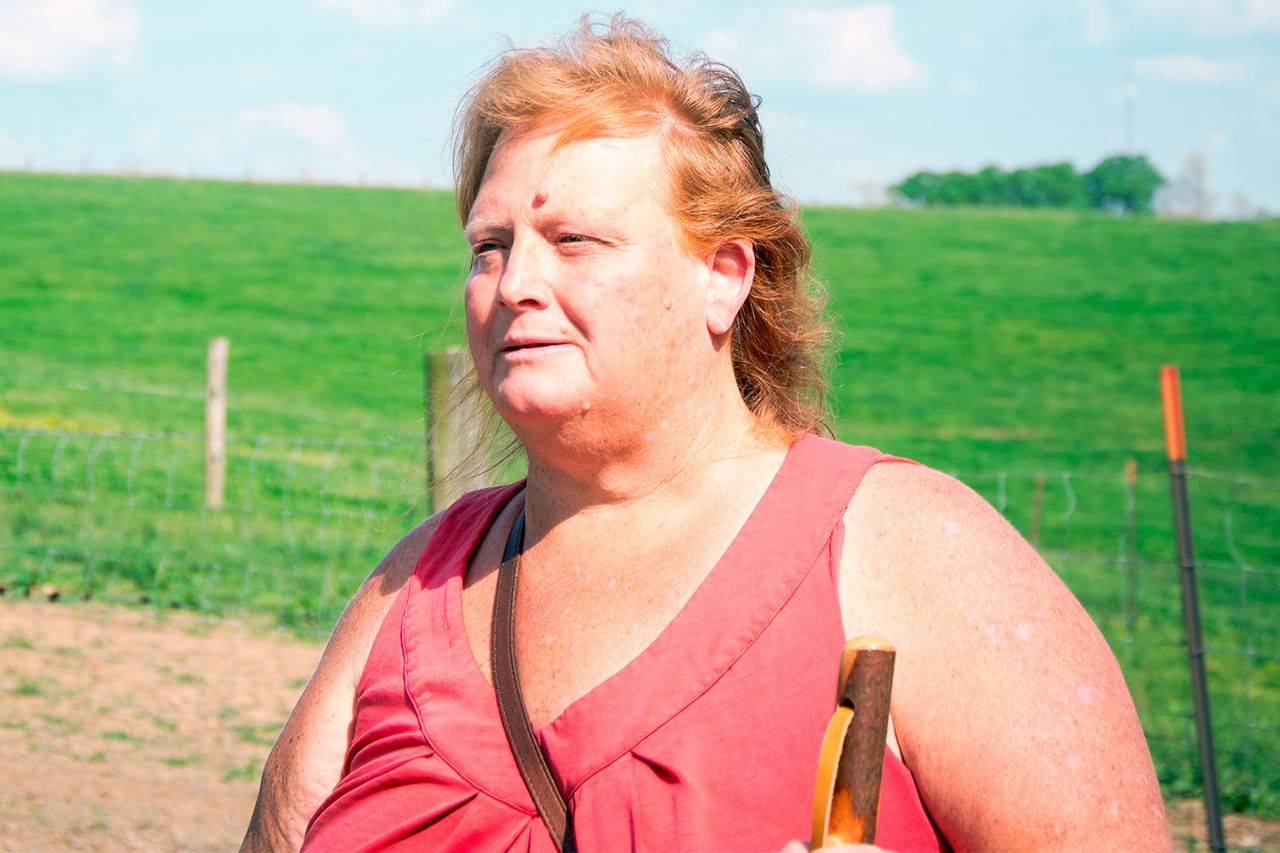
Given their attachment, Huddleston and Bare quickly moved to undo their deal. “My mother was saying, ‘I don’t want to leave my home. I don’t want to leave my flower beds.’ I said, ‘Well, that’s easy enough. I’ll just call the Realtor and tell him we’re not,’ ” Bare recalls.
She was relieved to learn from a lawyer that the data center could not force them to sell.
Still, the facility was able to gobble up other nearby property, including portions of the Meadowland Village mobile-home park, where 28 residents — many retired, with disabilities or on fixed incomes — were given 90-day eviction notices from their landlord. Even with promises of lump sums for relocating, many were apprehensive about the upheaval. “We were very happy here,” says Rico Roberts, 67, “and planned on living here until we died.”
Bare, too, worries. She believes massive power and gas lines will be brought into East Kentucky to power the 2.2-gigawatt facility she calls an “electricity-sucking monster,” and the local water supply will be negatively affected.
The Maysville-Mason County Industrial Development Authority’s economic development director Tyler McHugh sought to assuage concerns last year, reportedly telling residents: “[The company] will fully fund all necessary infrastructure, roads, water, sewer, fiber, electrical service, so the community carries no financial burden.”
This spring Bare and her mom joined We Are Mason County with like-minded residents, including retired IT professor Janet Garrison, 64, to oppose the data center. In June they filed a lawsuit after an earlier complaint, lodged in March, was dismissed.
Nevertheless, the project is moving forward. In May a court approved a rezoning plan to pave the way for the data center’s construction.
But Bare and Huddleston aren’t going anywhere. “God gave the land to us to take care of,” says Huddleston. “And that’s what we are doing.”
Read the full article here