

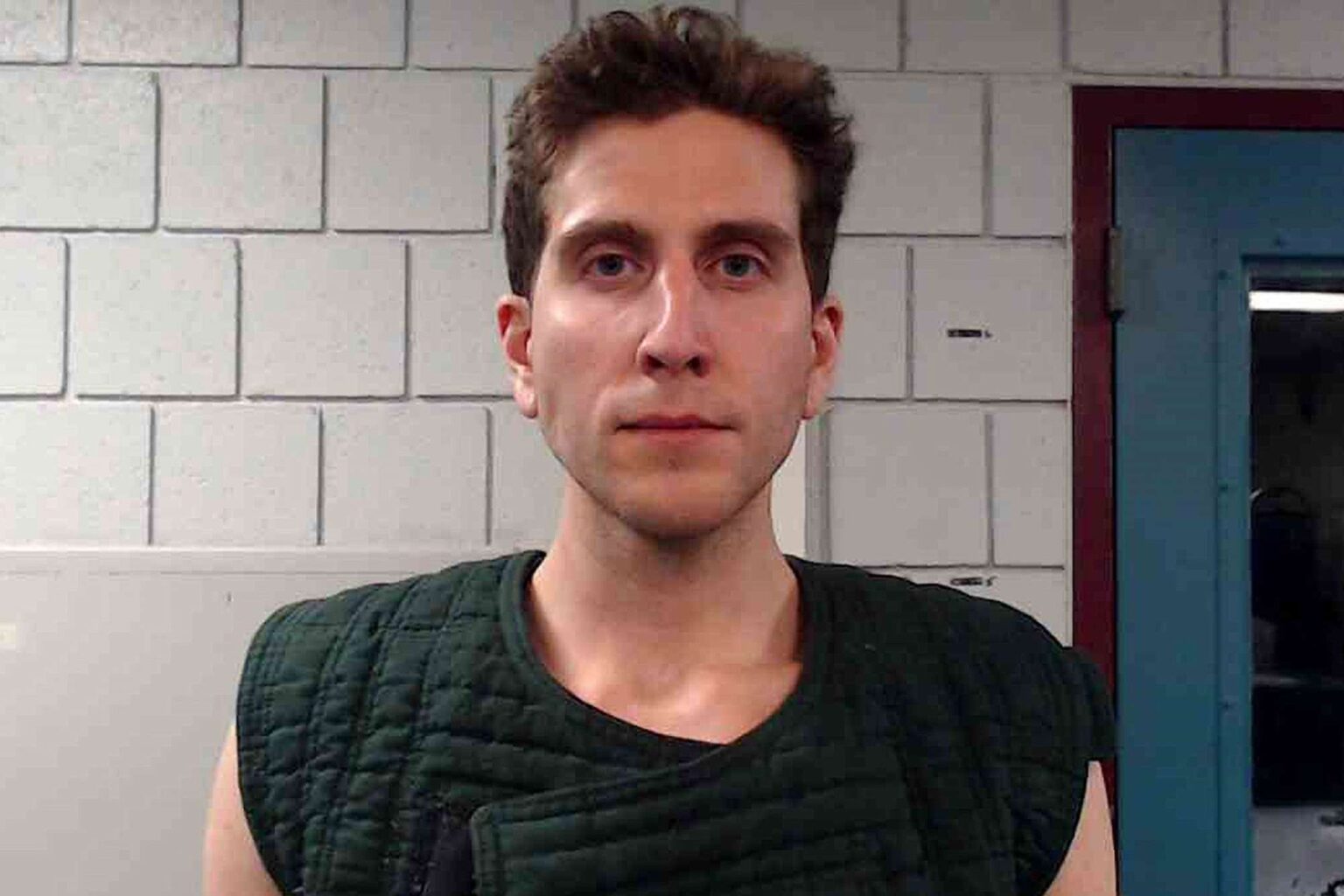
Former federal prosecutor Neama Rahmani says Kohberger’s claims over alleged withheld evidence and his guilty plea face significant legal hurdles under Idaho’s post-conviction process
Credit: Monroe County Correctional Facility via Getty
NEED TO KNOW
- Former federal prosecutor Neama Rahmani says Bryan Kohberger’s petition to withdraw his guilty plea faces significant legal hurdles
- Rahmani tells PEOPLE that Kohberger must show a constitutional violation, such as withheld evidence or ineffective assistance of counsel, to succeed
- Rahmani said he believes Kohberger’s petition has “very little chance of success”
Bryan Kohberger’s effort to withdraw the guilty plea that spared him the death penalty faces significant legal hurdles and has very little chance of succeeding, according to legal analyst and former federal prosecutor Neama Rahmani.
Kohberger recently filed a handwritten petition for post-conviction relief asking an Idaho judge to allow him to withdraw the guilty plea he entered in the stabbing deaths of University of Idaho students Ethan Chapin, Xana Kernodle, Madison Mogen and Kaylee Goncalves.
In the petition reviewed by PEOPLE, Kohberger alleges he was “convinced to falsely confess” through “coercion, disinformation, false promises and withholding of exculpatory discovery.” He claims his attorneys failed to tell him about “unknown hair in Ethan Chapin’s hands,” insisted his guilty plea “need not be truthful” despite his “vehement denial of actual guilt” and made false promises about what life in prison would be like if he accepted the plea agreement.
He also repeated those allegations in an accompanying affidavit, in which he claims his attorneys misled him about the conditions he would face if he rejected the plea deal and ended up on death row.
While those allegations raise constitutional issues, Rahmani tells PEOPLE that complaints about prison conditions alone would not be enough to withdraw a guilty plea.
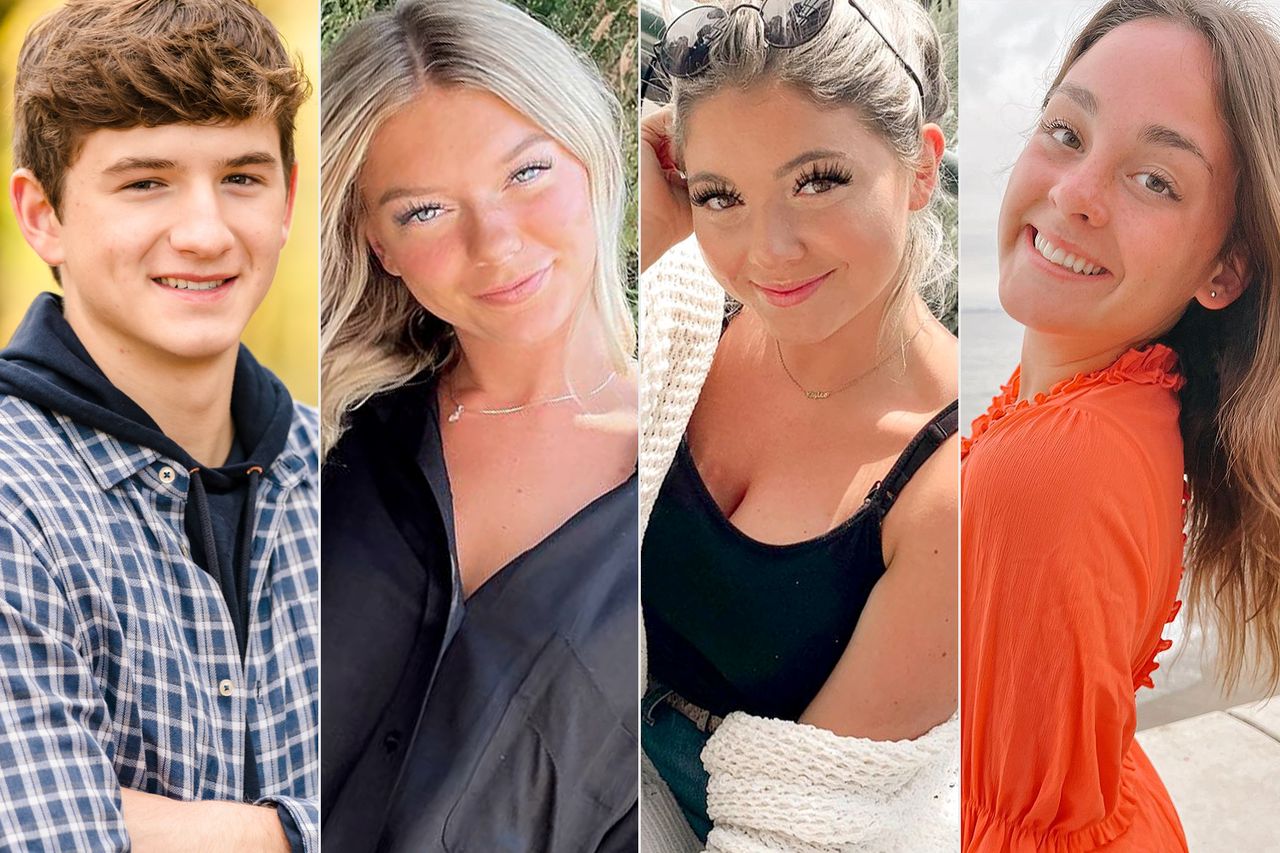
Credit: Courtesy of Chapin Family; Maddie Mogen/Instagram; Kaylee Goncalves/Instagram; Xana Kernodle/Instagram
“Obviously him not liking his cell, him not liking his job in prison, that is not a legal basis to withdraw a guilty plea,” Rahmani says.
As PEOPLE previously reported, Kohberger waived his right to directly appeal his conviction as part of the plea agreement.
Instead, Rahmani says Kohberger now must show that his conviction was undermined by a constitutional violation because the deadline for a direct appeal has passed.
“The time for him to file an appeal has passed, and that is a strict statutory deadline,” Rahmani says.
Rahmani says those constitutional claims generally fall into four categories: that a guilty plea was not entered knowingly or voluntarily, that a defendant is actually innocent, that prosecutors withheld evidence favorable to the defense or that defense attorneys provided ineffective assistance of counsel.
“I think this petition is going to be denied,” Rahmani says. “But if he’s going to try to thread the needle, it’s got to be one of these four.”
Want to keep up with the latest crime coverage? Sign up for PEOPLE’s free True Crime newsletter for breaking crime news, ongoing trial coverage and details of intriguing unsolved cases.
Rahmani says the allegation regarding unidentified hair allegedly found in Ethan Chapin’s hands could potentially support either a claim that prosecutors withheld evidence or an ineffective assistance of counsel claim, depending on what prosecutors disclosed to the defense.
According to Rahmani, under the Supreme Court’s Brady rule, prosecutors generally must disclose evidence favorable to the defense when it is material to guilt or punishment. Failing to do so can violate a defendant’s constitutional rights.
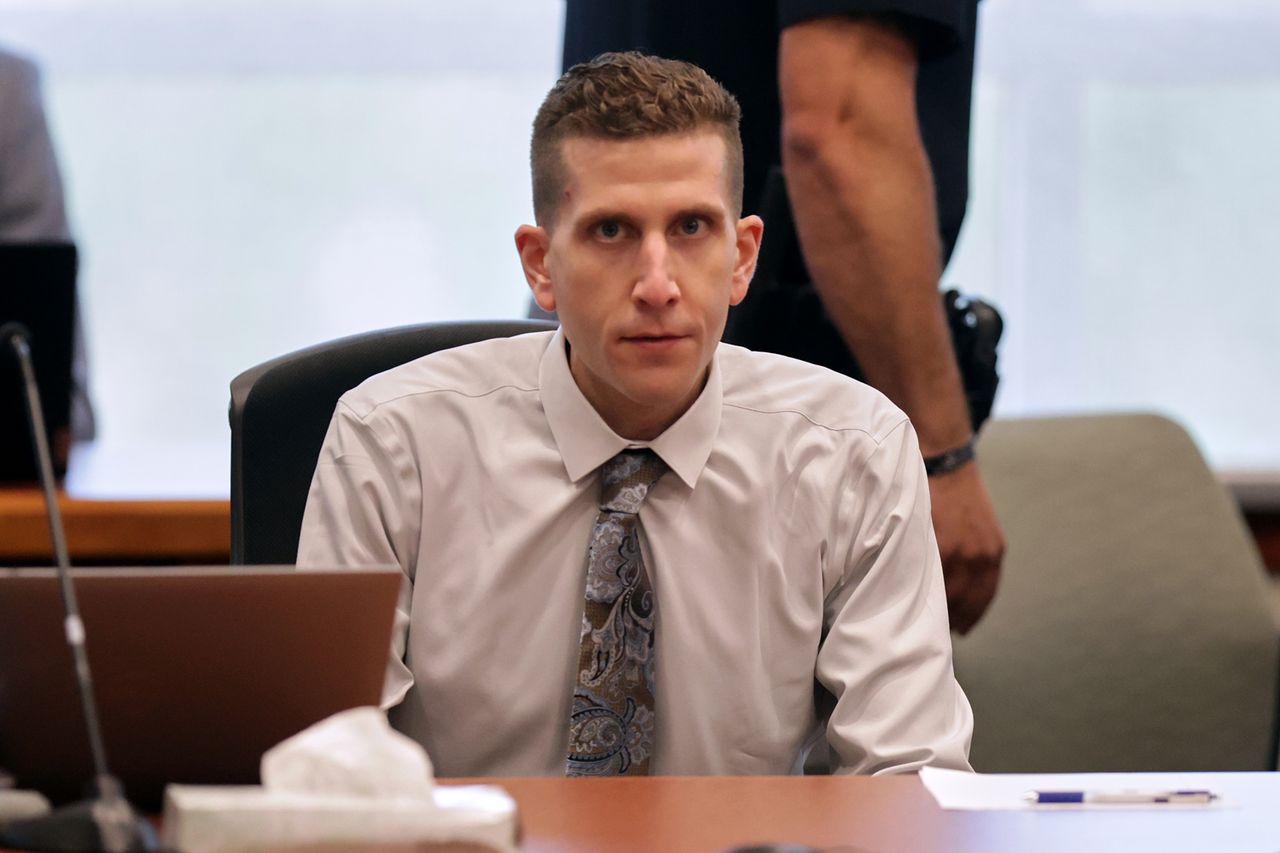
Credit: Kyle Green-Pool/Getty
Still, Rahmani cautions that the public does not know whether prosecutors disclosed the evidence during discovery.
“Obviously we don’t know what the prosecution knew about the hair, when and if they told the defense,” he says. “That’s not public.”
Rahmani says that if Kohberger’s attorneys believed prosecutors had failed to disclose exculpatory evidence, they likely would have challenged that before advising him to plead guilty because doing so could have removed the death penalty while preserving his right to trial.
“If the defense knew that the prosecution failed to disclose the existence of this hair or any other exculpatory material, they would have filed their own motion, because that was a way they could’ve gotten the death penalty struck from the case,” Rahmani says. “Bryan Kohberger would be freerolling. He would roll the dice and go to trial.”
“Anne Taylor [and the rest of Kohberger’s defense team] knew exactly what they were doing,” Rahmani continues. “If you save your client’s life in any death penalty case, that is a win, even if your client spends the rest of his or her life in prison.”
Rahmani says claims like Kohberger’s are common among convicted defendants seeking to undo guilty pleas.
“It happens all the time where they’ll say, ‘My lawyer told me to plead guilty. I’m actually innocent,’” Rahmani says. “They always blame their lawyer. They’re sitting in prison. They have nothing to do.”
“If you’re asking me, this petition has very little chance of success,” he tells PEOPLE.
Read the full article here