

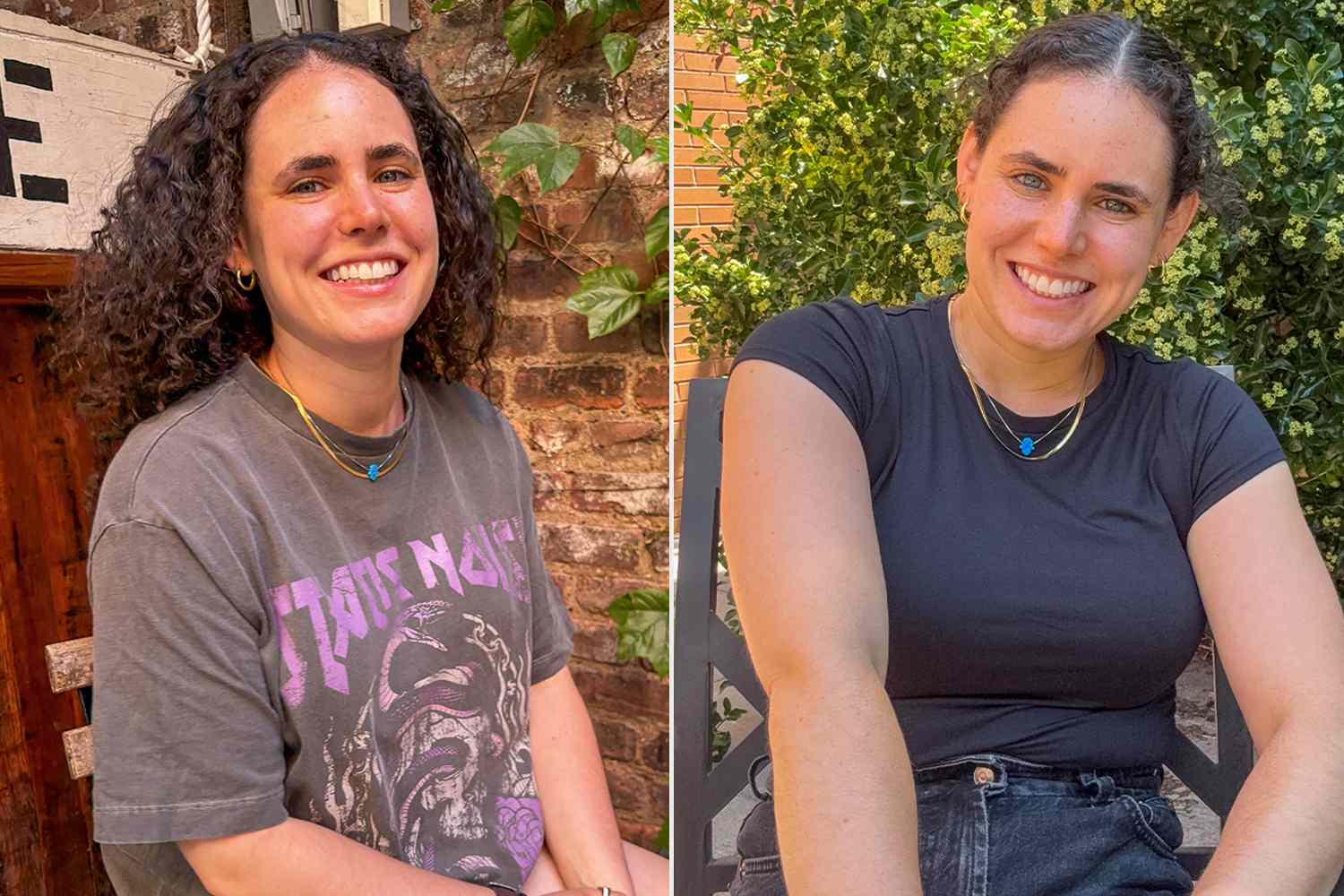
Hadas Lederer began sharing her OCD journey on TikTok after years of struggling with intrusive thoughts in silence
NEED TO KNOW
- Hadas Lederer began sharing her OCD journey on TikTok after years of struggling with intrusive thoughts in silence
- Her videos helped others recognize their own OCD symptoms and inspired her to start an online support group
- Lederer says sharing her story has been healing despite facing misunderstandings and hateful comments online
When Hadas Lederer's therapist asked her a simple question during a session about a year ago, the answer came almost immediately.
"What is something you want to do but aren't doing because you're afraid?"
For Lederer, the answer wasn't changing careers, moving across the country or taking a big leap into the unknown. It was opening TikTok and talking publicly about obsessive-compulsive disorder — something she had spent years quietly struggling to understand herself.
According to the Mayo Clinic, "obsessive-compulsive disorder (OCD) features a pattern of unwanted thoughts and fears known as obsessions. These obsessions lead you to do repetitive behaviors, also called compulsions."
"I told her I was scared," the Brooklyn-based art director, 29, tells PEOPLE exclusively. "What if people misunderstood me? What if they judged me? I had a million other 'what ifs.'"
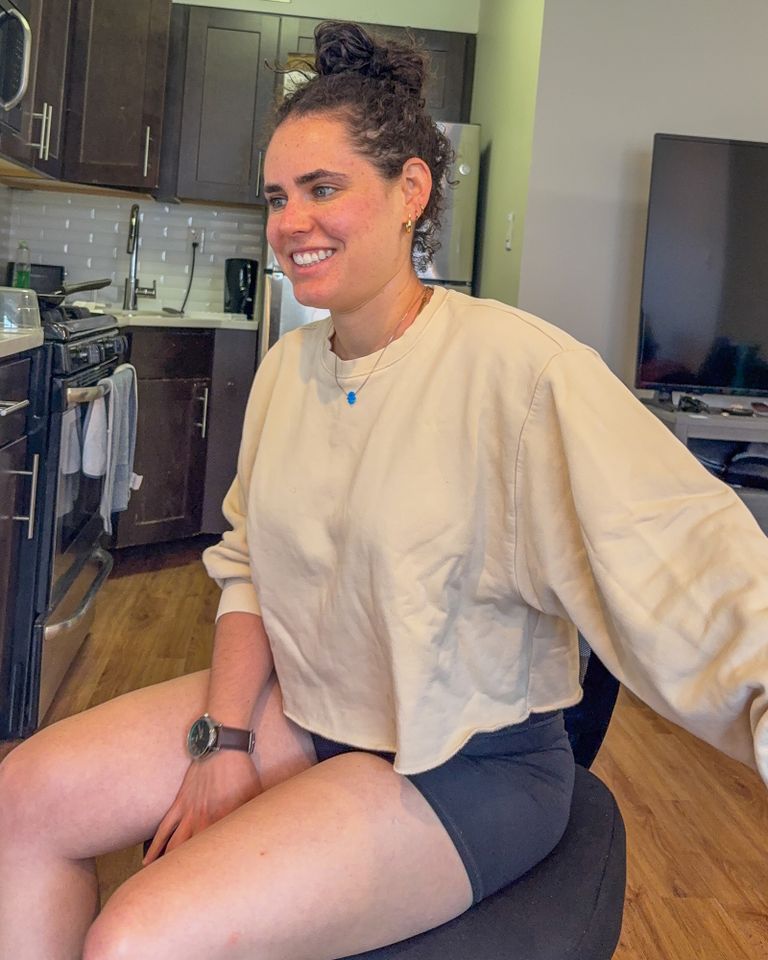
The hesitation made perfect sense. Before being diagnosed with OCD in the spring of 2024, Lederer had spent years believing many of her intrusive thoughts were uniquely hers. Even after beginning Exposure and Response Prevention (ERP) therapy, she worried that discussing the disorder publicly — especially some of its lesser-known themes — would only reinforce the misconceptions that already surround OCD.
Still, she couldn't shake the feeling that there were other people quietly living with the same fears she once believed she had to carry alone. So despite every instinct telling her to keep her story private, she uploaded her first video.
"OCD loves 'what ifs,' and one of the best things you can do for yourself is do the scary thing anyway," she says.
@hadas_lederer
This is almost everything I learned in my 2 years of erp for ocd the practicing it is the hard part #ocd #ocdawareness #mentalhealth #erp #fy
♬ original sound – hds.OCD
The response changed the way she thought about both social media and the disorder itself. Instead of criticism or confusion, her comment sections quickly filled with people describing experiences that sounded almost identical to her own.
Many admitted they had never spoken about their intrusive thoughts before because they believed those thoughts made them dangerous, broken or simply bad people.
"When people began relating to my content, I realized, okay, it's not just me," Lederer says. "Maybe if I keep sharing what I'm dealing with and what's helped me, I can help someone else feel a little less alone too."
@hadas_lederer
I don’t have the clean apartment OCD #ocd #ocdproblems #mentalhealth #erp #fyp
♬ original sound – hds.OCD
As her audience grew, so did the messages arriving in her inbox. While every story looked different on the surface, many carried the same underlying theme: years of suffering in silence because people were too ashamed to tell anyone what was happening inside their minds.
"The messages that stand out to me the most are from people who tell me they've never shared their intrusive thoughts with anyone because they were convinced they were a terrible person, but after seeing my videos they realized it was OCD," she says. "Those messages get me every time. I'm slightly embarrassed by the number of times I've cried reading comments and DMs."
For Lederer, those conversations reinforced something she now believes is one of the biggest challenges facing people with OCD: the disorder remains widely misunderstood.
While many people still associate OCD with cleanliness or organization, she says those stereotypes overlook the relentless mental compulsions and intrusive thoughts that often define the condition, leaving many sufferers convinced they're completely alone.
"I do think it's important to spread awareness since that's the only way to take away the stigma, shame and misunderstanding that comes with struggling with OCD," she says.
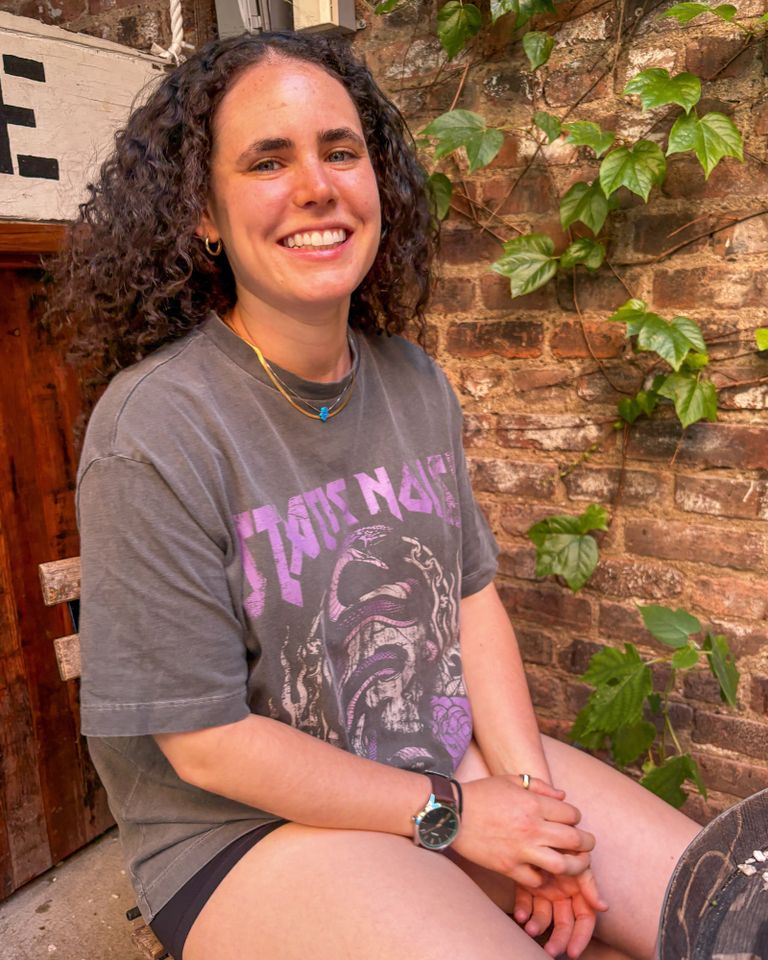
Eventually, the conversations became too meaningful to stay confined to a comment section. Wanting to create a space where people could speak more openly, Lederer invited followers to join an online OCD support group.
She expected a single meeting where strangers could introduce themselves, share their experiences and move on. Instead, something much more lasting emerged.
"I also started running OCD support groups by posting on TikTok, and one of the first groups kind of took on a life of its own," she says. "A few of the members still meet every other week, and whenever I attend, it reminds me that I'm not alone in my own struggles."
@hadas_lederer
OCD being ocd #ocd #ocdawareness #mentalhealth #erp #fy
♬ original sound – hds.OCD
The experience has been unexpectedly healing for Lederer herself. Years after believing no one could possibly understand the thoughts she lived with every day, she's now surrounded by people who not only understand them, but can describe them in their own words.
"Posting has also made me feel less alone," she explains. "A lot of the time I'll post something I'm struggling with, or struggled with in the past wondering if it's just me. Then I'll read through comments from people saying, 'I thought I was the only one' or 'This is me.'"
That sense of connection hasn't eliminated the fear entirely. Lederer says she still receives hateful comments from people who misunderstand OCD, particularly when she discusses taboo themes or intrusive thoughts that are easy to take out of context.
There have been moments when she's questioned whether she's sharing too much, but those doubts are consistently outweighed by the messages from people who say her videos helped them finally understand what they had been experiencing.
"It's scary to be misunderstood when you're talking about such difficult topics, and there have been times I've questioned if I'm sharing too much," she shares. "But at the end of the day, if something I share helps even one person feel less alone or encourages them to get help, then it's worth it."
Looking back, Lederer says the biggest surprise wasn't that her videos reached millions of people. It was discovering that the thing OCD had spent years convincing her to hide became the very thing that connected her to an entire community.
"I hope they feel less alone," she notes. "OCD can be incredibly isolating, especially when you're dealing with thoughts or fears that feel too scary or embarrassing to talk about."
"I also hope they see that it's possible to learn how to live with OCD without letting it control your life," she adds. "OCD is a debilitating disorder, but with the right help, you can learn the tools to respond to it differently, get your life back, and go on to do the things you love."
Read the full article here