

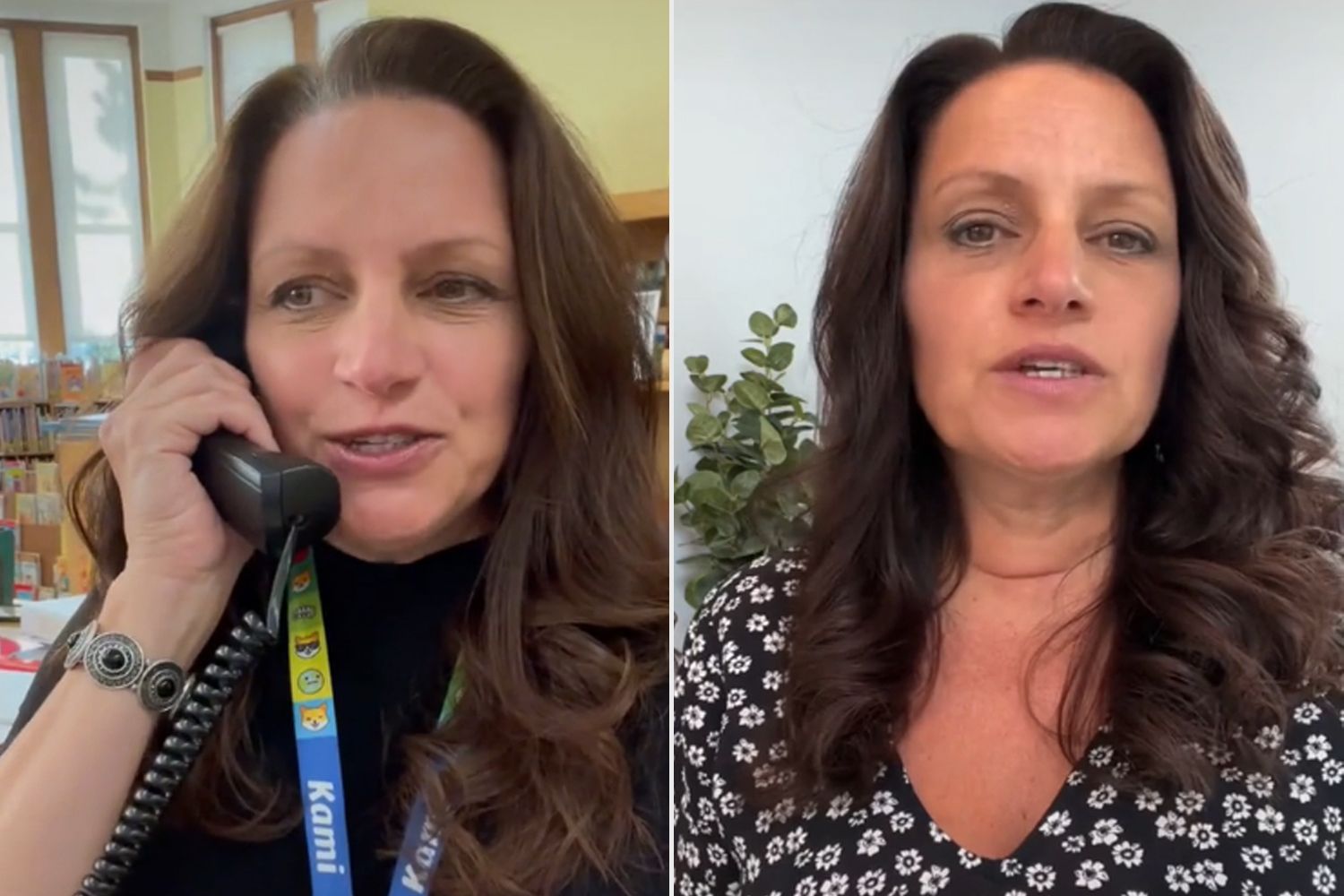
“Teachers care deeply for their students, so when teachers are overwhelmed and exhausted, it can impact those relationships,” Michelle Manning tells PEOPLE
Credit: tiktok
NEED TO KNOW
- In a viral TikTok, Michelle Manning uses humor to highlight how constant digital communication is fueling teacher burnout
- The retired teacher of 25 years argues that educators are expected to be reachable far beyond school hours
- Manning also urges educators to set boundaries by removing work email from their phones
A retired teacher’s viral TikTok is striking a chord with educators who feel stretched beyond their limits.
In a staged video, Michelle Manning pretends to call a pizza shop before it opens, insisting on placing an order simply because it suits her schedule — a skit that resonated with teachers struggling to keep up with classroom demands and constant emails and messages after hours from parents and students alike.
“Similar to walking into the ocean, you start off small and the next thing you know you're in over your head,” Manning, who spent 25 years teaching on Long Island, tells PEOPLE.
@manningtechtalk
Take your work email off your phone!!! You can’t call your mechanic or order a pizza or call your hairdresser outside of business hours, so set those boundaries and take care of yourself!!! Thanks to @kamiapp for posting this video! Take your email off your phone! You will survive!! Follow @teachingbelike for more reminders to set those boundaries!! #teacherlife #teachingbelike #healthyboundaries #teachersoftiktok #teachers #selfcare
♬ original sound – Michelle Manning
That gradual shift in pressure, however, didn’t just happen overnight.
When Manning began teaching in the early 1990s, communication between teachers and parents moved at a slower, more deliberate pace. Without instant alerts or online portals, families often had time to “cool off” and process concerns before reaching out, she explains.
Today, however, parents can receive updates immediately and respond just as quickly — sometimes before even speaking with their child.
“Parents tend to be a lot nicer in person than they are behind a keyboard,” Manning highlights. “Now parents have instant access to not only their child's grades and progress, but they also have instant access to their child and to the teacher.”
Yet, what parents often don’t realize, according to Manning, is that teachers are also fielding emails about routine day-to-day matters, contributing to what she describes as an overwhelming volume of messages from “administration, colleagues, parents and the list goes on.”
The pressure, she says, stems from a “big misconception” of what a teacher’s day actually looks like. Unlike many professionals who sit at a desk with constant access to email, teachers are actively engaged with students for the majority of the day.
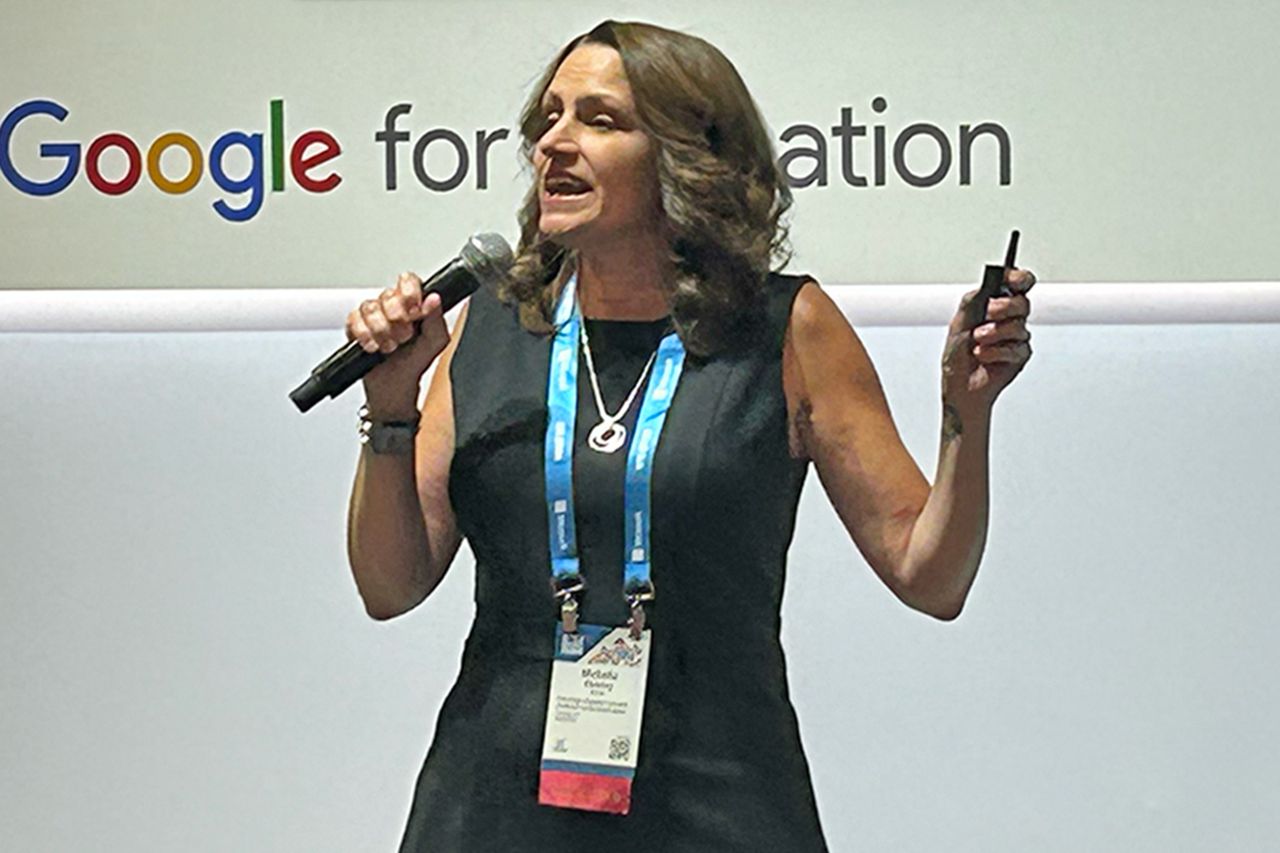
“Time-sensitive emails could be easily missed because teachers — especially elementary teachers — have about half an hour a day to check their email,” Manning explains, noting that this limited window also has to accommodate planning, grading and other responsibilities.
Credit: tiktok
To manage that reality, Manning encourages newer teachers to establish boundaries early and stick to them. Simple steps, like adding a clear message in an email signature or setting an automatic response after hours, can help reset expectations.
One of her suggested messages reads: “I am working with students during most of the day, therefore I may not see emails right away. Please know your message is important, and I will respond as soon as possible. Thank you for your patience.”
Manning also emphasizes the importance of turning off notifications so teachers can engage with emails on their own time, as well as deleting their work email from their personal phones completely.
Still, Manning believes responsibility doesn’t fall solely on educators. School leadership plays a critical role in reinforcing these boundaries.
“Leadership should give teachers ‘permission’ to set those boundaries,” she emphasizes, adding that consistent expectations across a school or district can make a meaningful difference.
Administrators, Manning notes, should “lead by example” by limiting after-hours communication and scheduling emails to arrive during the workday, a shift she believes would help set a healthier tone across schools and districts.
Never miss a story — sign up for PEOPLE's free daily newsletter to stay up-to-date on the best of what PEOPLE has to offer, from celebrity news to compelling human interest stories.
Credit: tiktok
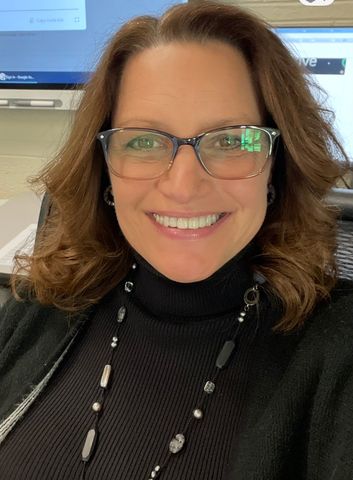
Creating that kind of structure, Manning suggests, is essential to easing the pressure teachers carry long after the school day ends.
“When teachers have to direct so much of their energy to activities other than lesson planning, grading and interacting with the students, it is very overwhelming,” she says, describing how the demands often extend into what should be personal time.
That constant balancing act can also bring a sense of guilt, as teachers feel like they’re not “doing enough,” even while taking work home night after night. Instead of recharging, many spend their evenings grading papers, planning lessons and responding to messages, making it difficult to fully step away.
“On a plane, we are told to put on our oxygen mask first, so we can take care of others, but very often teachers aren’t putting on their oxygen mask,” Manning tells PEOPLE.
Without a chance to reset, it becomes harder for educators to decide where to focus limited time and energy, often leading to burnout, she explains. That strain can take a toll in the classroom, where strong relationships and focused attention matter most.
Read the full article here