

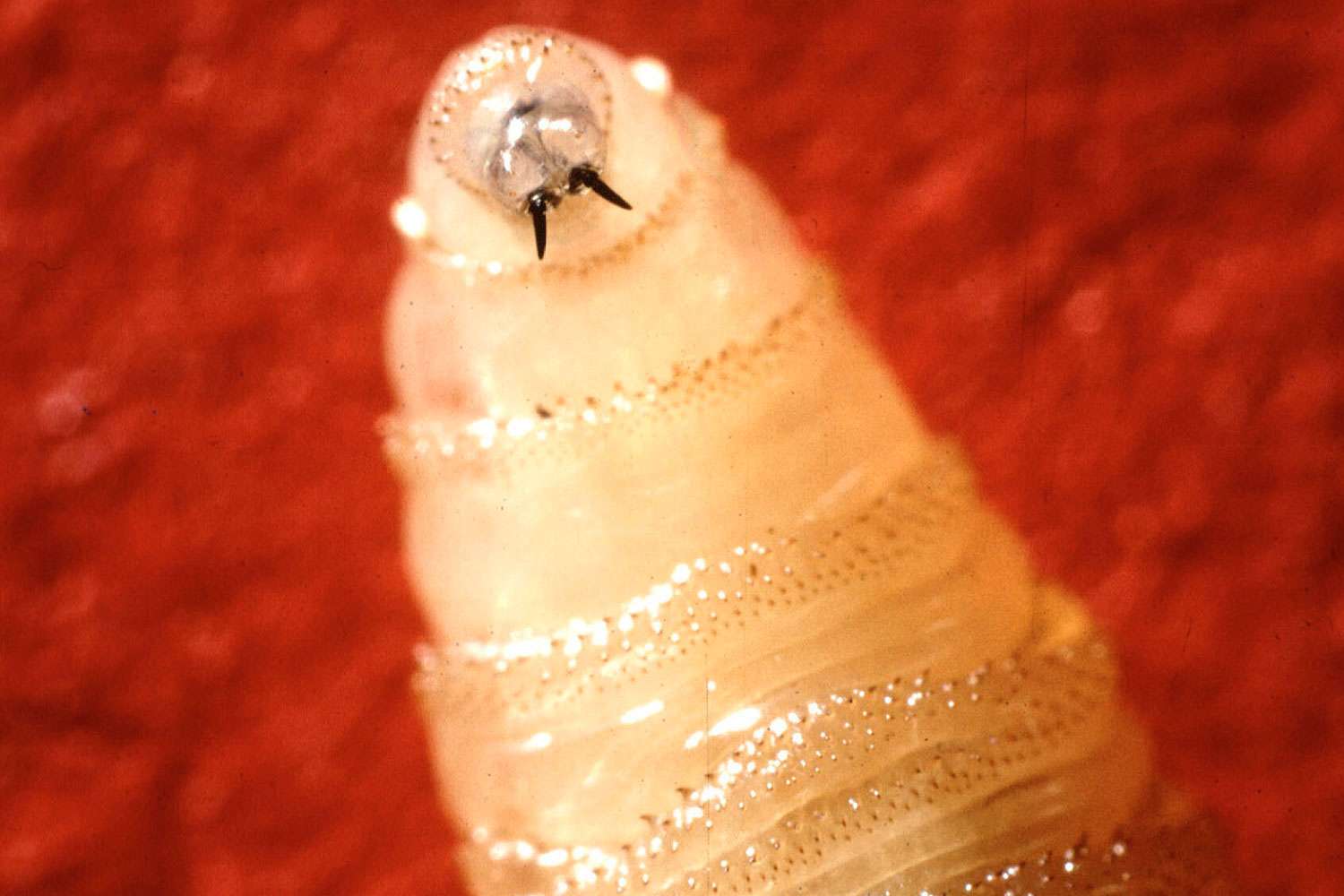
The New World screwworm, which threatens livestock and can infect humans, has been detected 90 miles from the Texas border
Credit: AP
NEED TO KNOW
- The New World screwworm, a flesh-eating parasite, is now just 90 miles from the U.S.-Mexico border
- The parasite poses a serious threat to livestock and can also infect humans, causing painful sores and lesions
- Texas officials are urging ranchers to monitor animals closely as efforts to contain the parasite have been unsuccessful so far
A parasite that has the potential to devastate livestock — and infect humans — is less than 100 miles from the U.S. as it continues to migrate toward the cattle-rich state of Texas.
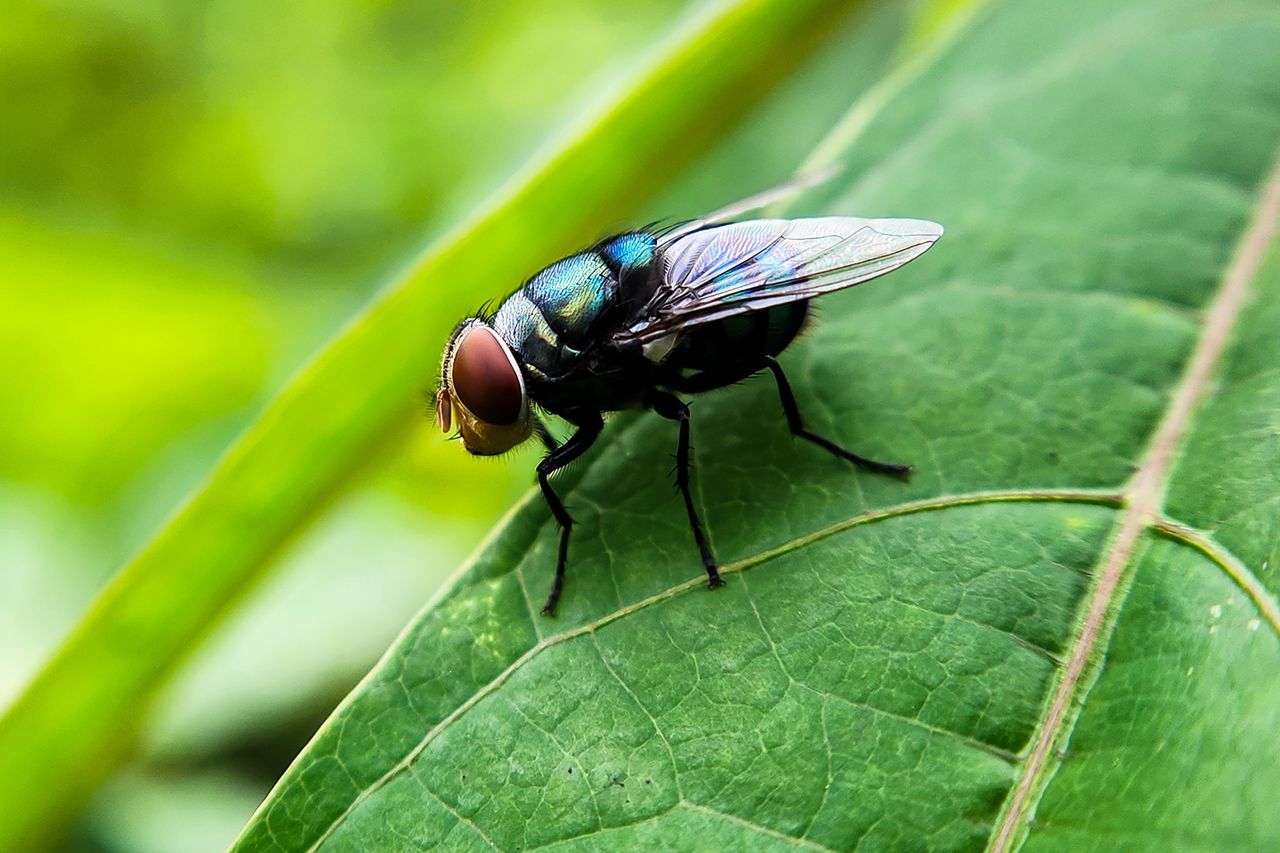
The New World screwworm — which is actually a fly — is migrating north from South America. Last July, it was detected 400 miles from the U.S. border. This month, it was detected in the Mexican state of Nuevo León, 90 miles from the U.S.-Mexico border, Texas Agriculture Commissioner Sid Miller said in an April 10 statement.
"The New World screwworm is not some distant problem. It is a direct and imminent threat to Texas, and we are treating it that way. This is a high-stakes situation for our ranchers, our livestock industry, and our food supply, and we are moving aggressively to stay ahead of it," Miller said.
Credit: Getty
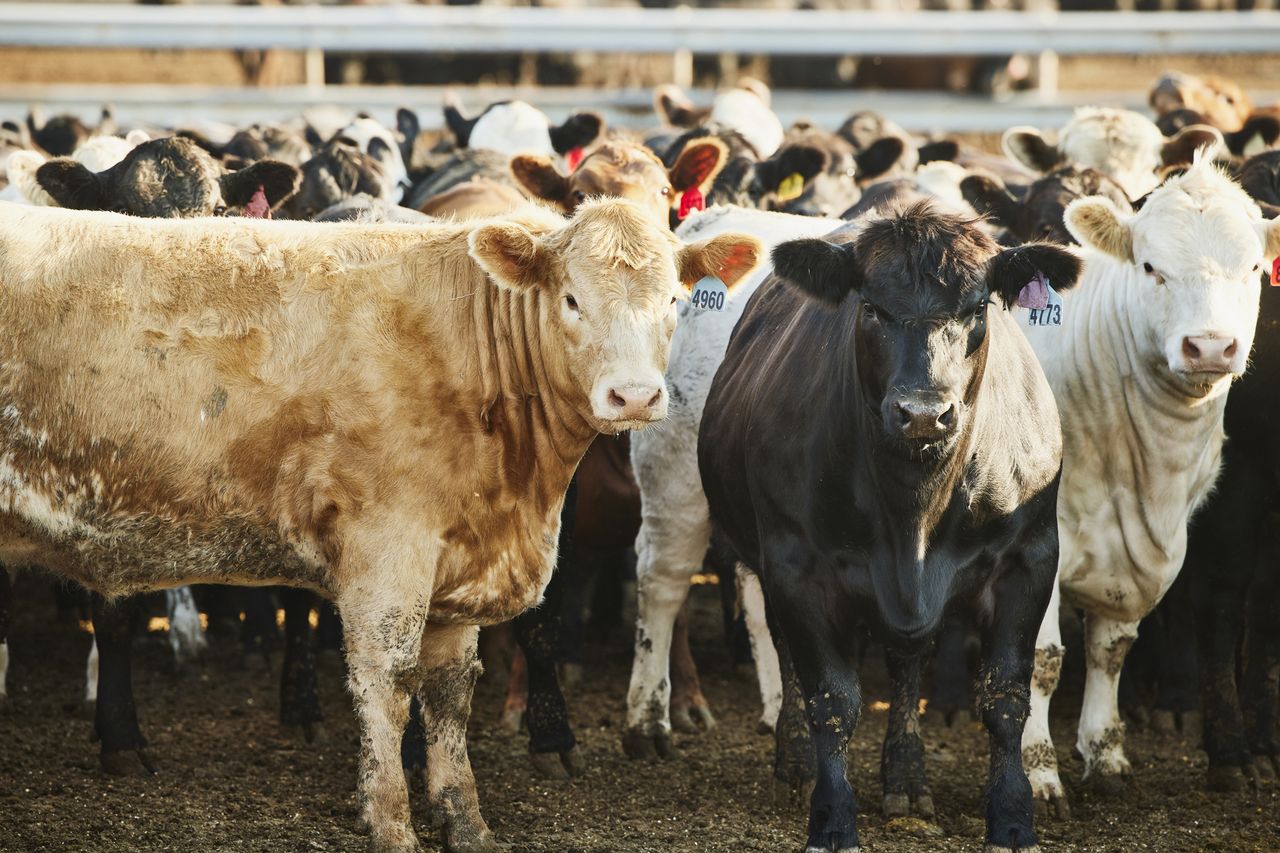
The screwworm is a “flesh-eating parasite,” Colin Woodall, CEO of the National Cattlemen's Beef Association, told NPR. As he explained, the fly lays its eggs on livestock, like cattle. Then, he says, “the larva does exactly what the name would suggest. It screws or bores into the flesh of our cattle and, in essence, eats the animal from the inside out. It is a horrific parasite.”
And while it primarily affects animals, it can — and does — sicken humans. Last August, a person in Maryland was confirmed to have a screwworm infection after traveling to El Salvador.
As the U.S. Centers for Disease Control and Prevention explains, it causes painful, bloody sores and skin lesions. “You may see maggots (larvae) around or in an open wound. They could also be in your nose, eyes, or mouth,” the CDC says, noting that an infected person may feel "larvae movement within a skin wound or sore, nose, mouth, or eyes.”
Although steps have been taken to respond to the threat, Miller said "the reality is the spread of the New World screwworm has not been successfully contained to date. That is a serious concern, and it underscores exactly why Texas must be proactive in dealing with this threat. We are fully engaged and prepared to escalate every available tool to ensure this threat is stopped."
Credit: Getty
Never miss a story — sign up for PEOPLE's free daily newsletter to stay up-to-date on the best of what PEOPLE has to offer, from celebrity news to compelling human interest stories.
He urged "every Texas producer to be on high alert right now. Check your animals. Know the signs. If you see anything unusual, report it immediately. There is zero margin for delay when it comes to screwworm. Early detection is the difference between containment and a full-blown crisis that could devastate herds and livelihoods."
Read the full article here