

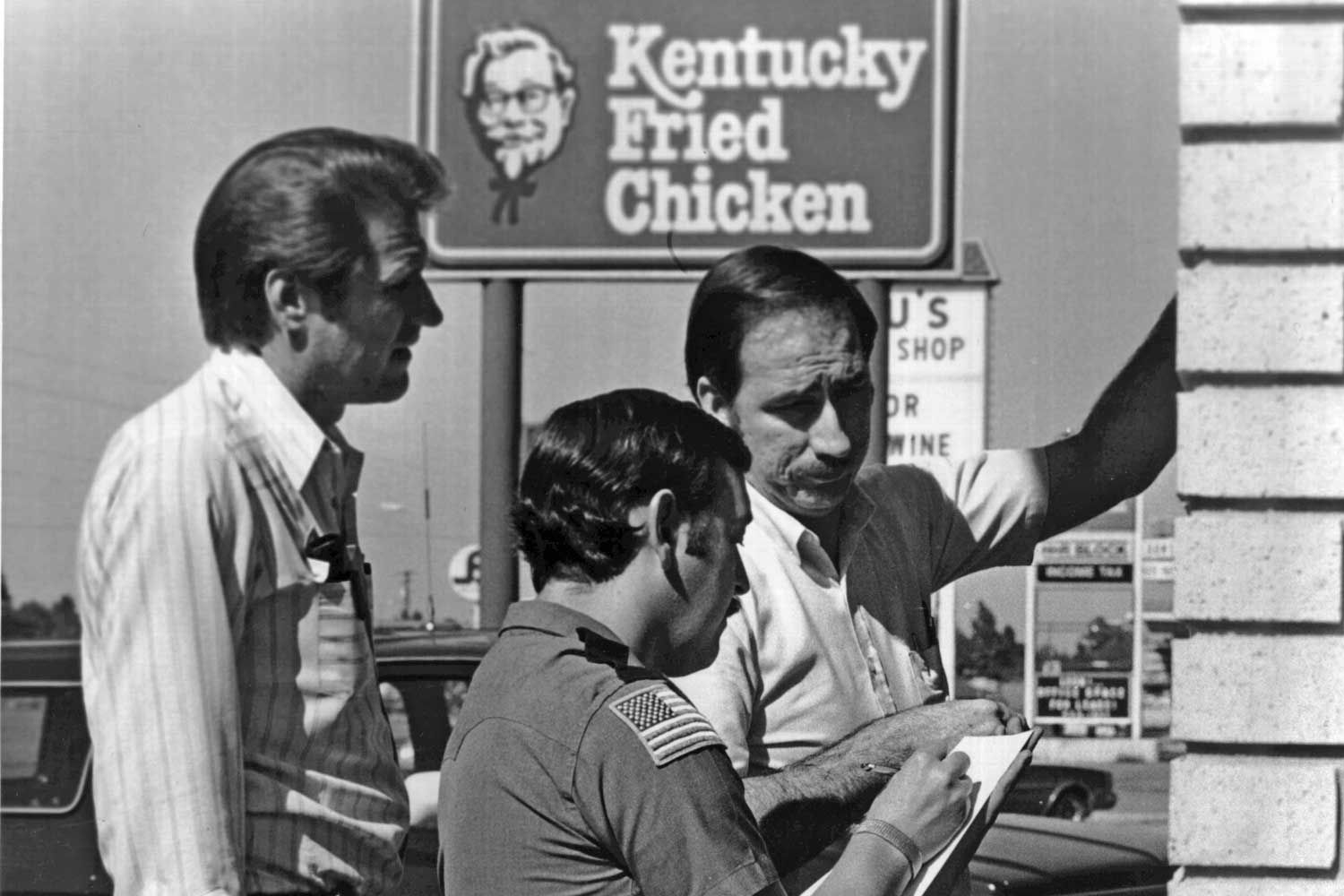
Advances in DNA genealogy helped identify the alleged third perpetrator in the killings of five people abducted from a Kentucky Fried Chicken restaurant in East Texas in 1983
NEED TO KNOW
- Five people were abducted from a Kentucky Fried Chicken restaurant in Kilgore, Texas, during a 1983 robbery before being found shot to death at a remote oil field
- Two men were convicted in the killings in 2007 and 2008, but investigators said a third DNA profile remained unidentified for decades
- Authorities said advances in DNA genealogy ultimately identified Devan Riggs as the alleged final perpetrator years after his death
More than four decades after five people were abducted from a Kentucky Fried Chicken restaurant in East Texas and killed at a remote oil field, investigators say advances in DNA genealogy have finally identified the last alleged perpetrator in one of the state’s most infamous mass murders.
The Sept. 23, 1983 killings — known for decades as the “KFC murders” — left Opie Hughes, 39, Mary Tyler, 37, Joey Johnson, 20, David Maxwell, 20, and Monty Landers, 19, dead after they were kidnapped from the Kilgore restaurant during an armed robbery, according to a December statement from the Texas Department of Public Safety.
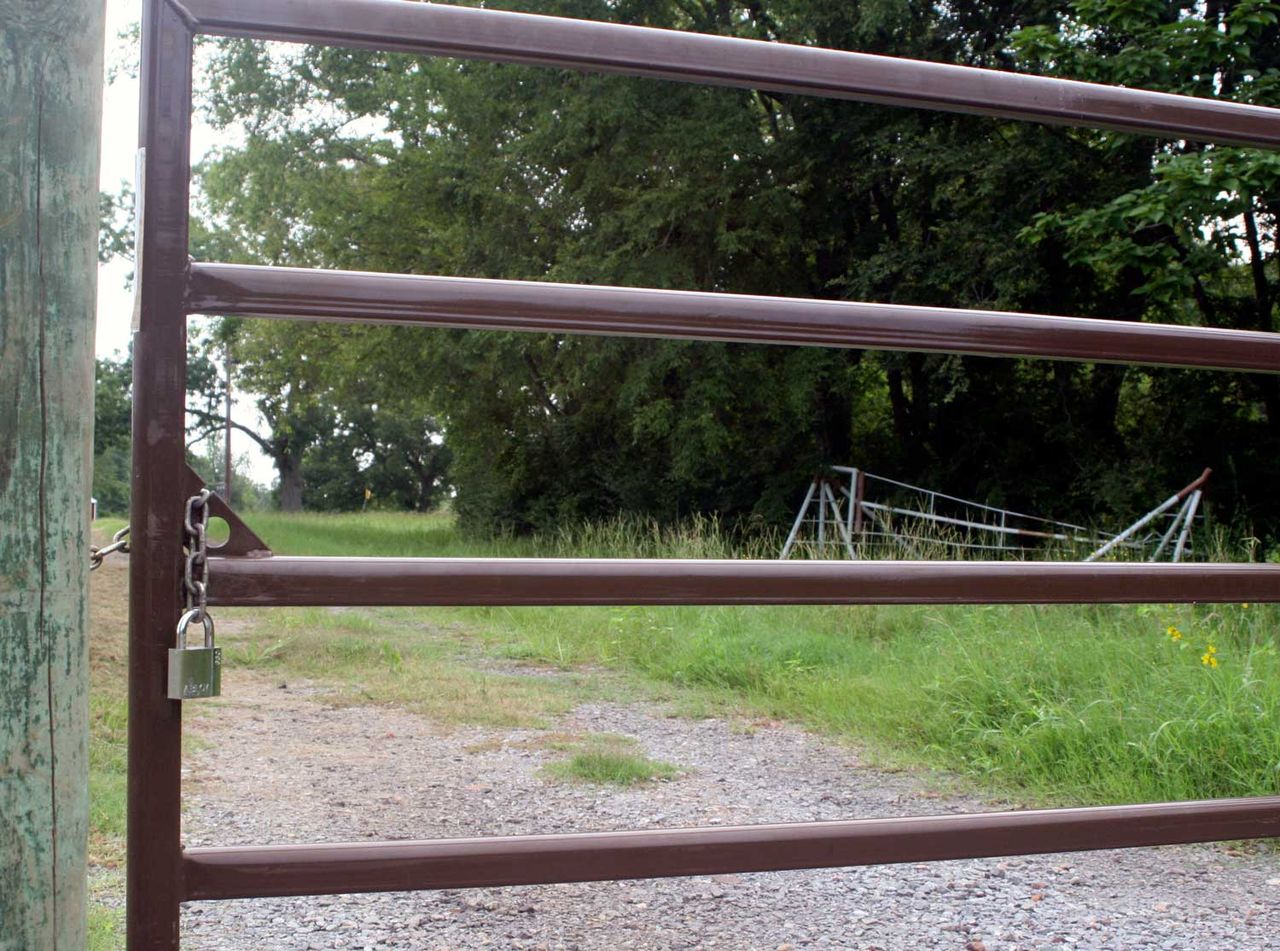
Authorities said the victims were driven to a remote oil field in rural Rusk County, where they were shot in the back of the head “execution-style," per the statement. Hughes was also sexually assaulted.
According to the Longview News-Journal, about $2,000 was stolen from the restaurant.
Tyler managed the restaurant, while Hughes, Johnson and Maxwell were employees, the outlet reported. Landers had reportedly accompanied Maxwell to the restaurant that night to visit Johnson.
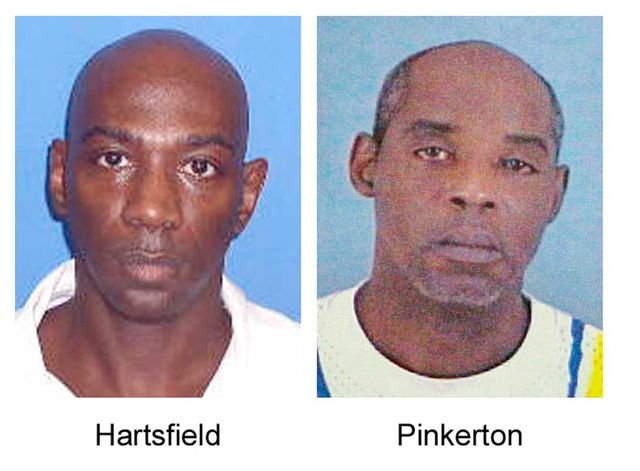
In 2007 and 2008, two men — Romeo Pinkerton and Darnell Hartsfield — were convicted in the killings using DNA evidence collected from the scene. But another DNA profile recovered from Hughes’ clothing did not match either man, suggesting a third perpetrator remained unidentified for decades, according to the Texas DPS statement.
That mystery was finally solved in November 2025, when investigators identified Devan Riggs through advanced DNA testing and forensic genealogy, the agency announced.
Riggs had been dead for more than a decade by the time investigators identified him, officials said, meaning no arrest will be made and the case is now considered closed.
However, the path to identifying Riggs was far from straightforward.
During a November news conference announcing the breakthrough, Rusk County District Attorney Micheal Jimerson said the investigation was derailed early on by a mistaken interpretation of evidence recovered during autopsies, according to the Longview News-Journal.
Credit: Mike Graczyk/AP
“At autopsy, a fingernail fell from the belt loop of one of the victims,” Jimerson said, per the outlet. A pathologist mistakenly believed the nail belonged to a perpetrator rather than one of the victims, he said, sending investigators down “a very lengthy wrong path.”
The error helped fuel years of suspicion surrounding Jimmy Earl Mankins Jr., a Kilgore man who was later cleared through DNA testing.
Mankins, who is now deceased, was at one point indicted because investigators believed a torn fingernail he had matched evidence recovered from the crime scene, according to the outlet.
But advances in DNA testing eventually proved the fingernail actually belonged to victim Mary Tyler.
“That technology allowed us to avoid a potential miscarriage of justice,” former Assistant Texas Attorney General Lisa Tanner said during the news conference, per the outlet.
Authorities said the case evolved alongside decades of advances in forensic science.
In the mid-1990s, DNA testing helped investigators eliminate the fingernail theory. Then, after criminal DNA databases expanded in the early 2000s, investigators identified blood inside the KFC restaurant that matched Pinkerton and Hartsfield, according to Tanner and the Longview News-Journal.
Still, another unidentified DNA sample recovered from Hughes’ clothing remained unsolved.
Investigators ultimately excluded 231 suspects while trying to identify the person connected to that sample, Tanner said, according to the outlet.
The DPS said the Texas Rangers revisited the evidence through the Sexual Assault Kit Initiative program in 2023. In 2024, DNA from Hughes’ clothing was sent to Bode Technologies for advanced testing and genealogy analysis.
Authorities later narrowed the sample to one of three deceased Riggs brothers before additional testing identified Devan Riggs as the source of the DNA, according to the DPS and the Longview News-Journal.
Investigators alleged Riggs sexually assaulted Hughes and participated in the murders alongside Pinkerton and Hartsfield.
During a separate investigation weeks after the killings, authorities recovered stolen items, while Devan Riggs’ brother allegedly told investigators the pair had stolen multiple vans and that he had last seen Riggs with a .357 handgun — the same general class of weapon believed to have been used in the killings, according to the Longview News-Journal.
“So, we will not be having another Kentucky Fried Chicken murders trial … but at least we know,” Tanner said during the November announcement, per the outlet.
Read the full article here