
“I would have done anything to take her pain away,” Kaylee Massey tells PEOPLE
Credit: Pixie Lu Photography
NEED TO KNOW
- Kaylee Massey lost her 15-month-old daughter, Poppy, to a rare and fatal neurological disease after a rapid decline
- When Poppy’s heart stopped and she was placed on a ventilator, Kaylee and her husband made the heartbreaking decision to let her die “peacefully”
- Now, the 36-year-old mother of three shares Poppy’s story online while finding support and purpose through the community that has helped her navigate life after loss
Kaylee Massey had no reason to think anything was wrong when she brought her daughter Poppy home from the hospital in February 2022. But within months, subtle developmental concerns gave way to a devastating diagnosis: TBCD leukodystrophy, a rare genetic disorder that can cause progressive damage to the brain and nervous system.
Poppy’s condition deteriorated rapidly after her diagnosis at 9 months old, eventually leaving her unable to eat independently and with very little movement. When a respiratory illness led to a hospital stay and Poppy’s heart stopped, Kaylee tells PEOPLE that she and her husband, Jake, faced the “impossible decision to let her go peacefully.”
“With our own eyes, as well as what all providers and specialists had told us, we saw the gravity of her diagnosis,” Kaylee, 36, says. “It was the definition of hopeless. There was no cure, no treatments, nothing that would stop or slow her disease.”
@poppy_and_kaylee
One year….one painful hard heavy year but one year closer to being reunited #childloss #bereavedmother #tbcd #leukodystrophy #tbcdawareness #griefjourney #oneyear
♬ Bigger Than The Whole Sky – Taylor Swift
For the Masseys, there was nothing at first to suggest that their newborn daughter would face a life-limiting neurological disease. “I think what most people don’t understand is we assumed everything was fine when she was born,” Kaylee emphasizes.
It was when Poppy was around 4 months old that the family noticed her vision was not developing as expected. Further testing revealed problems with the development of the corpus callosum, the structure that connects the brain’s two halves.
She continued to receive additional diagnoses, including microcephaly, or an unusually small head size, and cerebral visual impairment, before genetic testing finally identified TBCD leukodystrophy.
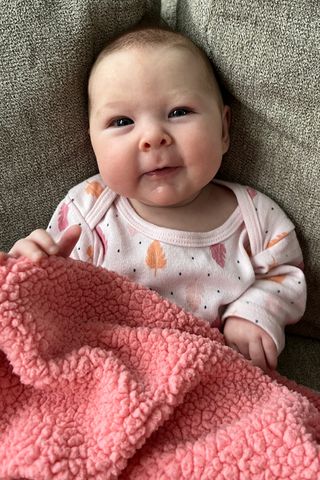
In Poppy’s case, the changes came quickly. In the six months after her “terminal” diagnosis, she lost the ability to suck and feed on her own, lost movement in her legs and eventually had very little mobility in her arms.
Credit: Kaylee Massey
Poppy was receiving palliative care, with the focus on keeping her comfortable and preserving her quality of life. For Kaylee and Jake, that meant wanting their daughter surrounded by the people who loved her rather than subjected to interventions that would prolong her suffering.
“We wanted her to be comfortable, loved, at home, in our arms and all together as a family,” Kaylee says.
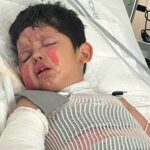
In April 2023, however, Poppy became seriously ill with a respiratory infection and was hospitalized, where she suffered cardiac arrest and required CPR. Doctors were ultimately able to restart her heart, but in order to keep her breathing, she would have needed to be placed on a ventilator.
After witnessing what her daughter’s body had endured, Kaylee and Jake had to decide whether continuing intensive medical intervention was consistent with the life they had hoped to give Poppy. In the end, they chose to withdraw care and allow her to die peacefully.
“While Poppy was here, I would have done anything to take her pain away. After she died, in some ways it felt like the pain changed hands. She was no longer suffering, but I was left carrying the grief and trauma of losing her,” Kaylee says.
Poppy died on April 30, 2023, just days shy of 15 months old.
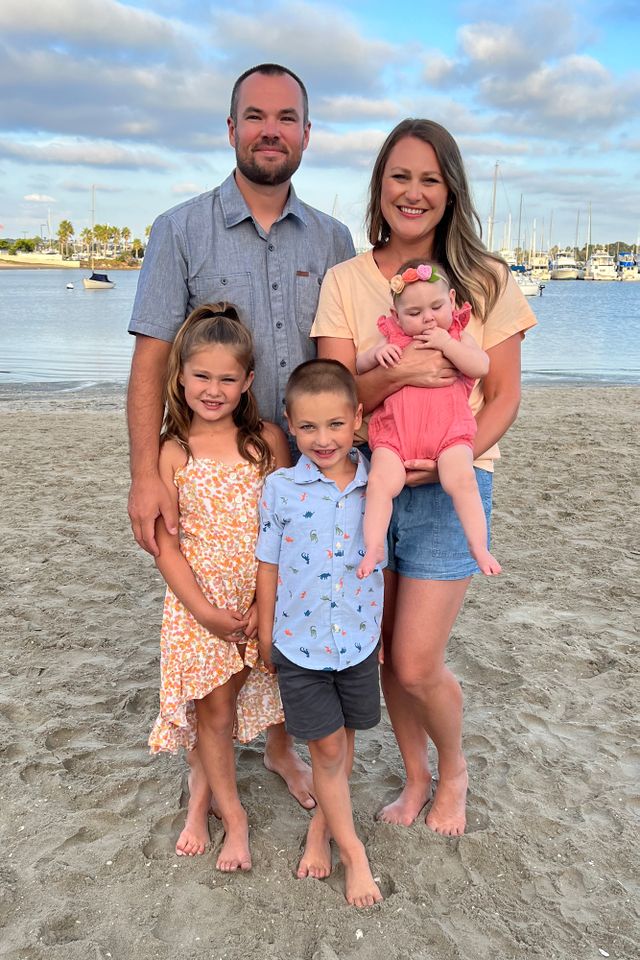
Credit: Kaylee Massey
Kaylee had already begun sharing Poppy’s life online before her diagnosis, initially using the platform to document life as a medical parent. But over time, it grew into a community of support.
“Poppy had eyes where you could see into her soul and her personality was bigger than her body. What amazed me was how many people online could see and feel that as well,” Kaylee says. “Poppy was so loved by our community.”
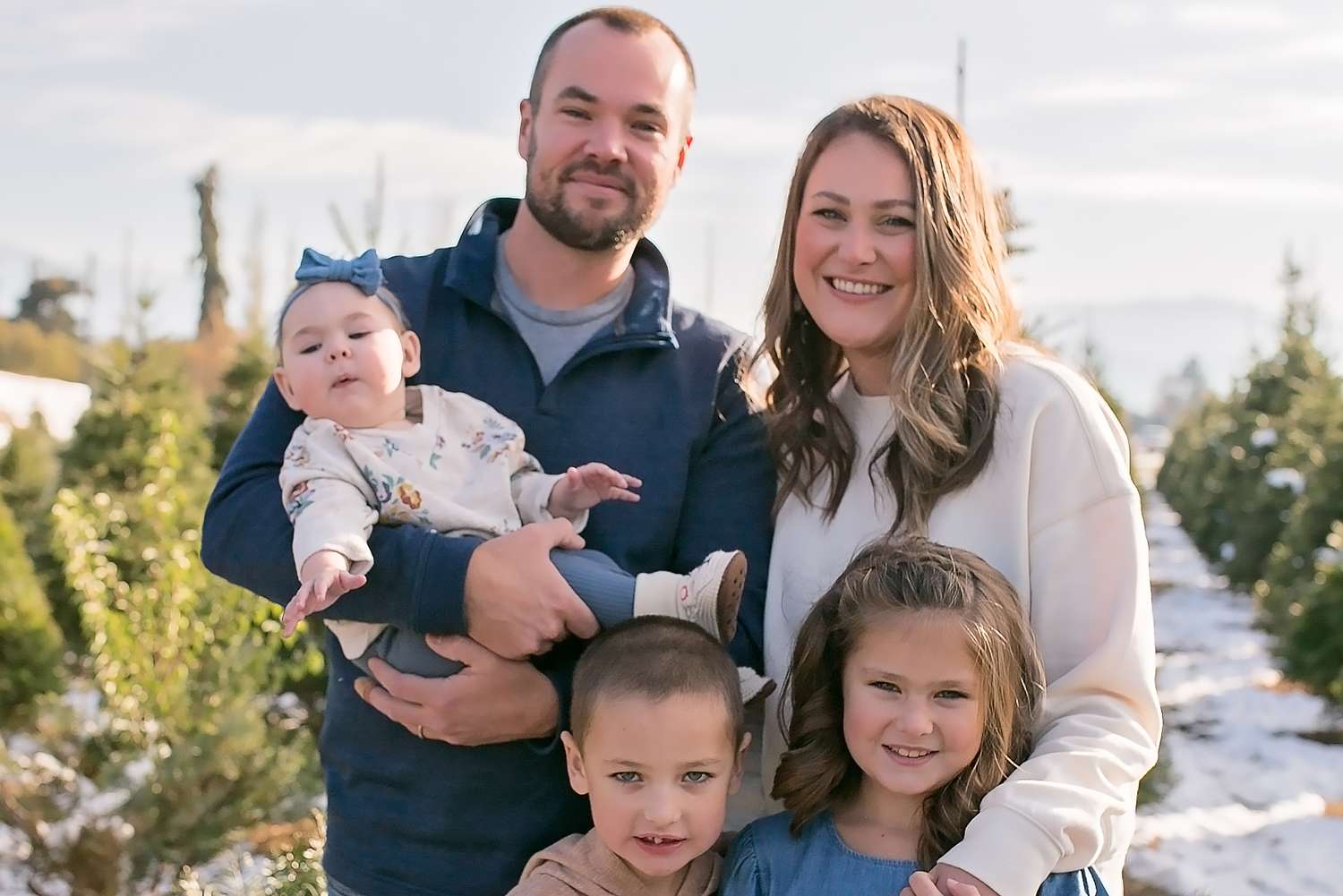
Today, Kaylee continues making videos about Poppy, motherhood and grief, all while raising her other children, Rosie and Peter. She is “thoughtful and intentional” about what she shares and tries to share her family’s story without suggesting there is one correct way to grieve.
“I heard a quote that says ‘life doesn’t need more advice, it needs more storytellers’ and I try to apply that,” she explains. “I try to share from my perspective and be a storyteller of mine and Poppy’s story.”
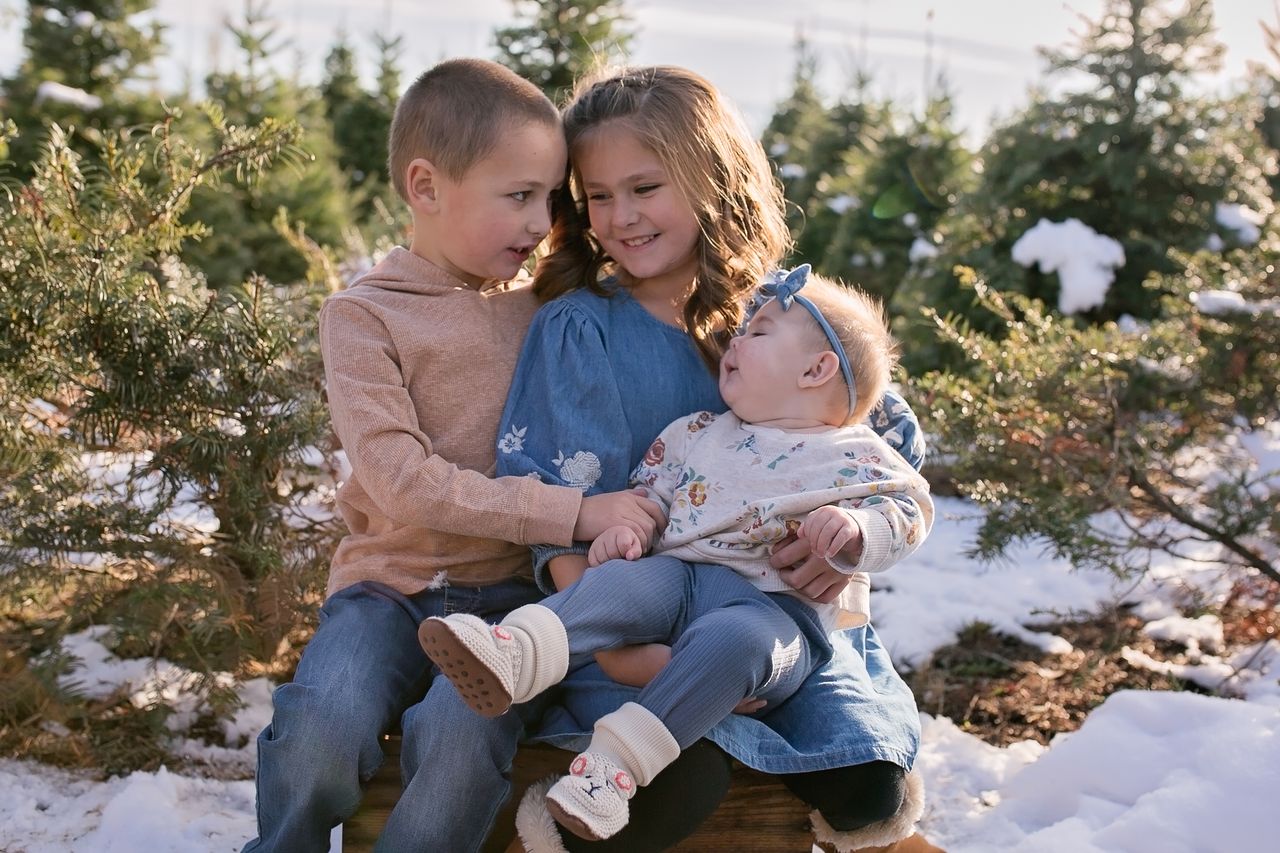
Credit: Pixie Lu Photography
Never miss a story — sign up for PEOPLE’s free daily newsletter to stay up-to-date on the best of what PEOPLE has to offer, from celebrity news to compelling human interest stories.
For Kaylee, continuing to talk about Poppy is not about leaving the past behind, but finding a way to carry her daughter forward. She knows there are no words that can ease the pain of losing a child, but hopes her experience can offer companionship in that loneliness.
“More than anything, I hope [viewers] find ways to keep their child’s love present in their lives,” she tells PEOPLE. “I try to share what that looks like for me, not because there’s a right way to grieve but because I hope seeing me continue to carry Poppy’s love with me might help others find their own way to carry theirs.”
Read the full article here