

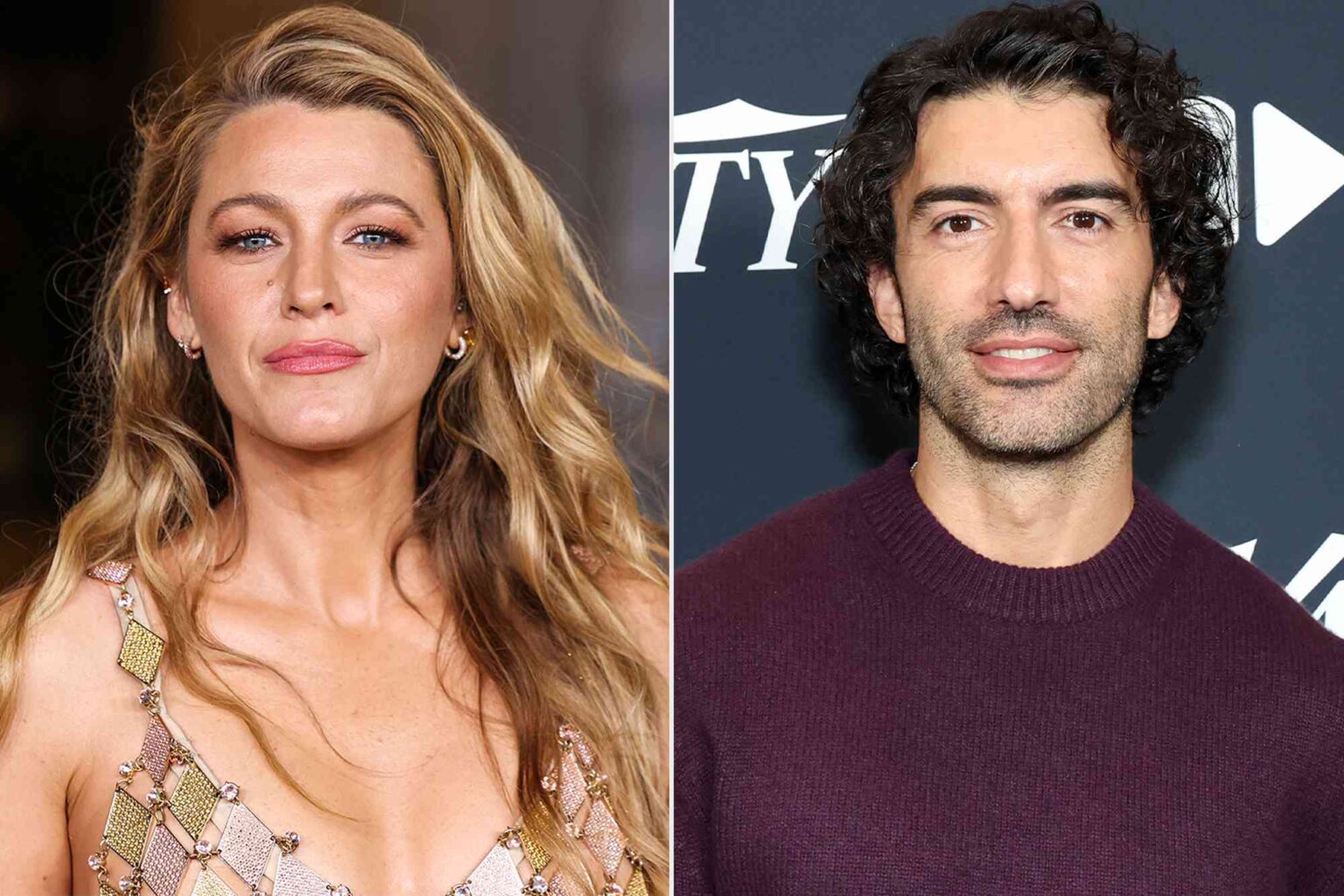
"We acknowledge the process presented challenges and recognize concerns raised by Ms. Lively deserved to be heard," read a joint statement from lawyers on both sides
Credit: Image Press Agency/NurPhoto/Shutterstock ; Araya Doheny/Variety via Getty
NEED TO KNOW
- Blake Lively and Justin Baldoni’s Wayfarer parties reached a settlement on Monday, May 4
- The trial was set to begin May 18
- Terms of the agreement were not immediately disclosed, but lawyers from both sides issued a joint statement
Blake Lively and Justin Baldoni's Wayfarer parties have reached a settlement in their contentious legal dispute stemming from the 2024 film It Ends With Us.
On Monday, May 4, Wayfarer lawyers Bryan Freedman and Ellyn Garofalo along with Lively's attorneys Michael Gottlieb and Esra Hudson shared a joint statement confirming they reached a settlement, two weeks before it was set to go to trial in New York.
"The end product — the movie It Ends With Us — is a source of pride to all of us who worked to bring it to life," reads the statement. "Raising awareness, and making a meaningful impact in the lives of domestic violence survivors — and all survivors — is a goal that we stand behind."
"We acknowledge the process presented challenges and recognize concerns raised by Ms. Lively deserved to be heard. We remain firmly committed to workplaces free of improprieties and unproductive environments," continued the joint statement. "It is our sincere hope that this brings closure and allows all involved to move forward constructively and in peace, including a respectful environment online."
Terms of the agreement were not immediately disclosed.
In April, U.S. District Judge Lewis Liman dismissed 10 of Lively’s claims, including sexual harassment, defamation and civil conspiracy, while allowing claims for retaliation, aiding and abetting retaliation and breach of contract to proceed. Baldoni was no longer named as a defendant on the remaining claims, which had been set to begin trial May 18.
In his ruling, Liman determined that Lively was an independent contractor rather than an employee, meaning she could not bring sexual harassment claims under Title VII of the Civil Rights Act of 1964, which prohibits workplace discrimination, including on the basis of gender.
In analyzing the allegations, the judge said the conduct must be viewed in the context of the film the actors were making. Liman further noted that “creative artists … must have some amount of space to experiment within the bounds of an agreed script without fear of being held liable for sexual harassment.”
Still, the judge allowed Lively to pursue claims related to an alleged retaliatory smear campaign, writing that the conduct by Baldoni’s PR team “at least arguably crossed the line.” He added that the reputational impact could be significant, noting that Lively’s profession “places a heavy emphasis on personal and professional marketability.”
The dispute began in December 2024, when Lively filed a complaint with the California Civil Rights Department against Baldoni — the film’s director and costar — accusing him of sexual harassment on set. She also alleged that Baldoni and his production company, Wayfarer Studios, engaged in a “social manipulation” campaign to “destroy” her reputation. Baldoni denied the allegations and later filed a $400 million countersuit, which was later dismissed.
Lively alleged she lost nearly $300 million after being labeled a “bully” and “mean girl” across media and social platforms. She claimed Baldoni’s production company and his PR firm, TAG, retaliated against her after she came forward with allegations of “harassing conduct.”
Read the full article here