

A federal jury determined on April 15 that Ticketmaster and its parent company are in violation of federal and state antitrust laws
Credit: Jonathan Raa/NurPhoto via Getty
NEED TO KNOW
- A federal jury found on April 15 that Ticketmaster and Live Nation have violated antitrust laws by operating as an illegal monopoly
- The verdict could lead to significant penalties including damages, divestments or splitting the two companies
- Live Nation Entertainment responded to the ruling in a statement, saying, “The jury’s verdict is not the last word on this matter”
A jury determined Ticketmaster and Live Nation have been operating as an illegal monopoly in a move that could reshape the concert business.
On Wednesday, April 15, a federal jury in New York City decided that Live Nation Entertainment Inc. and its subsidiary — Ticketmaster LLC, which is widely considered the biggest platform in live event ticket sales — have been operating as an illegal monopoly over major concert venues, according to the Associated Press.
Following four days of deliberations in the closely watched trial, the jury in the civil case determined that the concert industry titan is in violation of federal and state antitrust laws, The New York Times reported.
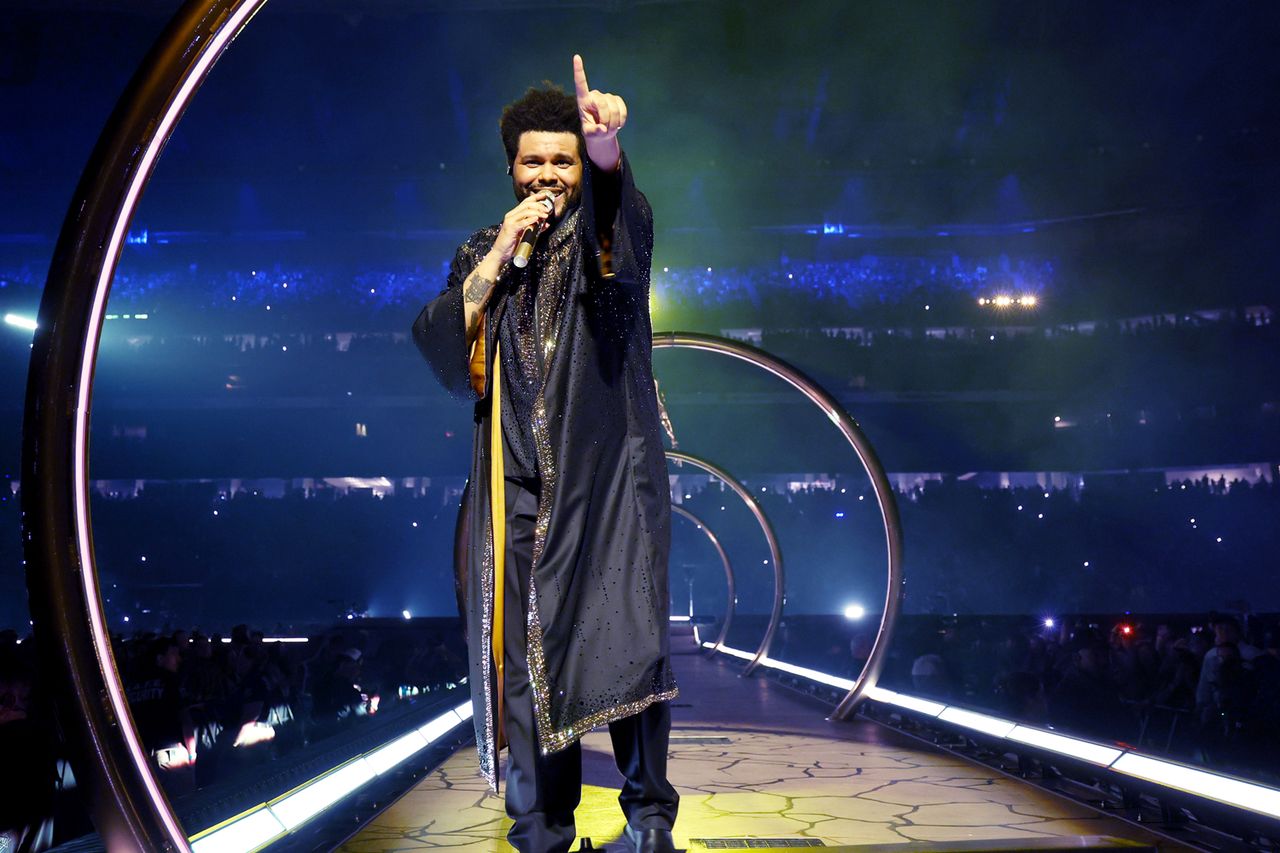
Credit: Kevin Mazur/Getty for Live Nation
According to The Times, Judge Arun Subramanian, who is overseeing the case, will determine remedies — including damages.
The AP reported that the Wednesday verdict may see Live Nation lose hundreds of millions of dollars from one decision alone, citing the jury's determination that Ticketmaster overcharged customers in 22 states $1.72 per ticket. (The Ticketmaster parent company sold 646 million tickets worldwide last year, The Times reported, citing case testimony.)
Penalties or divestments may also be on the horizon, as could a split of Live Nation and Ticketmaster, according to the outlets.
The latter would be a win for the federal government, which sought to break up the company when the Justice Department kicked off the case by filing an antitrust lawsuit against Live Nation nearly two years ago, in May 2024.
“We allege that Live Nation relies on unlawful, anticompetitive conduct to exercise its monopolistic control over the live events industry in the United States at the cost of fans, artists, smaller promoters, and venue operators,” said Attorney General Merrick B. Garland in a statement at the time. “The result is that fans pay more in fees, artists have fewer opportunities to play concerts, smaller promoters get squeezed out, and venues have fewer real choices for ticketing services. It is time to break up Live Nation.”

Credit: Kevin Mazur/Getty for Live Nation Entertainment
Throughout the trial, Live Nation denied the government's claims that it threatens music venues to sign deals with Ticketmaster using its popular tours, according to The Times. Live Nation also repeatedly insisted that it competes aggressively in a bustling market, but is not a monopoly, the outlet reported.
During closing arguments, one of Live Nation's lawyers, David R. Marriott, stated, “We are fierce competitors,” per The Times.
“We are trying to win the business,” the lawyer told the jury.
"It's a great day for antitrust law. It's a great day for consumers," Jeffrey Kessler, an attorney for the states, told NBC News outside of the courtroom following Wednesday's verdict. "This case is a tribute to the 34 states and the District of Columbia who carried this case forward and it was my great honor to be working with them together on this."
Following the ruling, Live Nation Entertainment issued a statement.
"The jury’s verdict is not the last word on this matter. Pending motions will determine whether the liability and damages rulings stand. Live Nation will soon renew its motion for judgment as a matter of law, which the Court deferred until after the jury returned its verdict. That motion addresses all liability theories. The Court previously noted that Live Nation’s motion raises serious issues," LNE wrote in the statement, which PEOPLE obtained.
"There is also a pending motion to strike the damages testimony on which the jury’s award was based. The Court deferred ruling on that motion as well, while noting significant concerns with the damages expert’s analysis. Of course, Live Nation can and will appeal any unfavorable rulings on these motions."
The statement continued: "The jury’s award of $1.72 per ticket applies to a limited number of tickets — those sold at 257 venues, which represent about 20% of total tickets—and only to purchases by fans (excluding brokers) in certain states over the past five years. Based on that scope, we believe the aggregate single damages figure would be below $150 million, which would be trebled. In connection with the DOJ settlement, Live Nation has already accrued $280 million toward state damages and civil penalty claims.
Injunctive relief will be determined by the Court after the states make a remedy proposal, which we expect in the coming weeks," the LNE statement concluded. "In the meantime, the Tunney Act proceedings regarding the DOJ settlement will continue. We remain confident that the ultimate outcome of the States’ case will not be materially different than what is envisioned by the DOJ settlement."
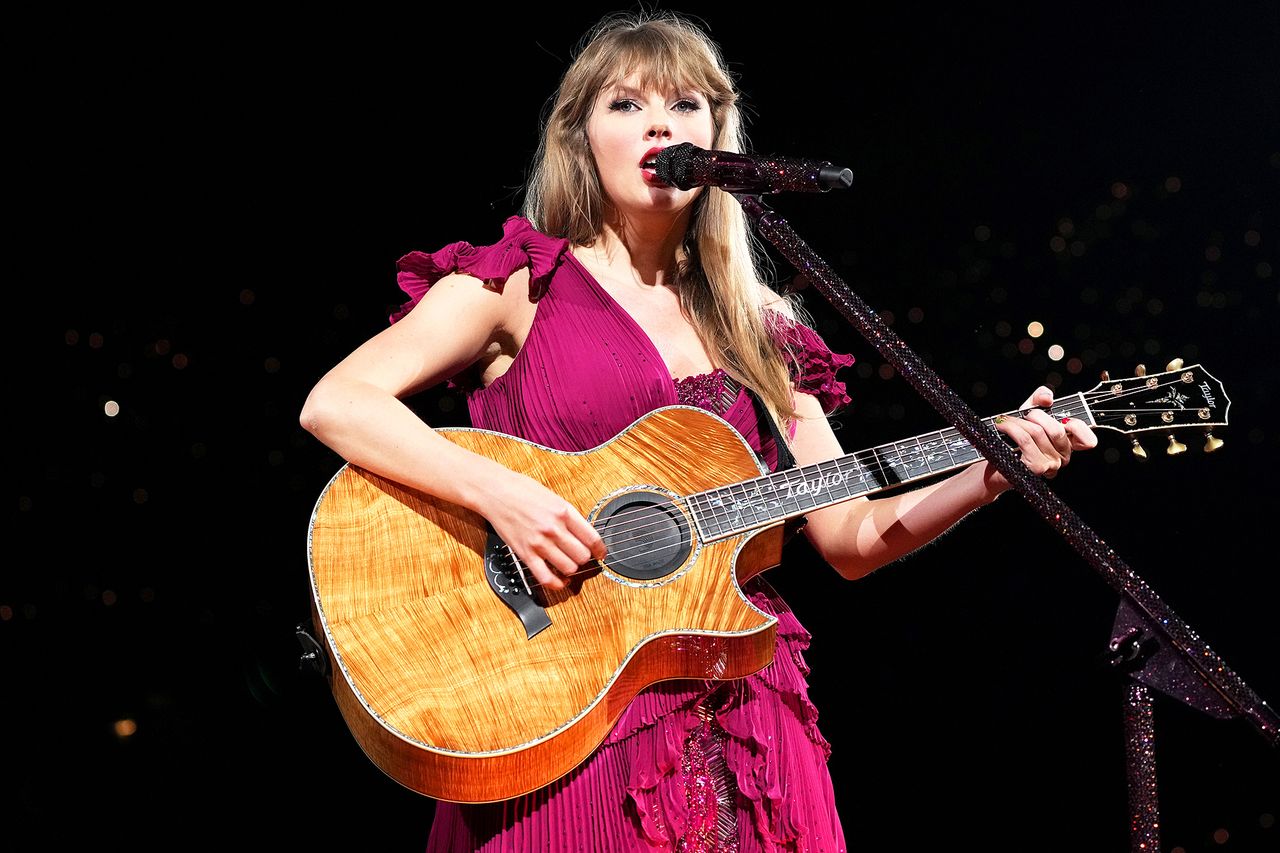
Credit: Kevin Mazur/Getty
Never miss a story — sign up for PEOPLE's free daily newsletter to stay up-to-date on the best of what PEOPLE has to offer, from celebrity news to compelling human interest stories.
Ticketmaster, which has been around since the ‘70s, merged with Live Nation in 2010.
The DOJ's initial 2024 filing came after it launched an antitrust investigation into Live Nation in 2022 after more than 2 million tickets were sold for Taylor Swift's Eras Tour through Ticketmaster's Verified Fan presale, and the company announced that a planned general sale for all other customers was canceled, The Times previously reported. Swift, 36, even called out Ticketmaster (although she didn't directly name the company), stating that the chaotic presale "really pisses me off."
At the time, Ticketmaster addressed the backlash to the Eras Tour fiasco in a statement.
"The biggest venues and artists turn to us because we have the leading ticketing technology in the world — that doesn't mean it's perfect, and clearly for Taylor Swift | The Eras Tour on-sale, it wasn't," the company said. "But we're always working to improve the ticket-buying experience. Especially for high-demand on-sales, which continue to test new limits."
Live Nation and Ticketmaster later debuted their policy for all-in pricing which provided more clarity for consumers when purchasing concert tickets, in fall 2023.
Read the full article here