


Gemma and Helen Hicks discovered they had other sisters, including Natasha Goldstein-Opasiak, after taking a DNA test
Credit: getty
NEED TO KNOW
- Three women discovered they were half sisters decades after learning they were conceived via the same sperm donor
- The sisters bonded over shared experiences and even unknowingly attended the same university at the same time
- They launched a podcast to share their story and advocate for transparency in donor conception practices
Three women found out decades after their births that they all share the same father.
Gemma and Helen Hicks were raised in Berkshire, U.K., and grew up believing that the dad they lived with was their biological father.
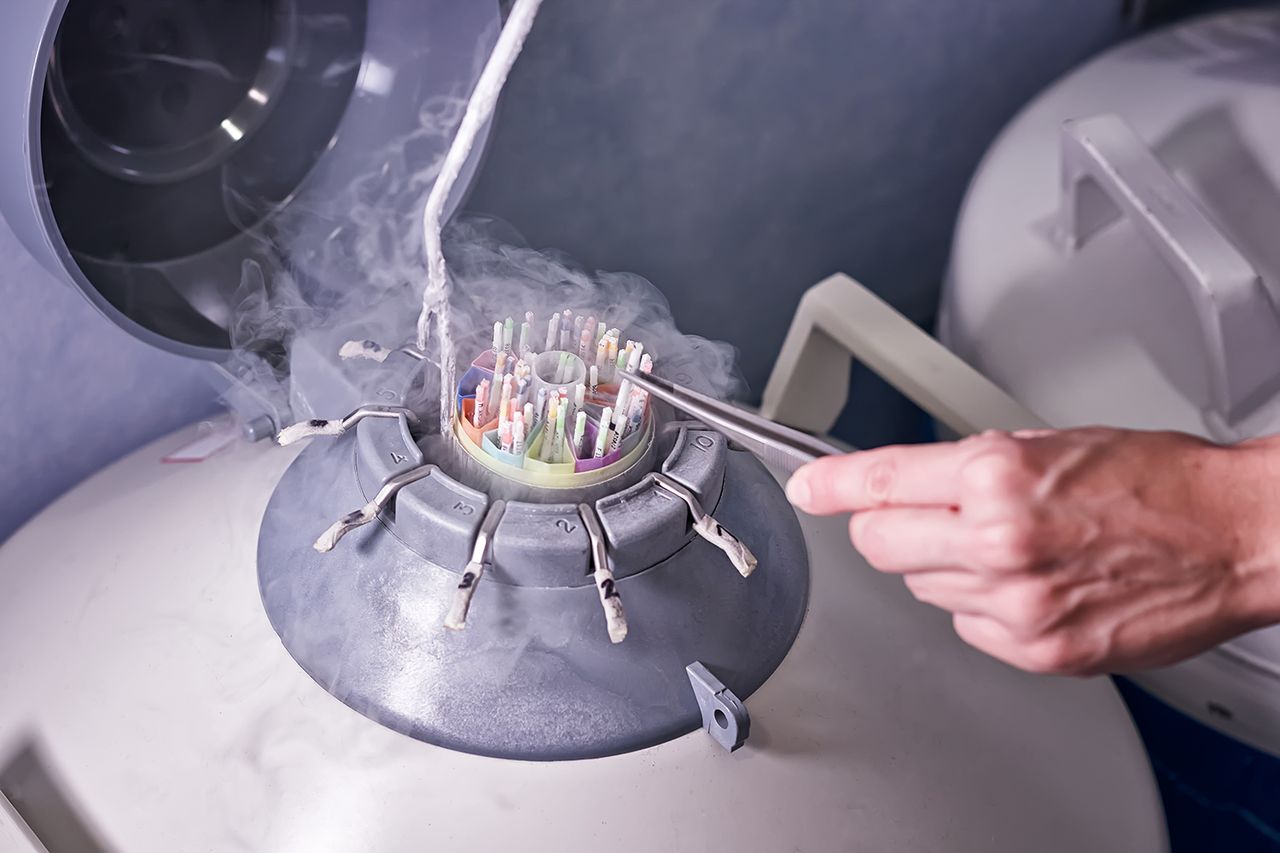
However, when the sisters were in their late 20s, they discovered their biological father was actually a sperm donor after taking a DNA test, according to the BBC. In addition to finding out they were conceived via a donor, the women also found out they have half siblings they never knew about.
Helen and Gemma have since located two other sisters who were born from the same sperm donor, including Natasha Goldstein-Opasiak, who lives in Essex, U.K.
Credit: getty
Natasha, now 36, decided to take a DNA test when she was 31 — around 10 years after finding out how she was conceived.
"I did it because I was really fascinated to find out what made up the other half of me. Never in a million year did I think I'd find siblings," Natasha explained. "You get an email notification saying you've got relatives, essentially. It's literally like Tinder, it says you've matched — here are your half sisters."
Both Gemma and Helen found a way to get in touch with Natasha, and they eventually set up a time for all of them to meet in person. For all three women, the discovery brought up questions, while also delivering answers about themselves they didn't even realize they were searching for until they took their DNA tests.
"I physically felt different, I felt like I didn't know who I was and I began to question every tiny thing that I did, wondering if it was down to my genetics," Gemma said.
Meanwhile, Helen, 35, felt a "weird overwhelming sense of calm" as she looked back at certain aspects of her life and began to understand them more.
Credit: getty
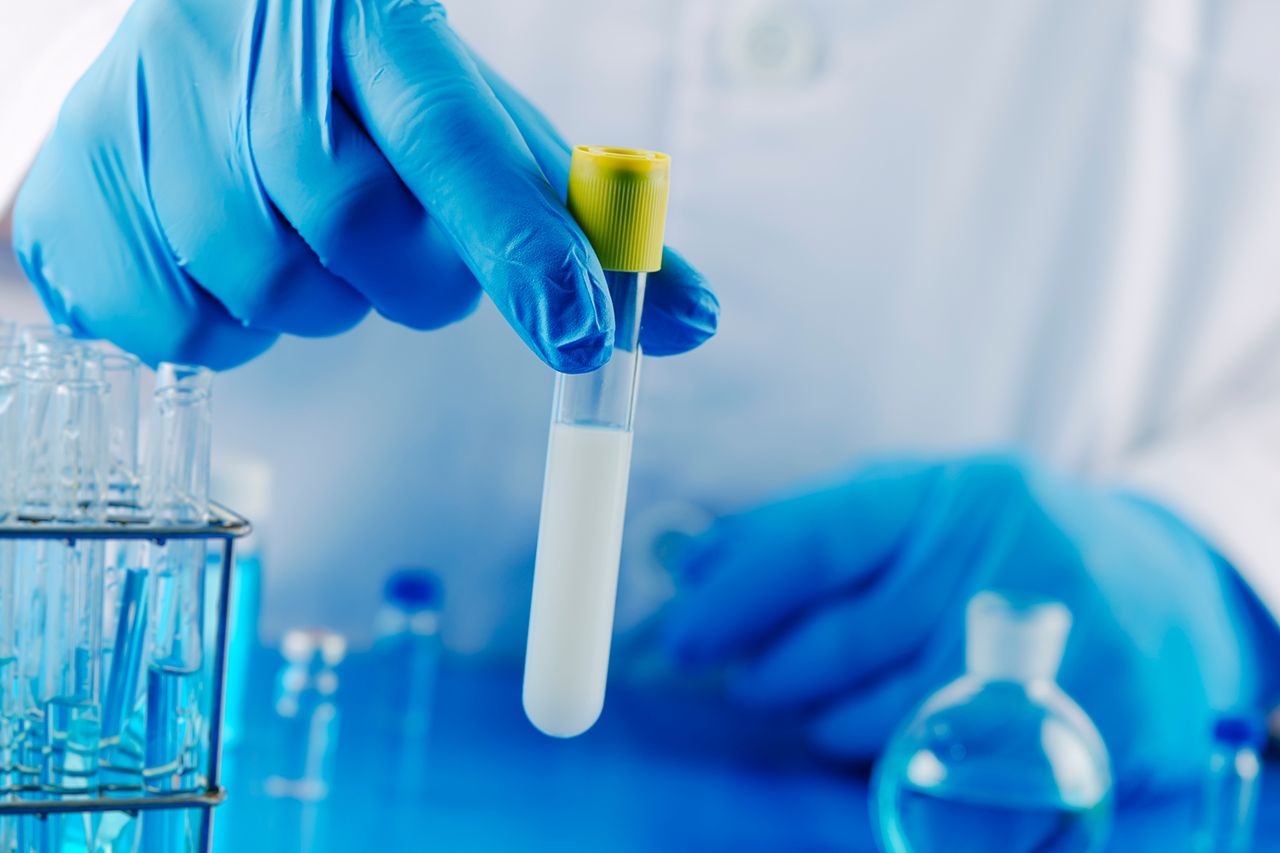
The Human Fertilization and Embryology Authority (HFEA) wasn't created until August 1991 as the U.K.'s fertility regulation organization. For people like Helen, Gemma and Natasha — all conceived before 1991 — it was common for parents to be advised to raise their children without telling them about their donor.
"Back then sperm donation was a Wild West and many parents were told to raise the child as their own, they were conditioned to not say," Gemma told the BBC.
Since Helen, Gemma and Natasha connected, the trio have dubbed themselves the "sperm sisters" and launched a podcast which has helped them build their "sisterhood." Gemma added, "We've got so much to catch up on, 30 blooming years."
After connecting, they discovered that Gemma and Natasha not only both attended the University of Leeds, the two sisters also lived in the same residence building.
"We always say that we were drawn together like magnets," Gemma shared. "It's so sad that we were denied access to each other growing up, we could have hung out and shared birthday parties. It's so sad to think so much has been missed."
She continued, "I think within a minute of sitting down at the table with Nat, we realized we talk the same way, we've got the same views on things it's quite weird, but magical."
The sisters have since discovered the identity of their biological father and were met with "kindness and positivity" upon contacting him.
Never miss a story — sign up for PEOPLE’s free daily newsletter to stay up-to-date on the best of what PEOPLE has to offer, from celebrity news to compelling human interest stories.
They are still unsure how many other siblings might still be out there though, as there was no regulation for donors to be limited to 10 families at the time of their conception.
"The HFEA has done so much work into making sure that it's regulated people get to know who their donors are," Gemma said, adding that the rise of social media sperm donors is causing it to be unregulated again. "The laws have improved so much, but sadly it feels like all of that hard work is going back on itself with the rise of things like Facebook sperm."
Helen hopes that they can be "a voice of the implications" that come from having anonymous donors, while also helping others who are in a similar situation.
"We were born in an era where there were no rules, it's not that different now," Gemma added. "I just think if we can be the voice for the next generation of donor-conceived kids, hopefully that it might inspire some parents to think twice about keeping it secret or not asking questions."
Read the full article here