

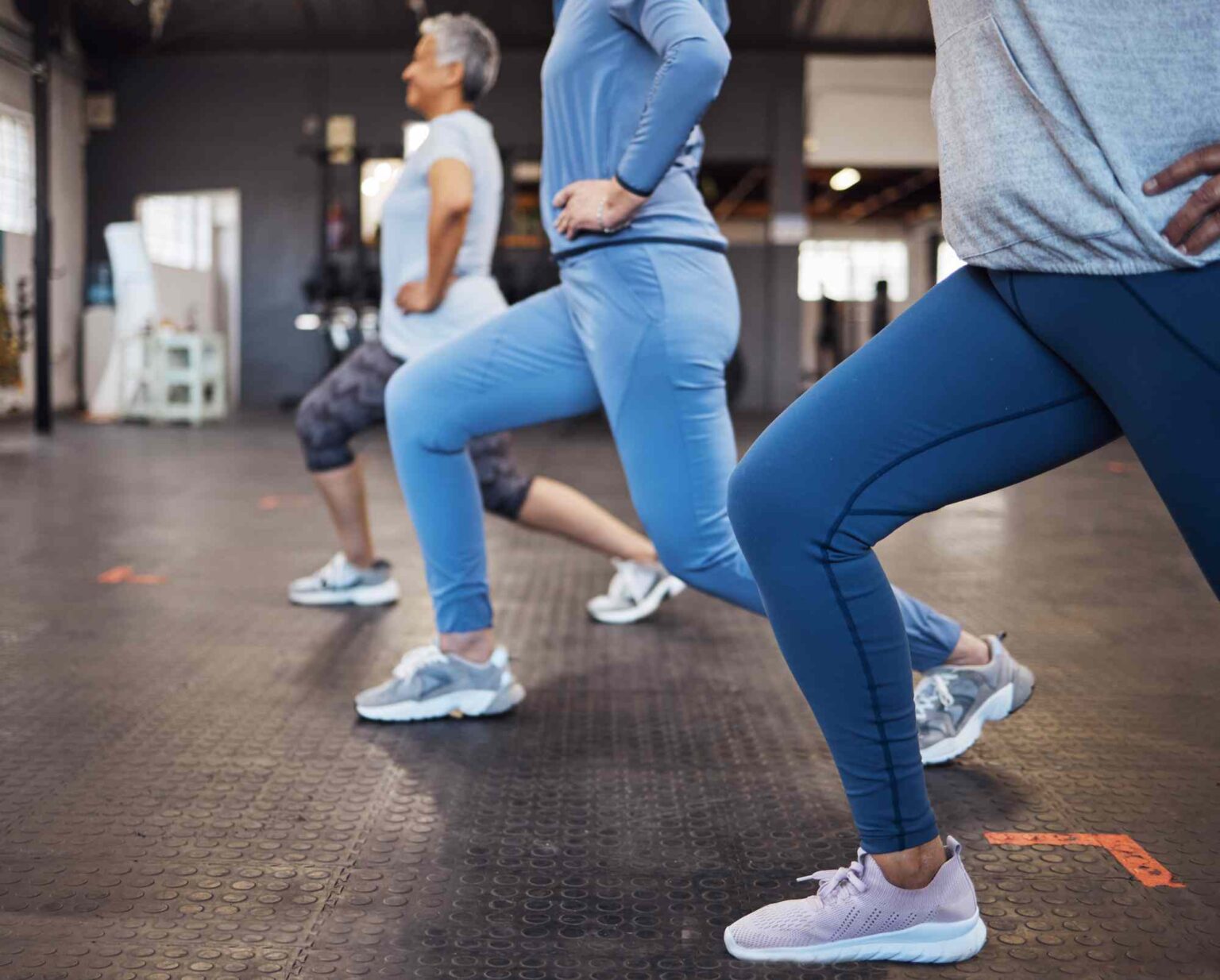
Fitness and wellness routines designed specifically for people going through menopause are launching—and helping—women everywhere
NEED TO KNOW
Key Takeaways
- Fitness and wellness brands are creating programs tailored to menopausal women, including Peloton classes and Canyon Ranch retreats
- Strength training is emphasized as essential for maintaining muscle mass, metabolism, and bone density during menopause
- Experts highlight the importance of community and education to help women feel empowered and supported through menopause
The signs and symptoms of menopause aren’t known for being particularly enjoyable; no one looks forward to things like hot flashes, impacted sleep, mood changes, brain fog, and hair loss. But could there be a hidden silver lining to all that rapid change?
“There are not a lot of benefits to declining estrogen levels,” admits Jennifer Wagner, MD, the chief health and performance officer at Canyon Ranch wellness resorts in Tucson, Ariz., and Lenox, Mass. “But one might be that we seem to lose, biologically, this strong caregiving response that estrogen promotes. There are changes to our brains that can allow us to feel more confident dedicating time to self-care. You can start to feel like you have the time and the right to invest in yourself.”
And the timing couldn’t be better: Taking care of your body can help reduce some of menopause’s most unpleasant effects, like a slower metabolism and loss of bone density. With that in mind, fitness and wellness brands have started offering programming tailored to menopausal and perimenopausal women and their unique needs.
Credit: PR / Canyon Ranch
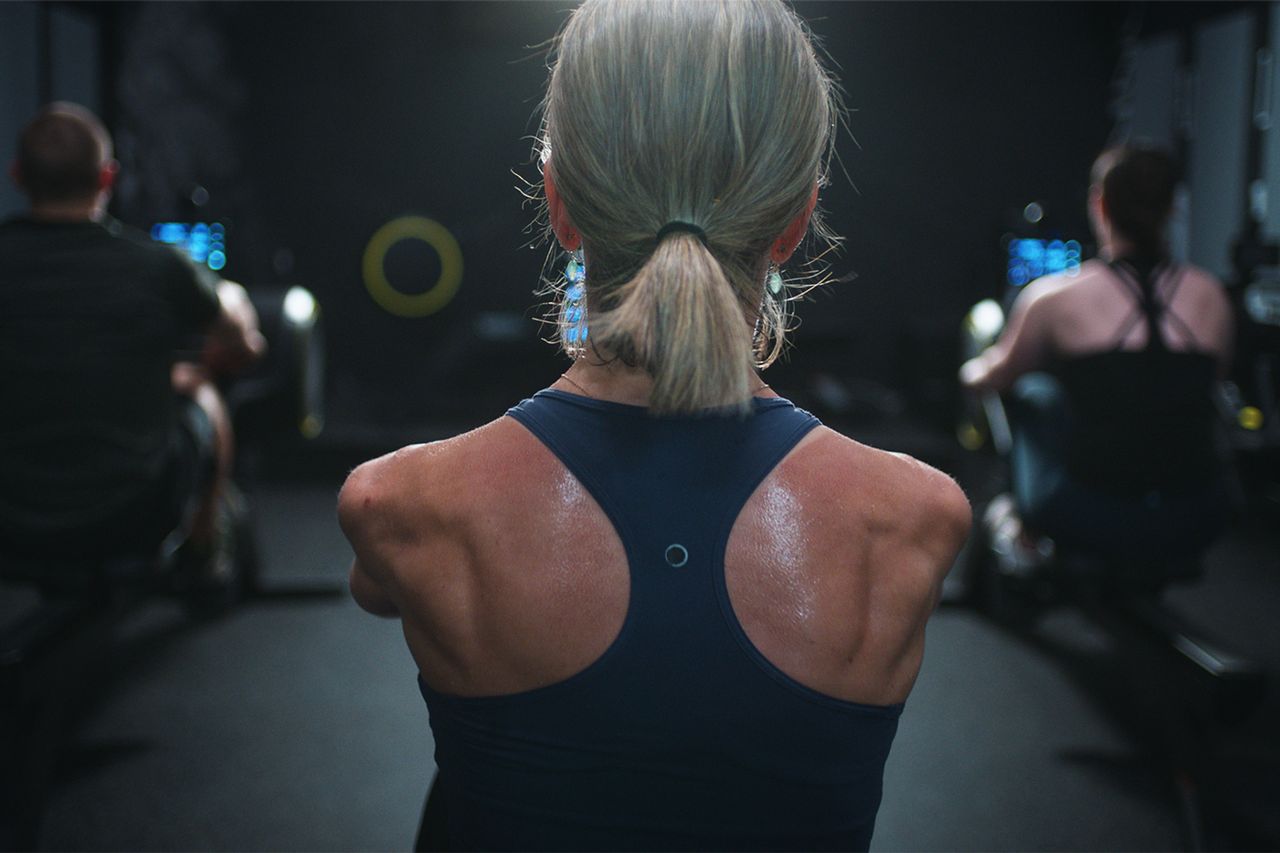
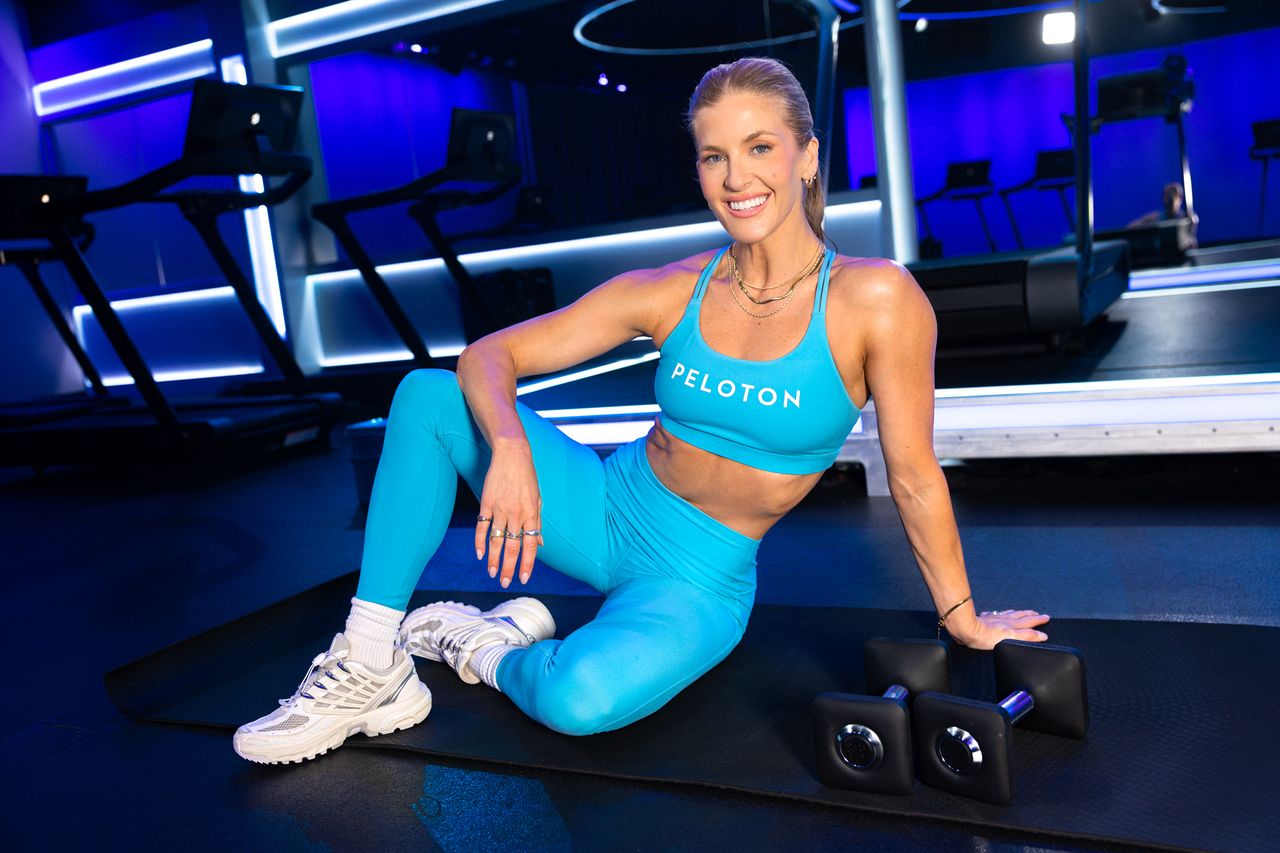
For the last year, Canyon Ranch has offered four-day, three-night retreats called M/Power at their Lenox location for menopausal and perimenopausal guests. (The next one, which runs May 6-9, will feature Top Chef judge Gail Simmons.) And global fitness brand Peloton launched a menopause series, in partnership with Halle Berry’s menopause care company Respin, featuring on-demand classes in multiple modalities, including strength training, cardio, weighted vest training, and meditation. Smaller gyms are getting in on the action, too: In Westport, Conn., the local YMCA runs classes called “MenoStrong” for their members.
“We have so many members that have either already gone through [menopause], are currently going through it, or are about to go through it,” says Rebecca Kennedy, a Peloton instructor. “It only felt natural to be able to help them.”
Credit: Peloton
All these programs have one major thing in common: strength training. “Strength training is non-negotiable,” says Kennedy. “It is one of the most powerful tools we have in midlife.”
This is because, as Kennedy explains, as we age and our estrogen levels drop, we lose muscle mass and bone density. Menopause can also impact tendons and ligaments, as the drop in estrogen and reduction in collagen production can weaken them. "Strength training [will help] preserve muscle [to] support our metabolism, and support bone density," says Kennedy, while high intensity cardio, especially when it includes things like jump training, “is really gonna help stimulate bone density."
Beth Dalen, a personal trainer who helped design the MenoStrong classes at the Westport Weston Family YMCA, says that she created the program while keeping in mind some of the injuries she sees while training residents at the local senior center.
“Our generation wants to live longer independently,” she says. “And women tend to outlive men. But we can end up in assisted living with [something like] a broken hip. We’re trying to avoid the broken hip.” Doing heavy strength work, guided by an expert (either in person or in a vetted online class) is the best defense.
If it’s news to you that strength training is the key to a healthy menopause journey, don’t worry: We've got more information about this phase of life than ever, and it's never too late to start. “Three years ago, I wouldn’t have walked into my exercise physiology room to hear people talking about creatine and weight lifting in menopause,” says Dr. Wagner. “But people are hungry for knowledge.”
Credit: Getty
These programs aim to be a source of that knowledge. M/Power retreats, for example, feature workouts and nutritious meals, yes, but they also feature one-on-one coaching on topics like mental health and treating hot flashes. “Whether it’s hormones, lifestyle, or understanding how to approach a weight room, we want people to feel really confident going forward and be able to say ‘I understand what’s right for me,’ ” says Dr. Wagner. It’s a cliche but it’s true: knowledge is power.
“One of the things we hear the most is women suddenly feel like they’ve lost a sense of control over their bodies,” says Kennedy. “What I hope is that by not just providing workouts, but providing tools, we educate our members enough to help [regain] that sense of control.”
There’s another benefit of programs like these: community. “It is culturally fed to us that this is something that we just suffer through silently—that because we all go through it, it’s normal and we don’t need to address it,” says Dr. Wagner. “But we deserve to feel good through this time in life.”
Having people to connect to, whether in person or virtually, goes a long way toward demystifying and destigmatizing the experience. In Dalen’s classes, “every week, we talk about what we are going through—we want to create an environment where we can exchange information,” she says. “When people are shy, I’ll say something about my experiences to start the conversation. I truly believe women need more support, and we need to lift the idea that it’s a taboo.”
Even if you don't yet have in-person programs like this available to you, it's still critical that you start protecting your bones and muscles now, before it's too late. Start a virtual program like Peloton's, or ask your local gym if they'd consider adding programming for older members that targets these issues.
“If you haven’t been strength training, and you get your labs back from your doctor and you’re already experiencing osteopenia, it’s going to be much harder to manage once it’s already presented itself,” says Kennedy. “But if you already have super strong bones, even if [the density] does decrease, you have a pool of strength you’re pulling from. Just start now. If you can’t start yesterday, start today.”
Read the full article here