

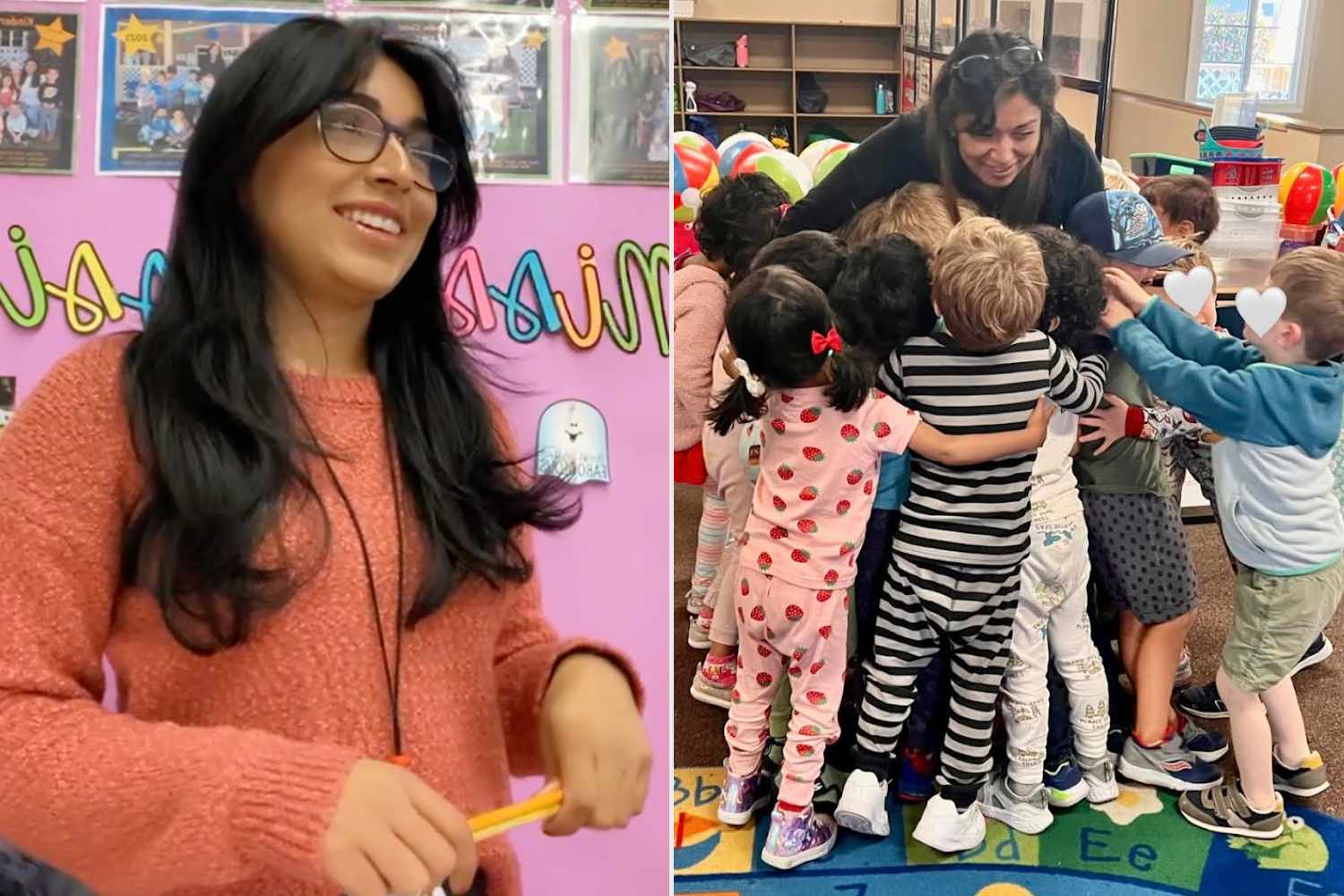
A video of Yareli Jessica Gijon having a seizure in class has gone viral reaching over 13 million views
Credit: Yareli Jessica Gijon
NEED TO KNOW
- Yareli Jessica Gijon experienced her first seizure at age 12 and was later diagnosed with epilepsy after years of uncertainty
- She has learned to manage her condition while teaching by recognizing triggers and fostering a supportive environment
- A viral video of her having a seizure in class has inspired others and sparked conversations about living with epilepsy
Yareli Jessica Gijon's first seizure while teaching happened during her third year in the classroom in 2017. Near the end of the school day, the California Bay Area resident suddenly felt an intense rush of anxiety and sensed something was wrong. It was the first time she had experienced seizure symptoms at work, and she was genuinely scared.
For Gijon, the frightening moment at school brought her back to the beginning of a journey she has been navigating for more than two decades. She was just 12 years old when she experienced her first seizure — a convulsive episode that happened in her sleep without any warning signs.
Afterward, she underwent multiple hospital visits, tests and consultations with doctors and neurologists before eventually being diagnosed with epilepsy. According to the Mayo Clinic, symptoms of seizures can include short-term confusion, staring spells, stiff muscles and jerking movements of the arms and legs.
“One of the most challenging aspects of this journey was the uncertainty surrounding the cause of my seizures,” Gijon, now 33, tells PEOPLE exclusively. “We attempted various medications and treatments, but for a long time, nothing seemed to provide complete relief.”
Credit: Yareli Jessica Gijon
At the time of her diagnosis, Gijon says awareness and accessible information surrounding epilepsy were far more limited than they are today, making the experience especially isolating for both her and her family. By the time she was 15, her seizures had become more frequent and unpredictable, often disrupting daily life.
After years of hospital visits, failed treatments and increasingly unpredictable seizures, Gijon finally experienced a turning point at 18, when she found a medication that worked for her.
“For the first time in years, life began to feel more normal,” she says. “My seizures became less frequent, and I gained greater independence.”
There was even a period in early adulthood when Gijon remained seizure-free for several years, leading doctors to believe she may have outgrown the condition — though that ultimately wasn't the case. Over time, however, she developed a deeper understanding of her epilepsy, learning to recognize her triggers and warning signs. Her diagnosis has since evolved into focal epilepsy, including sleep-related hypermotor epilepsy and focal aware seizures.
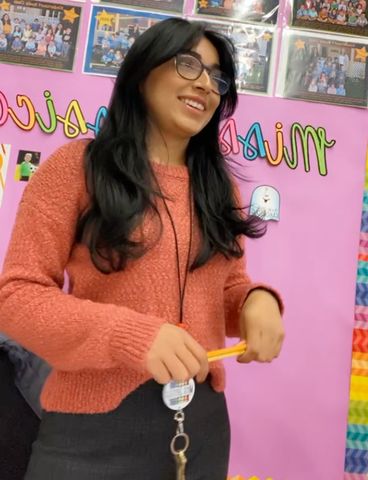
By the time she entered the classroom as a teacher, Gijon had become far more aware of her triggers and warning signs. So when she began feeling symptoms at school that day in 2017, she immediately alerted her co-teacher, who stepped in to help with the class while she moved to a more private space.
“Having that support around me made a tremendous difference in that moment,” she says.
“By sharing my condition with trusted colleagues, I created a safer environment for myself and felt less alone and fearful in the event of an unexpected seizure,” she adds.
Credit: Yareli Jessica Gijon
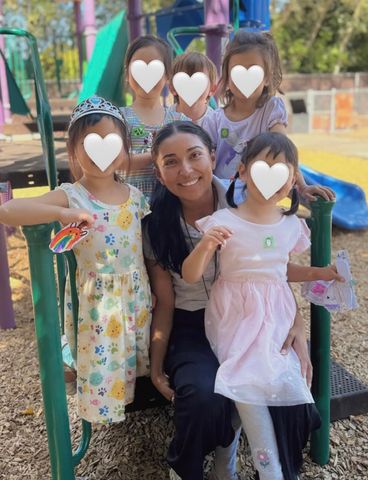
Over the years, managing epilepsy while teaching has taught Gijon the importance of prioritizing her health. She regularly monitors her stress levels, checks in with herself and avoids known seizure triggers whenever possible. On days when she feels especially vulnerable, she makes sure she has additional support nearby.
“I have been incredibly fortunate to work with amazing co-teachers throughout my career, and I've always been transparent with my colleagues about my epilepsy,” she says, adding that the openness has helped create a supportive environment for both her and her students.
That openness eventually extended beyond her coworkers and into her classroom as well.
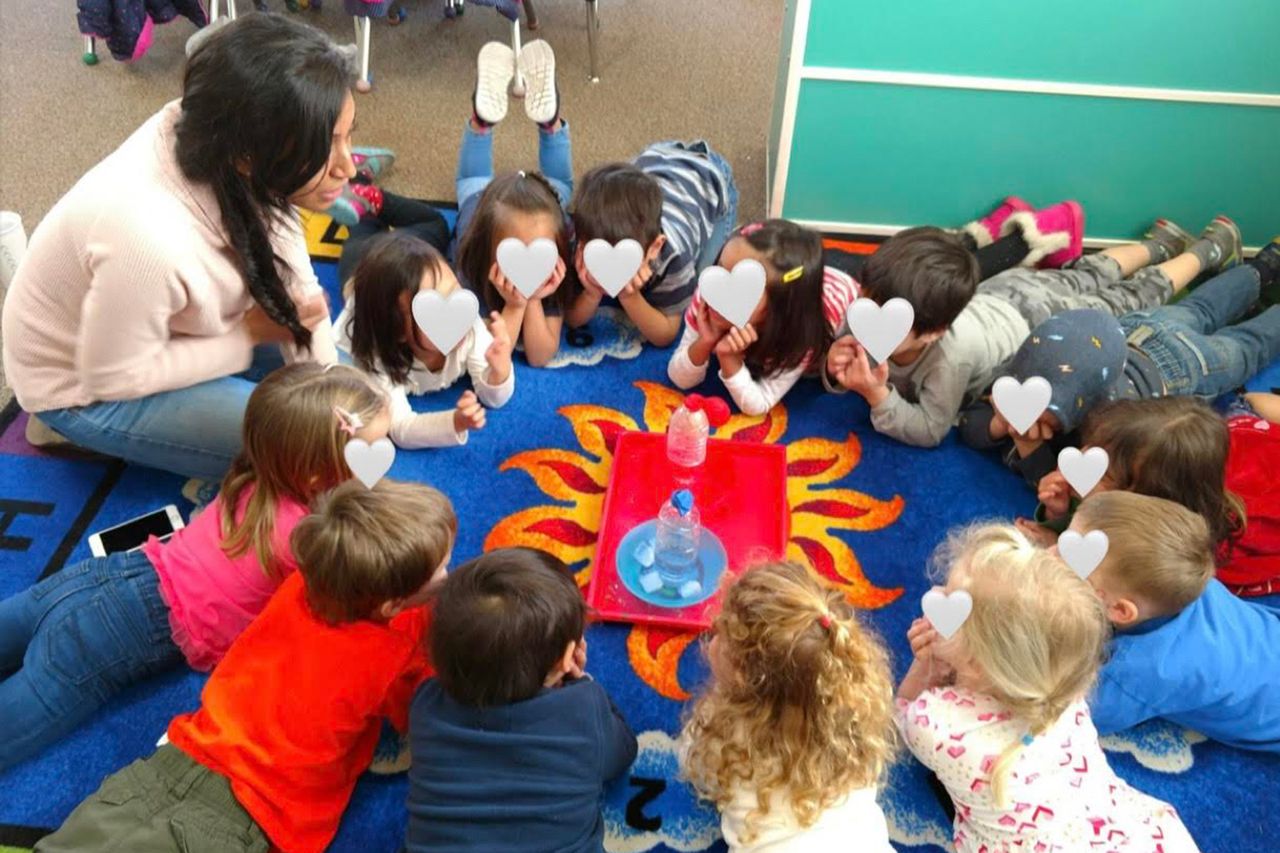
Gijon believes in being age-appropriately honest with her students, explaining that some days can be more challenging than others and reminding them that teachers are human too.
“This transparency fosters empathy and trust in the classroom, showing students that it's okay to acknowledge struggles and that seeking support is a strength, not a weakness,” she says.
@yarelijessica
This is one of the most vulnerable things I’ve ever shared. As a teacher, I’m usually the one trying to stay strong, so opening up about how epilepsy affects me feels really personal and honestly a little scary. But I know someone out there might need this reminder: you can struggle and still be strong. 💜 Saying, ‘I don’t feel well today,’ wasn’t easy, but my students responded with so much kindness, compassion, and empathy & their little hearts reminded me that vulnerability is not weakness. This moment touched me forever and reminded me how much kindness truly matters. 💜
♬ original sound – Yarelijessica
Despite the challenges, Gijon says epilepsy has never stopped her from connecting with her students or succeeding as a teacher. If anything, she believes the experience has made her more compassionate and intentional in the classroom.
But becoming comfortable in the classroom didn't happen overnight. For years, Gijon questioned whether epilepsy would prevent her from pursuing the career she had dreamed about since childhood.
“Teaching had been my dream since childhood, but there was a period when I genuinely wondered if my seizures would prevent me from achieving that goal,” she recalls. “I wasn't even sure if I could maintain a full-time job. There was a lot of uncertainty and fear regarding my future and independence.”
Despite those fears, she pursued her dream anyway — a decision she says changed her life.
“Teaching has become one of the most fulfilling aspects of my life,” Gijon says. “Being surrounded by young minds and witnessing my students grow and achieve so much in a single school year is incredibly rewarding.”
@yarelijessica
Replying to @tams | food & fun tings 💜
♬ original sound – Yarelijessica
Now, 12 years into her career, Gijon says the job she once feared she might never have has become one of the most meaningful parts of her life.
“I also do this for my younger self — the version of me who questioned whether she would ever regain the independence that felt lost after my epilepsy diagnosis,” she says. “Becoming a teacher has shown me that while epilepsy may be part of my story, it does not define my limits or my future.”
Recently, Gijon decided to become more open about epilepsy online, posting a video of herself experiencing a seizure while teaching and her kindergarten students' reaction to the moment.
At first, she says she hesitated to share the video to TikTok because of how vulnerable the moment felt. Eventually, though, she decided to post it. Since then, the video has gone viral, amassing more than 13 million views and over 3,800 comments.
“At first, I felt overwhelmed and seriously considered taking it down,” she says. “But as the messages and comments began to roll in, I realized the video was helping people feel less isolated.”
“Instead of hiding my vulnerability, I wanted to transform it into something empowering — not just for myself but for others who might be struggling in silence,” she adds.
Credit: Yareli Jessica Gijon
While some negative comments surfaced online, Gijon says the support far outweighed the criticism.
“What truly moved me was witnessing how many people stepped up to defend me — strangers, parents, teachers and individuals with epilepsy,” she says. “It reinforced my belief that there are far more people who understand and lead with compassion than those who judge.”
Still, the overwhelming support she received ultimately reinforced why she decided to share the video in the first place.
“Ultimately, I'm sharing my story for those who need to hear it — for those who feel alone, for those doubting themselves and for those who need hope,” Gijon says. “That is who I am here for.”
Read the full article here