

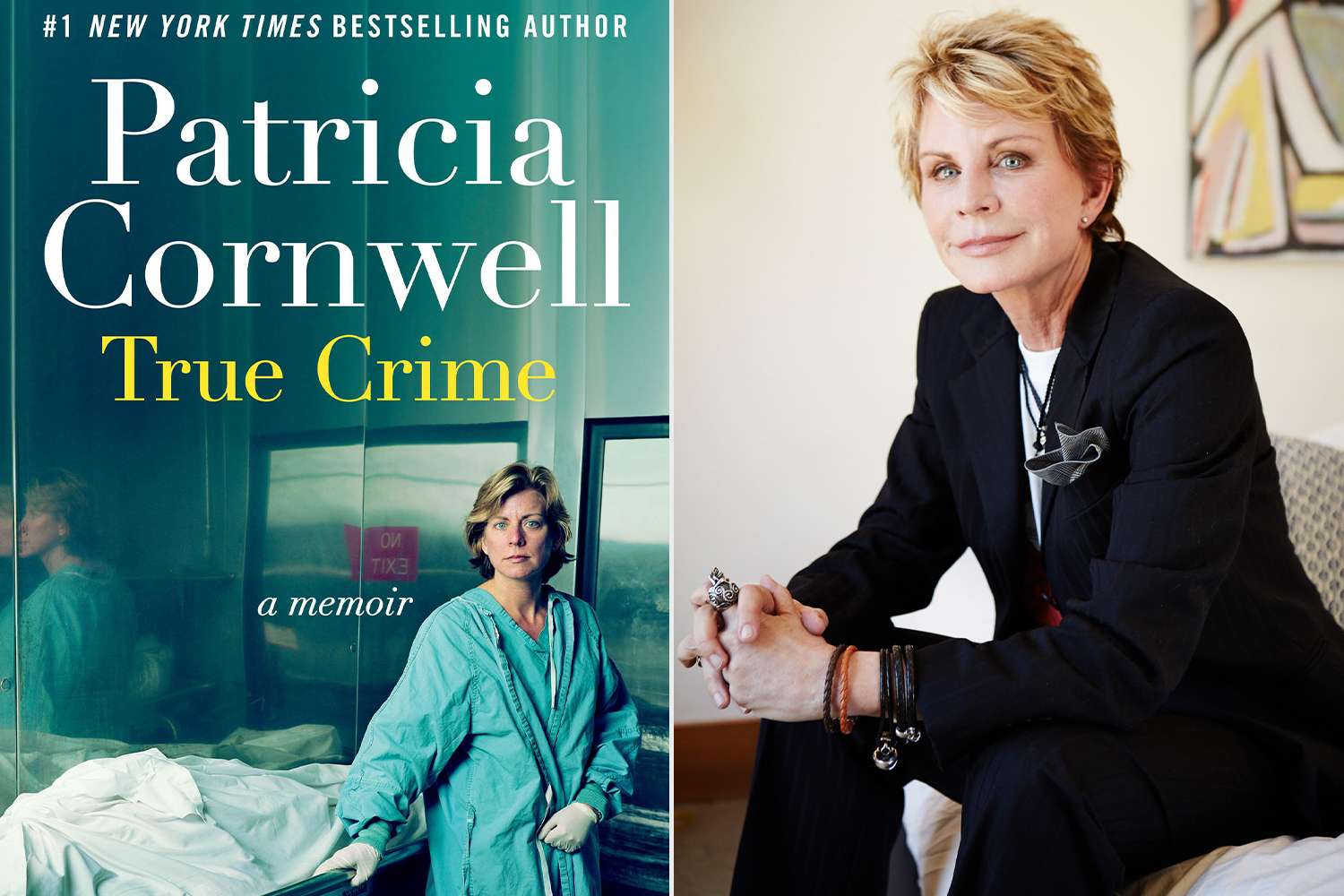
"If you don't begin to have real empathy for the victims, and outrage towards the people who put them there, then you're not human," says the 'Scarpetta' author
Credit: Grand Central Publishing; Patrick Ecclesine
"I probably shouldn't tell this story," Patricia Cornwell tells PEOPLE with a laugh. "I'm going to regret it, but I'll do it anyway."
There are a lot of stories that could fit that particular bill in Cornwell's gripping, revelatory new memoir True Crime (out May 5 from Grand Central Publishing) — and reading it feels like pulling up a chair and listening to the author lay it all out on the table.
The author of the international bestselling Dr. Kay Scarpetta books, which recently became a Prime Video series starring Nicole Kidman and Jamie Lee Curtis, has also penned a definitive nonfiction on Jack the Ripper's identity, cookbooks, a children's book, a biography of Ruth Graham and three other fictional series, but writing her own story proved a unique challenge.
"I think I might feel real unfettered fear at times. It's one thing to sit down and write all that, and it's another when people start reading it. And if they criticize, they're not just criticizing your book, they're kind of criticizing you as a person," Cornwell explains. "But I've prepared myself for that, and I know there will probably be people that take shots at stuff, or who knows what, but I know I told the truth."
For Cornwell, sharing the many roads she's walked — and the worst of humanity she's encountered along the way — is an attempt to make her readers feel less alone, just like books have done for her.
"When I was a little kid and I was so lonely, my writing kept me company. And so every day when I walk in my office, the minute I sit behind my desk, it's like I'm surrounded by old friends," she says. "And when I was at the premiere, and I was surrounded by all the actors, I told them, 'Before this, these people just existed in my head. And now, I'm looking at them, and now when I'm at my desk, it doesn't feel as lonely.'"
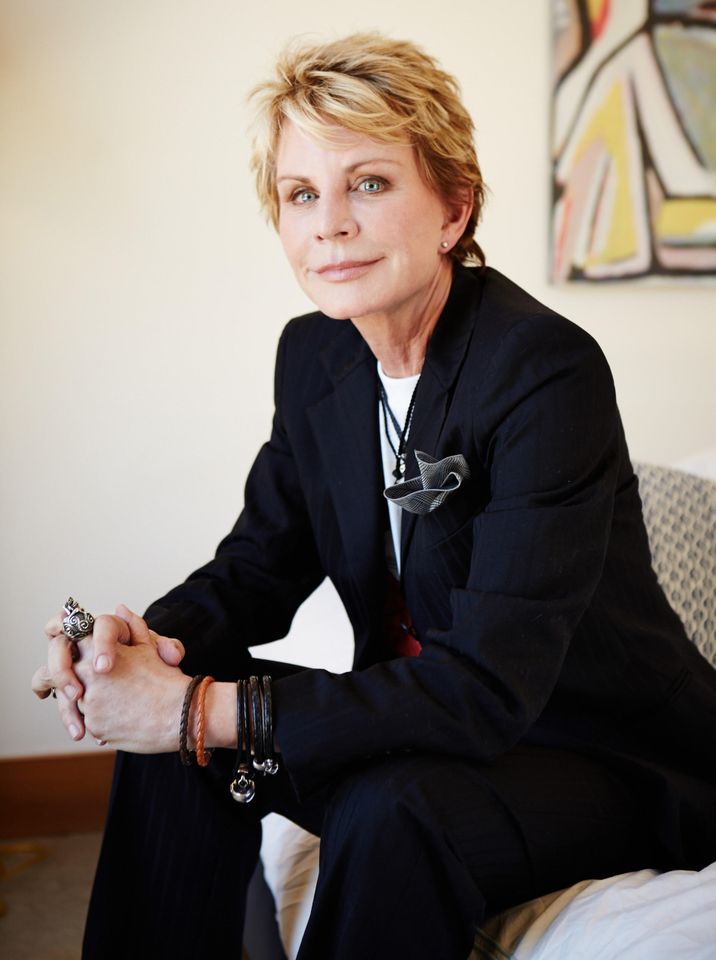
Credit: Patrick Ecclesine
"I hope [this book] will keep some people company and inspire them, particularly if they're feeling frustrated, or afraid or maybe lost, like nothing I do matters, and I'm no good at anything," she adds, of True Crime. "I know what that is to feel that way. I spent so much of my life feeling no good at anything. And sometimes I still feel that way. So I keep trying to get better. I hope it will inspire others, because I'm going, 'hey, look, if I can get where I've gotten, you definitely can.'"
True Crime takes readers from Cornwell's traumatic childhood, getting molested at age 5, living with an abusive foster family, forming a parental relationship with evangelist Billy Graham's wife Ruth, near-death experiences and brushes with the worst the world has to offer — and that's all before a research stint in a medical examiner's office leads to a full-time job, that in turn kicks off Cornwell's career as a publishing phenomenon.
"I don't like being critical of people. I really don't, and there's some things I thought, 'should I tell this story or not tell this story?'" she explains. "I had to say, you know what, these things have happened to you. And in some cases, you've been a first-class victim. And most people don't think that about you. They think you would never be a victim. Well, probably the reason I write about what I do, and used to have so many guns in my gun vault, is because I'd been a victim before."
That firsthand empathy lesson makes Cornwell's writing — and her Dr. Kay Scarpetta character — as raw and real as only boots-on-the-ground experiences can create. "I do understand victims, and that's what is Scarpetta's strength. She is pro-victim," Cornwell says. "She's gonna fight to the death for them. And I don't know that would channel from me through her if I didn't feel that way for real, myself. Because I've been there."
And that's the most important thing to know about Cornwell: she's not afraid to go wherever her insatiable curiosity takes her. That's all down to her work as a journalist, where she learned to make her own observations in order to tell the unvarnished truth, no matter how messy it gets.
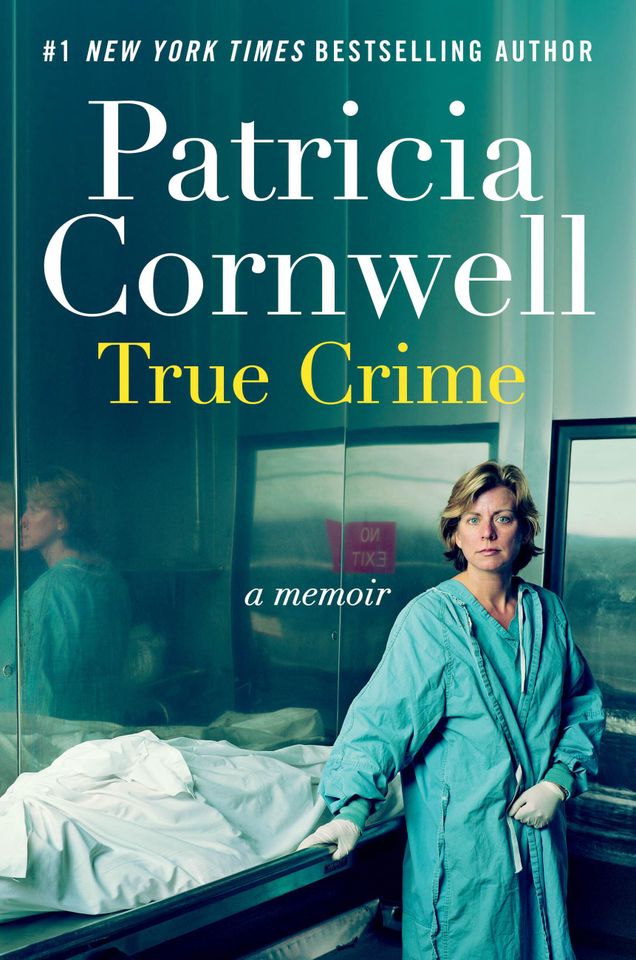
Credit: Grand Central Publishing
"It's one thing that you learn, you know, the Greek meaning of 'autopsy,' — the word is autopsia — and what it means is to see for yourself. Because that's the point of an autopsy," she explains. "You're gonna open up that body, and you're gonna see for yourself what the heart has to tell you."
"What is one piece of advice that you would give everybody?" Cornwell asks herself. "Life is but a dream, you better show up."
She's taking that advice too, as she looks toward her memoir's release date and the second season of Scarpetta. The author explains that she "was a little bit confused for a while," when she had to write the next Scarpetta book after her memoir, "because it was different, what I'd just done, and it's almost like I lost my voice, and I had to find it again."
But that's how Cornwell likes it: Continually learning, growing and looking toward the next frontier. "You have to figure out who you are when you're learning new tricks, so I'm going through a little bit of an evolution," she says. "But I'm happy with it. It's a good one. I think I'm a better writer for it."
And as for that story she regrets telling? Well, a good whodunnit novel doesn't spoil the ending — and neither do we.
Never miss a story — sign up for PEOPLE's free daily newsletter to stay up-to-date on the best of what PEOPLE has to offer, from celebrity news to compelling human interest stories.
True Crime comes out May 5 and is available for preorder now, wherever books are sold.
We independently evaluate all recommended products and services. If you click on links we provide, we may receive compensation.
Read the full article here