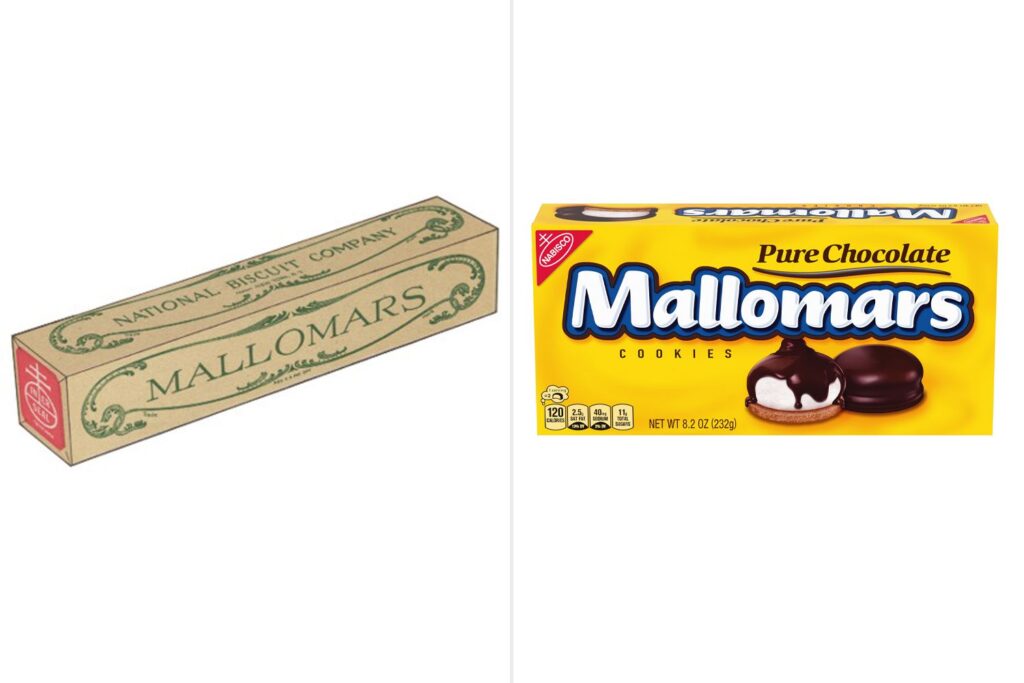
The cookies were introduced in 1913 at a small grocery store in Hoboken, New Jersey
Credit: Nabisco
NEED TO KNOW
- Mallomars have been a seasonal treat since 1913 due to the lack of refrigerated trucks for warmer months
- The cookies debuted in a Hoboken, New Jersey grocery store and remain most popular in the Northeast
- Mallomars have appeared in pop culture, including Gilmore Girls and When Harry Met Sally
With fall comes the return of a certain long-running chocolate and marshmallow cookie.
Mallomars are officially back after six months, continuing the treats’ century-old tradition of hitting shelves only from September to March.
PEOPLE consulted the brand to confirm that they’ve been a seasonal snack since the very beginning.
“Mallomars have been seasonal since day one,” Michael Garber, senior associate brand manager of Mallomars at Mondelez, says. “When they were first created in 1913, refrigerated trucks didn’t exist, so the chocolate coating would melt in transit during warmer months. That’s why they were originally sold only from September to March.”

Credit: Nabisco
“Over the decades, that practical necessity became a beloved tradition,” Garber continues. “Our consumers now so closely associate fall with Mallomars season that the seasonality has become part of the brand’s identity. It’s one of the things that makes Mallomars, Mallomars.”
According to Garber, Mallomars made their debut 113 years ago at a small grocery store in Hoboken, New Jersey.
While they’ve since been popular in the Northeast, cookie consumers who have relocated to other regions such as the Southeast have brought the fandom with them.

Credit: Nabisco
“It’s a testament to the emotional connection people have with this brand — it’s not just a cookie, it’s a piece of home,” Garber says.
The brand says that while 77% of Mallomars consumption is still in the Northeast, it has seen an uptick in demand at Southern grocery stores. The cookies currently generate $11.1 million in annual sales, per Mondelez.
“Mallomars have earned a place in pop culture that most brands would envy,” Garber says. “They’ve been name-dropped in Gilmore Girls, When Harry Met Sally, and The Nanny — moments that reinforce how embedded they are in everyday life. When a snack shows up in cultural touchstones like those, you know the brand resonates beyond the shelf.”
Read the full article here