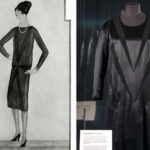

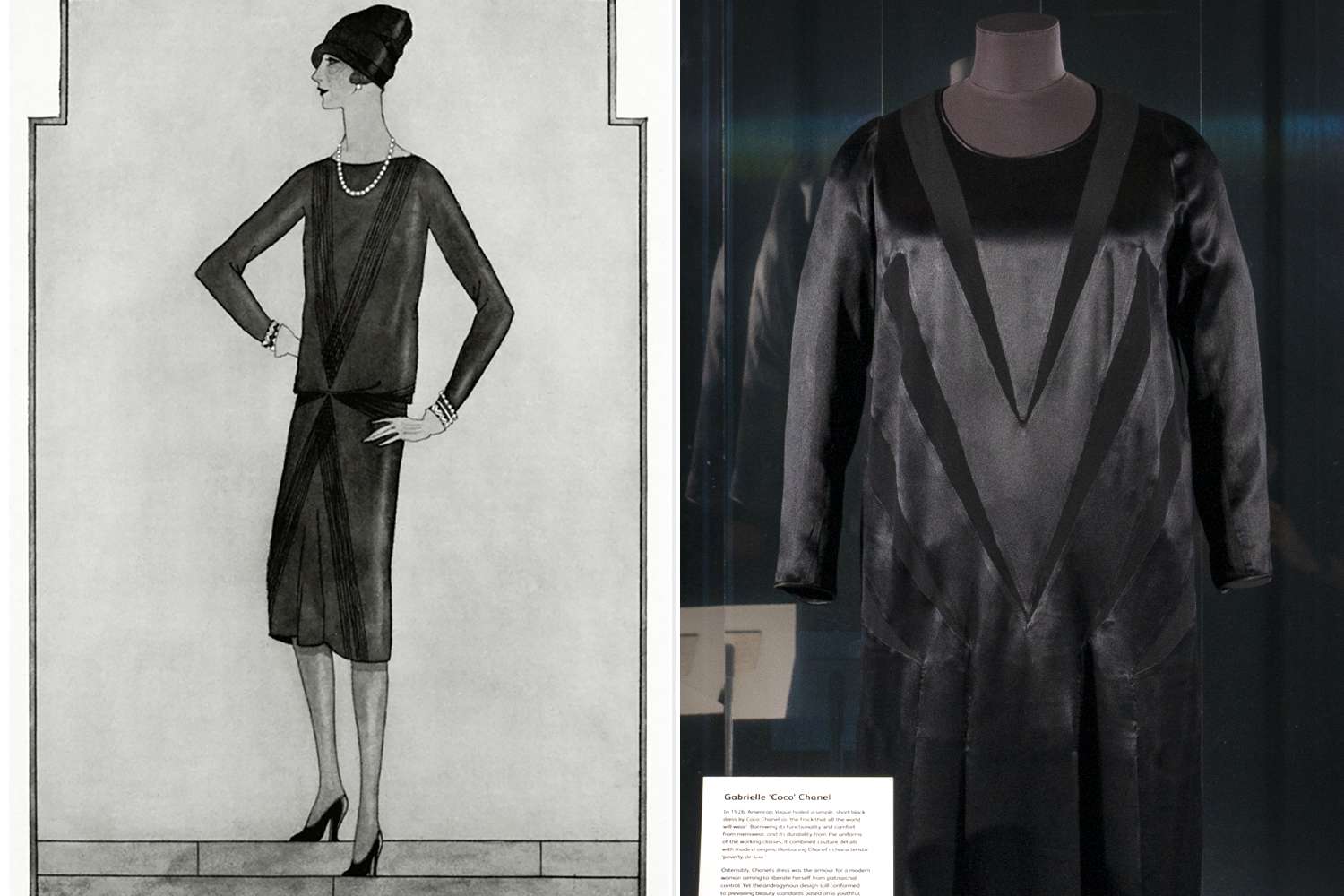
The design was called ‘Chanel’s Ford,’ a reference to the accessibility and timelessness of the Ford Model T car
Credit: Condé Nast via Getty; Jane Barlow/PA Images via Getty
NEED TO KNOW
- Coco Chanel revolutionized women’s fashion by introducing the “little black dress” as a sketch in the October 1926 issue of American Vogue
- The design was called “Chanel’s Ford,” a reference to the accessibility and timelessness of the Ford Model T car
- The actual dress is permanently on display at the Kunstgewerbemuseum (Museum of Decorative Arts) in Berlin, Germany
If the little black dress is a staple in your wardrobe, you have Coco Chanel to thank.
Per Vogue College of Fashion, the late French fashion designer is credited with revolutionizing women’s fashion by introducing a black dress design in the October 1926 issue of American Vogue. The black sheath dress was represented in a pen-and-ink sketch and described as “Chanel’s Ford,” a reference to the Ford Model T car known “for its accessibility and potential to become a classic.”
According to 29Secrets, the text accompanying the sketch read, “Would one hesitate to buy an automobile because it could not be distinguished from another which of the same brand? On the contrary, for the similarity constituted a guarantee of quality. Here is the Ford signed ‘Chanel’.”
Prior to Chanel’s little black dress (now often referred to by the acronym “LBD”), black was primarily seen as a color of mourning and not commonly worn for daily or evening wear. The design created a timeless and versatile option for women to add to their wardrobes.
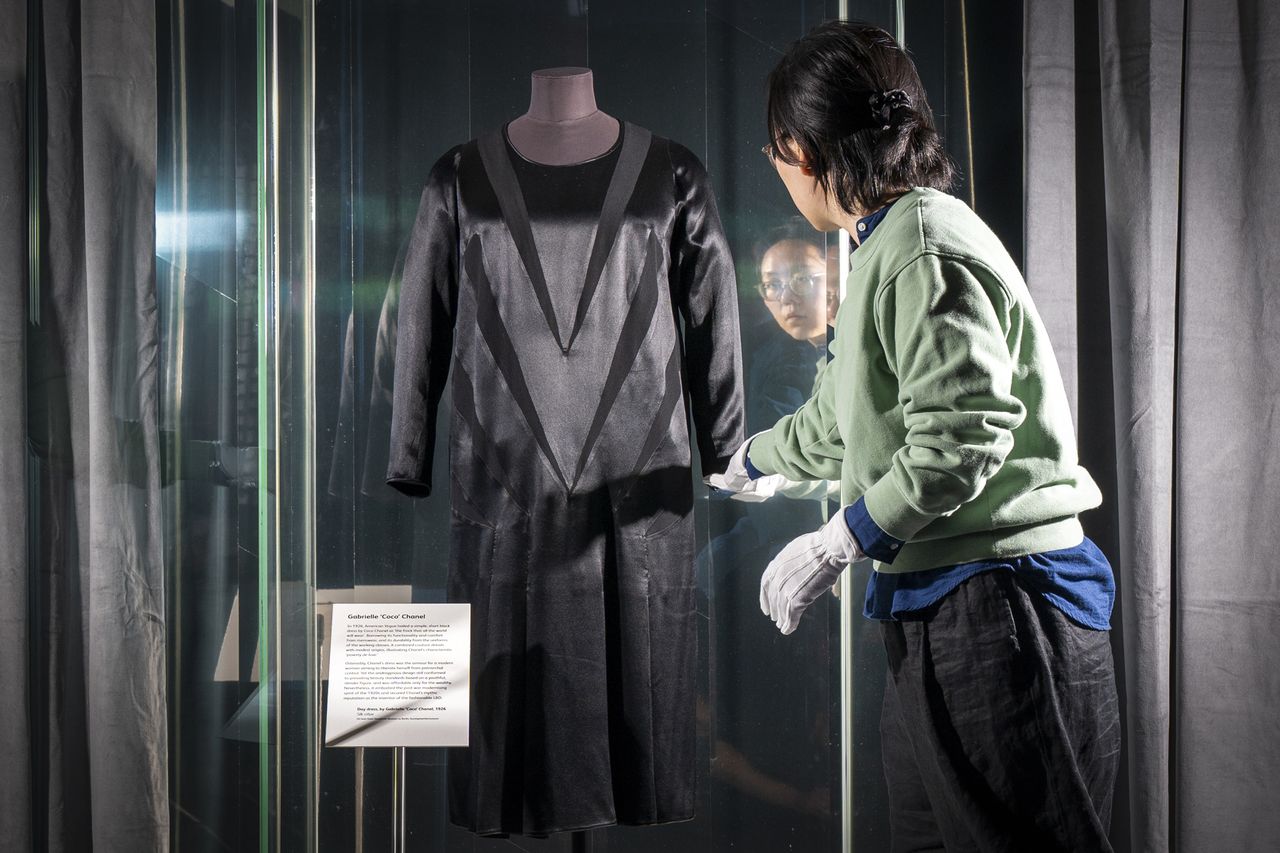
Credit: Jane Barlow/PA Images via Getty
The actual original dress is permanently on display at the Kunstgewerbemuseum (Museum of Decorative Arts) in Berlin, Germany.
In 2023, the garment was featured in an exhibition at the National Museum of Scotland titled “Beyond the Little Black Dress.”
“It’s a mythic origin story,” Georgina Ripley, a curator of modern and contemporary design at the National Museum of Scotland, told BBC News at the time. “It’s about the democratization, mass production and modernization of women’s dress.”
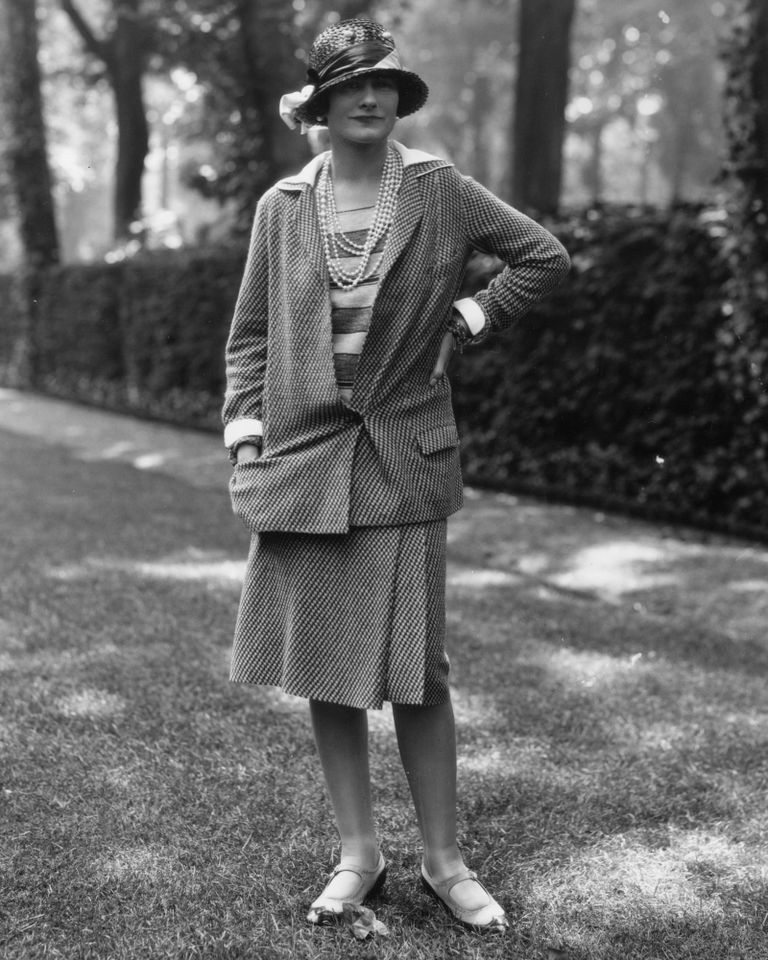
Credit: Sasha/Hulton Archive/Getty
“Few garments are as iconic as the little black dress, which has often been held up by the fashion industry as the one piece every woman should have in her wardrobe,” Ripley said in the statement. “It has evolved dramatically in the century since its creation. From a simple shift dress which helped democratize women’s fashion to a bold political statement, it has moved through various iterations which reflect changing ideals of beauty and body image.”
Never miss a story — sign up for PEOPLE’s free daily newsletter to stay up-to-date on the best of what PEOPLE has to offer, from celebrity news to compelling human interest stories.
In an accompanying book to the exhibition, Little Black Dress: A Radical Fashion, Ripley suggests that the little black dress originated with the British royals. Queen Victoria’s mourning garb, she claims, inspired similar fashions and the introduction of synthetic dyes.
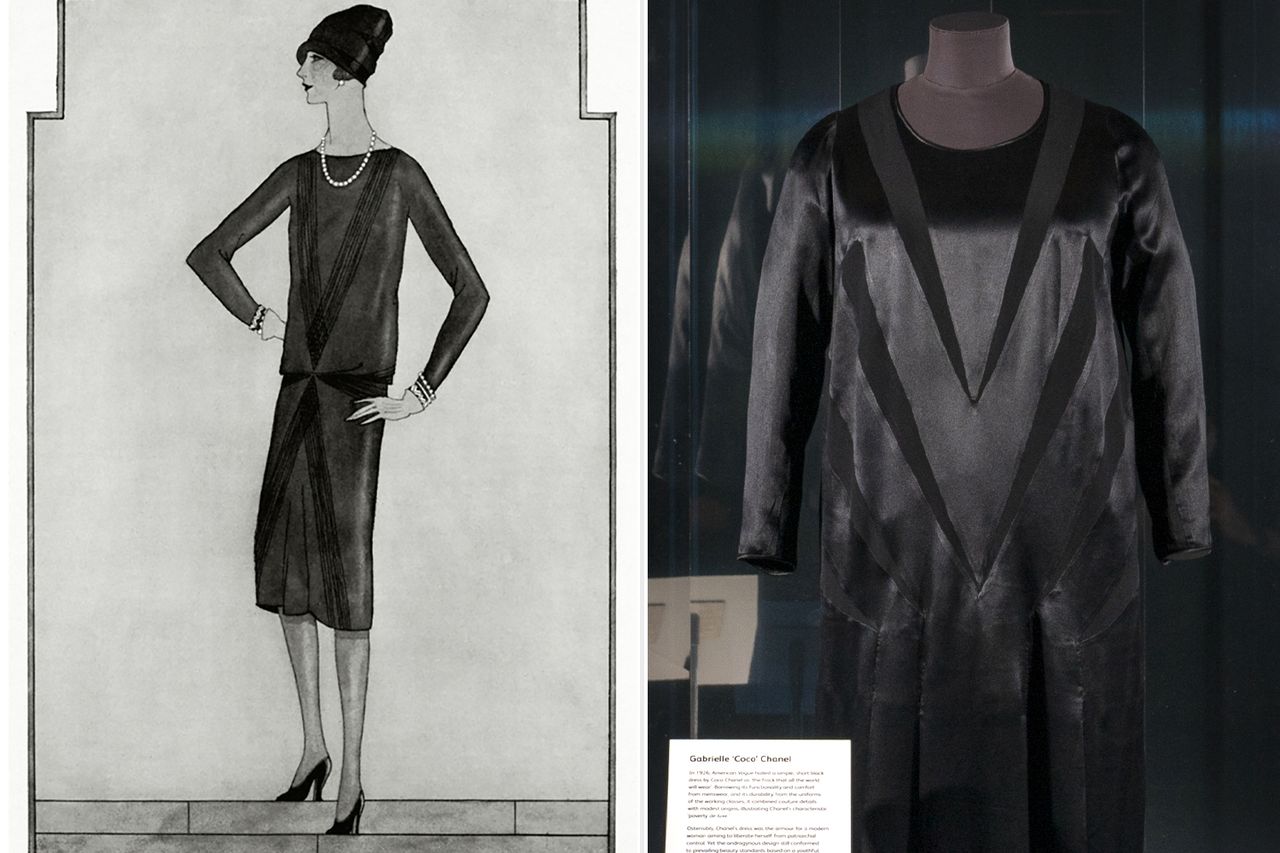
Credit: Condé Nast via Getty; Jane Barlow/PA Images via Getty
“Yet as black became more prominent, there was an important distinction to be made between the rich black of the ruling classes and the ‘respectable’ black worn by the lower classes,” she writes.
“As artistic depictions of wealthy Belle Epoque women showed them in fashionable black reception dresses and luxurious evening gowns, the urban working woman was adopting her own simple black dress, in coarse matte fabrics – a style soon to be appropriated by Chanel,” Ripley adds.
Read the full article here