

Though it may seem daunting to make the dietary changes necessary after an IBD diagnosis, these expert ideas will make it easy and tasty
Brian Austin Green and fiancée Sharna Burgess were just a few months away from welcoming their first child, Zane, in 2022 when the actor was sidelined by ulcerative colitis, an inflammatory bowel disease that causes sores inside the colon.
"I would eat food, and literally it was like, my body didn't process any of that,” Green, who “lost, like, 20 pounds” and was bedridden for roughly six weeks, told Good Morning America.
The 52-year-old father of five (he also shares children with exes Megan Fox and Vanessa Marcil) landed back on his feet with the help of his former Dancing with the Stars partner and a revamped diet.
"I try and avoid gluten and dairy as much as possible," Green told GMA. “As long as I can keep things within my system that my body doesn't think I'm poisoning it with, then it doesn't fight back.”
His experience will sound familiar to anyone who has an IBD diagnosis, such as ulcerative colitis. Food tolerance varies significantly for individuals with the condition, which can make meal-prepping tricky when you’re cooking for a family. But with small tweaks, everyone can enjoy the same dishes, says Dr. Rachel Dyckman, a member of the Crohn’s & Colitis Foundation National Scientific Advisory Committee.
“Often, it’s just a matter of adjusting texture, fat content, or spice level so the person with ulcerative colitis can tolerate it,” she tells PEOPLE.
Credit: Getty
Ulcerative colitis is typically diagnosed in people between the ages of 15 and 30, according to the National Institute of Diabetes and Digestive Kidney Diseases, and the exact cause is unknown. Most people require medication to induce and maintain remission, says Dyckman, but overall diet quality may help reduce the risk of relapse. Some foods, however, can significantly influence gastrointestinal symptoms such as abdominal pain, rectal bleeding, diarrhea, urgency, and bloating.
“During active flares, rough-textured foods such as raw vegetables or fruits with tough skins and seeds may aggravate symptoms,” Dyckman says. Fatty or fried foods and large portions of rich dairy products can worsen diarrhea and cramping, and spicy foods and processed red meats can irritate the gut lining.
Soft-textured foods are often better tolerated, she adds, so modifying textures can be helpful when meal-prepping. Families should also lean into foods that support overall gut health and healing. Dyckman recommends:
- Lean proteins: Chicken, turkey, fish, eggs, tofu, and Greek yogurt help to repair tissue and maintain muscle, especially after flares.
- Cooked vegetables: Soft-cooked veggies like zucchini, carrots, peeled potatoes, butternut squash, and sauteed spinach are easier to digest and provide nutrients.
- Fruits: Soft fruits like bananas and melons, along with fruit purees like applesauce and pear sauce, are gentler on the gut and packed with potassium and vitamin C.
- Healthy fats: Olive oil, avocado, and nut butters are anti-inflammatory fats.
- Fermented foods: Yogurt, kefir, miso paste, and sauerkraut contain probiotics, healthy bacteria that lowers inflammation.
- Easily digestible grains and breads: Rice, oatmeal, polenta, and sourdough provide energy and don’t irritate the colon.
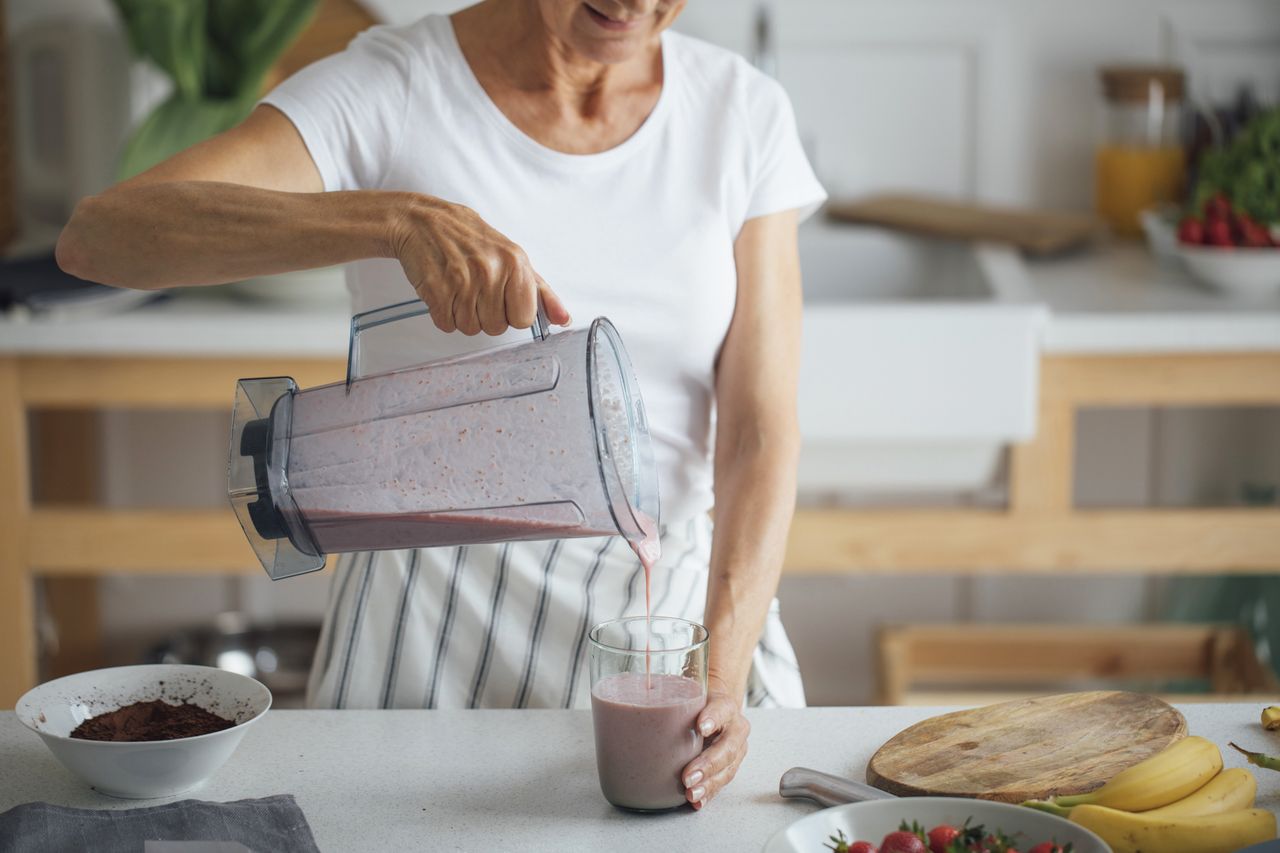
- Soups and smoothies: These are an easy-to-digest way of packing lots of nutrition into one meal or snack. When produce is blended, you’re more likely to tolerate it.
Credit: Getty
“It’s important to notice which foods feel comfortable for you and adjust accordingly,” notes Dyckman.
Additionally, she suggests trying these simple swaps to make your family’s favorite dishes more gut-friendly.
- Tacos or burritos: Use lean ground turkey or chicken instead of beef, stick to mild spices, and swap sour cream for Greek yogurt as a topping. Raw veggies, hot sauces, and jalapeños should be served on the side.
- Pasta dishes: Use white pasta or rice noodles and cook vegetables until soft; blend sauces if necessary, for easier digestion.
- Casseroles: Blend or cook vegetables until soft and use Greek yogurt instead of sour cream or cream cheese.
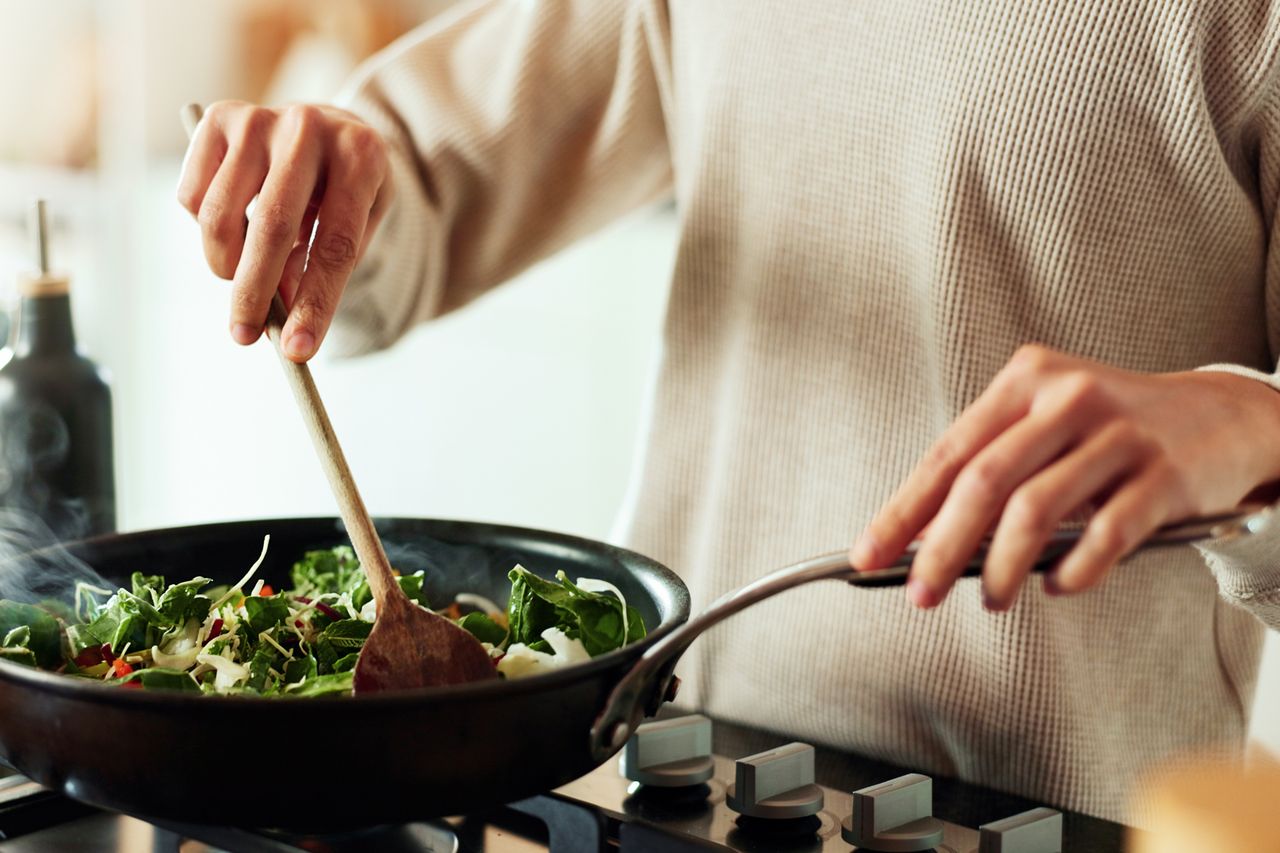
- Stir-fries and roasted veggies: Peel and soften veggies like carrots, zucchini, and potatoes; keep seasonings mild.
- Breakfast or snacks: Replace crunchy granola with oatmeal, and swap whole nuts for creamy nut butters. Instead of fibrous snacks, choose smooth-textured versions, like applesauce instead of whole apples and berry smoothies instead of whole berries.
“These small adjustments let the person with ulcerative colitis tolerate meals comfortably while the whole family eats the same core dishes,” Dyckman tells PEOPLE. “No separate cooking required.”
Read the full article here