
From being turned away from school to building a family, founding a camp and climbing El Capitan, Steve Wampler is now sharing his journey with millions
Credit: Steve Wampler (2)
NEED TO KNOW
- Steve Wampler’s son started a social media account showcasing their family life that unexpectedly gained millions of followers
- Wampler, who has cerebral palsy, founded Camp Wamp to empower children with physical disabilities through outdoor experiences
- His viral videos challenge perceptions of disability and highlight joy, independence and the importance of community and family
Steve Wampler didn’t set out to go viral, but when his son started posting videos of their life together, millions of people began paying attention.
What they found wasn’t just a glimpse into life with a disability. It was a story shaped by family, resilience and a perspective that quietly challenges what many people assume is possible.
Wampler, 57, has cerebral palsy and uses an electric wheelchair. He describes his life simply: “life is pretty fantastic.”
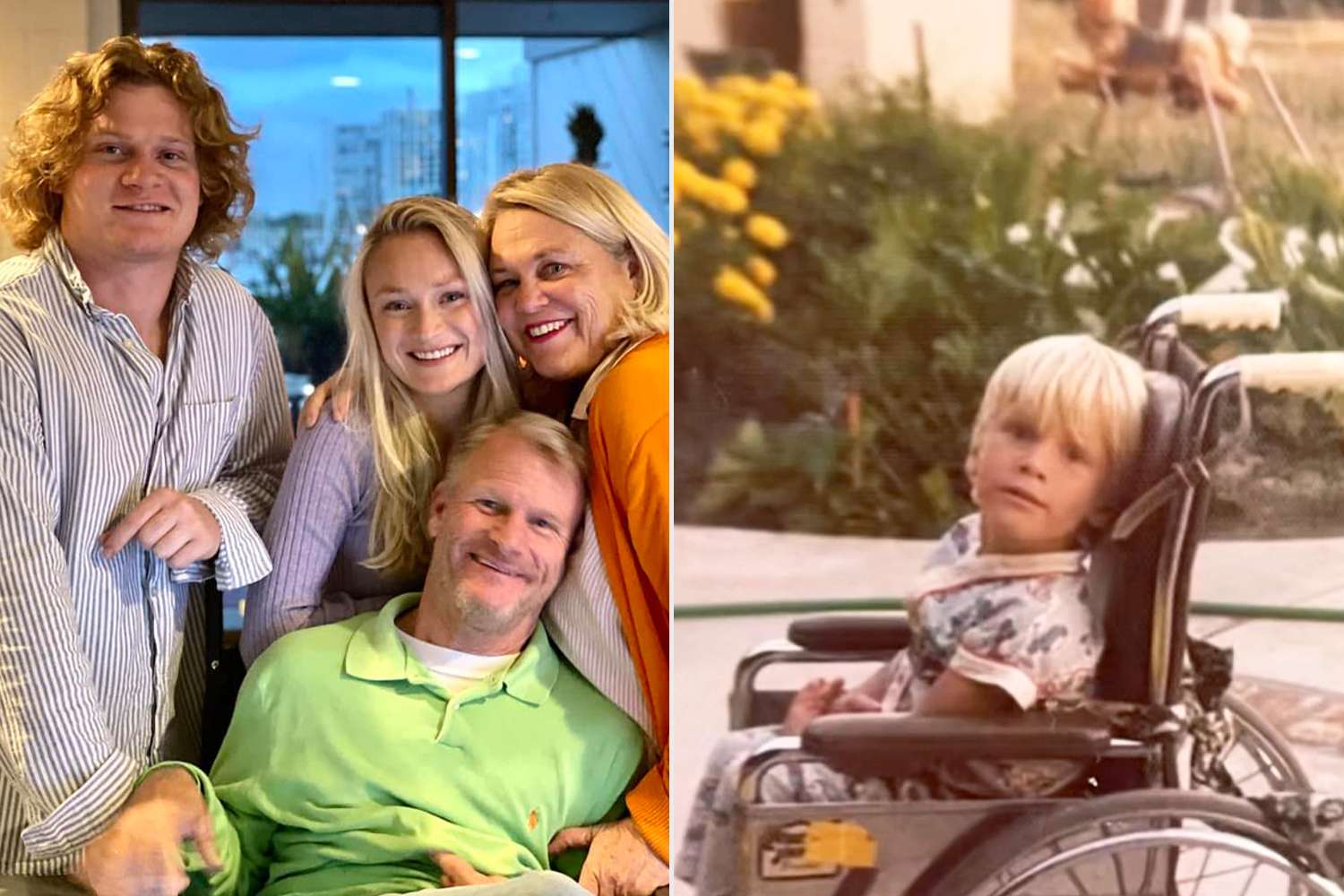
He lives in Coronado, Calif., with his wife, Elizabeth, and remains deeply connected to their two children, Charlotte, 26, and Joe, 25, who both live in Atlanta. That close-knit bond — something he says means everything to him — ultimately became the foundation of the online presence that would later take off.
@the.wampler.way
Steve kept receipts:)
♬ Wings – Birdy
Never miss a story — sign up for PEOPLE's free daily newsletter to stay up-to-date on the best of what PEOPLE has to offer, from celebrity news to compelling human interest stories.
It was Joe who unknowingly sparked it all, starting a social media account as a Christmas gift. What began as a small gesture quickly “hit a nerve,” Wampler tells PEOPLE, as audiences connected with the family’s candid, often humorous look at everyday life.
The growth was immediate and surreal. At one point, the family sat together watching their follower count climb in real time, “thousands at a time,” laughing in disbelief. Today, their videos have reached tens of millions of viewers, with some surpassing 40 million views.
But one recent video in particular struck a deeper chord. In it, Wampler shares a timeline of his life — beginning in 1973, when his parents were told he wouldn’t be allowed to enroll in school because he was considered "not fit for the classroom." Nearly two decades later, in 1992, he earned his engineering degree. By 1995, he had started a family. In 2002, he launched his own foundation. And in 2010, he climbed El Capitan — completing 20,000 pull-ups over six days.
"Steve kept receipts:)" the post is captioned.
@the.wampler.way
We’re the Wamplers:)
♬ original sound – The Wampler Way
The video, like much of his content, reframed expectations — not through grand statements, but through lived experience.
Long before any of that, though, Wampler’s outlook had already been shaped, starting in childhood.
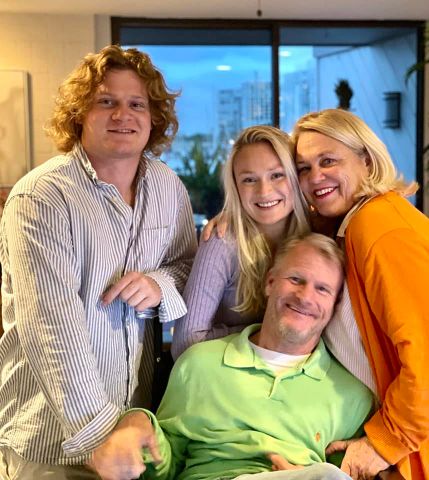
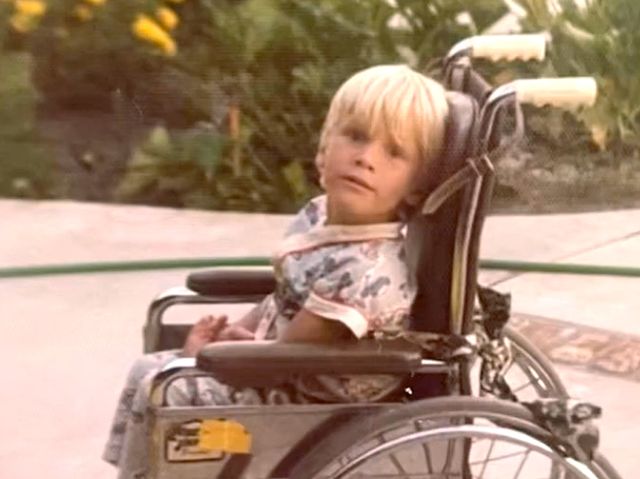
Raised in Lafayette, Calif., he credits his parents with instilling a sense of independence early on. As the oldest of five, he was held to high expectations and encouraged to push himself, rather than focus on limitations. “They expected me to work hard and to fulfill everything I was capable of doing,” he says, explaining that his parents allowed him to struggle and problem-solve before stepping in.
That approach helped shape how he viewed his disability — not as something defining, but simply one part of his life.
Credit: Steve Wampler
Growing up, he was included in everything around him, even if that meant finding creative ways to participate. “When they were swimming or playing Marco Polo, I was the narrator. When they were playing football, I was the referee,” he recalls, adding that he always felt like he was “in it with everyone else.”
Even as he got older and became more aware of how others perceived his disability, that internal perspective didn’t shift. “It really was never a big deal in my life,” he says.
One experience, however, left a lasting imprint. As a child, Wampler attended a camp for kids with physical disabilities in the Lake Tahoe area — a place that gave him a new sense of possibility. “That experience really changed the trajectory of my life,” he says. “It helped me realize that I could have a really big life.”
@the.wampler.way
It’s time:)
♬ sonido original – soundtracks
Years later, that realization became the foundation for his life’s work.
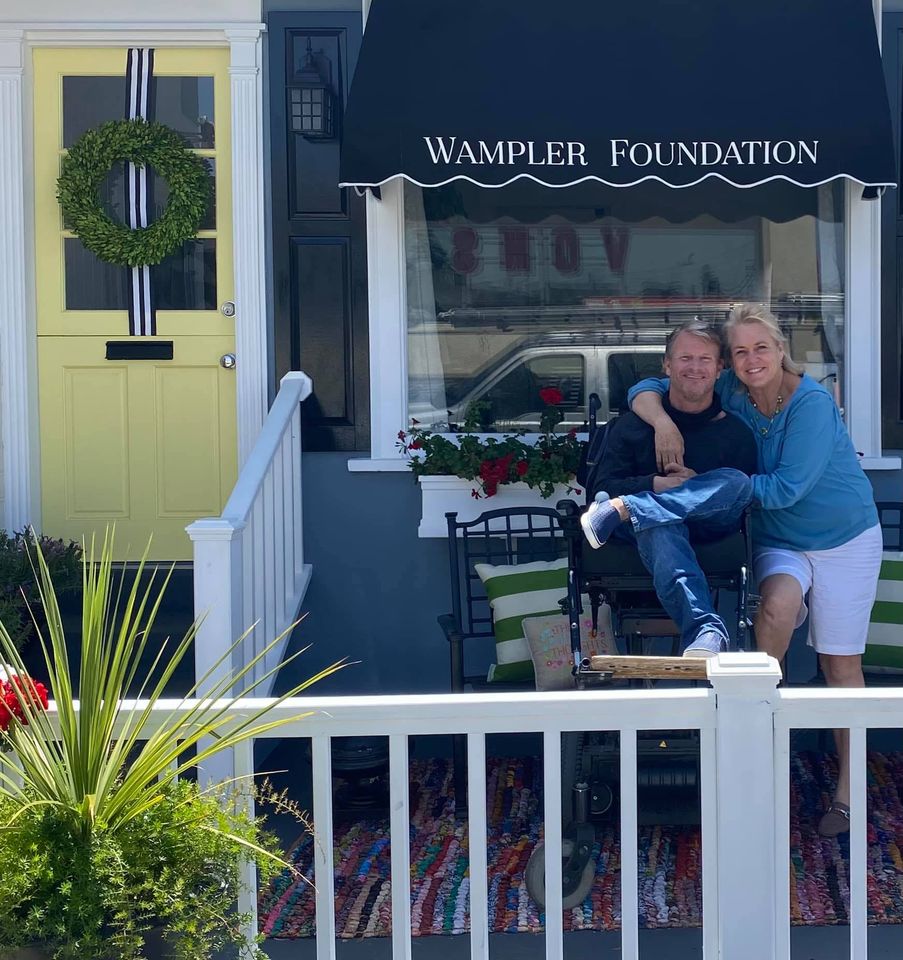
Wampler went on to start Camp Wamp, a free weeklong wilderness camp for children with physical disabilities, welcoming kids from across the country — and increasingly, from around the world. Before that, he had worked as an environmental engineer, eventually pivoting in 2002 toward work that felt more meaningful.
Today, he says the most powerful part of Camp Wamp is watching kids undergo the same transformation he once experienced. “Watching that transformation happen is everything to me,” he says.
Credit: Steve Wampler
His personal life, too, reflects milestones he once wasn’t sure he would reach. Marriage and fatherhood, he says, were among the biggest unknowns — and ultimately, the most meaningful parts of his life. “My wife and children are the best things that have ever happened to me,” he says, describing his family as “my whole world and then some.”
That sense of gratitude extends into the online community that has formed around the Wampler Way, where followers engage not just with the content, but with each other. “It really does feel like a community,” he says. “We care about these people, and they seem to care about us too.”
Many of the most meaningful messages come from new parents navigating disability for the first time. “We try to help them see that their lives can still be full of hope and possibility,” he says.
Credit: Steve Wampler
At the heart of everything he shares is a simple but powerful message: people with disabilities are far more typical than many realize. “We are more alike than different,” he says, adding that joy and independence are “real and possible.”
He also acknowledges that much of the misunderstanding around disability comes from a lack of exposure — something he hopes his platform can help change. “People haven’t been taught about disability, and that’s okay,” he says. “Just be willing to lean in and learn.”
Looking ahead, Wampler says his mission is only expanding, with plans to bring disability education into classrooms across the country through the Wampler Way.
But even as his audience continues to grow, his focus remains grounded in what matters most. He describes his life today as one rooted in gratitude — for his family, his work and the path that led him here. And with his daughter’s wedding on the horizon, Wampler adds, that might just be “the best thing of all.”
Read the full article here