

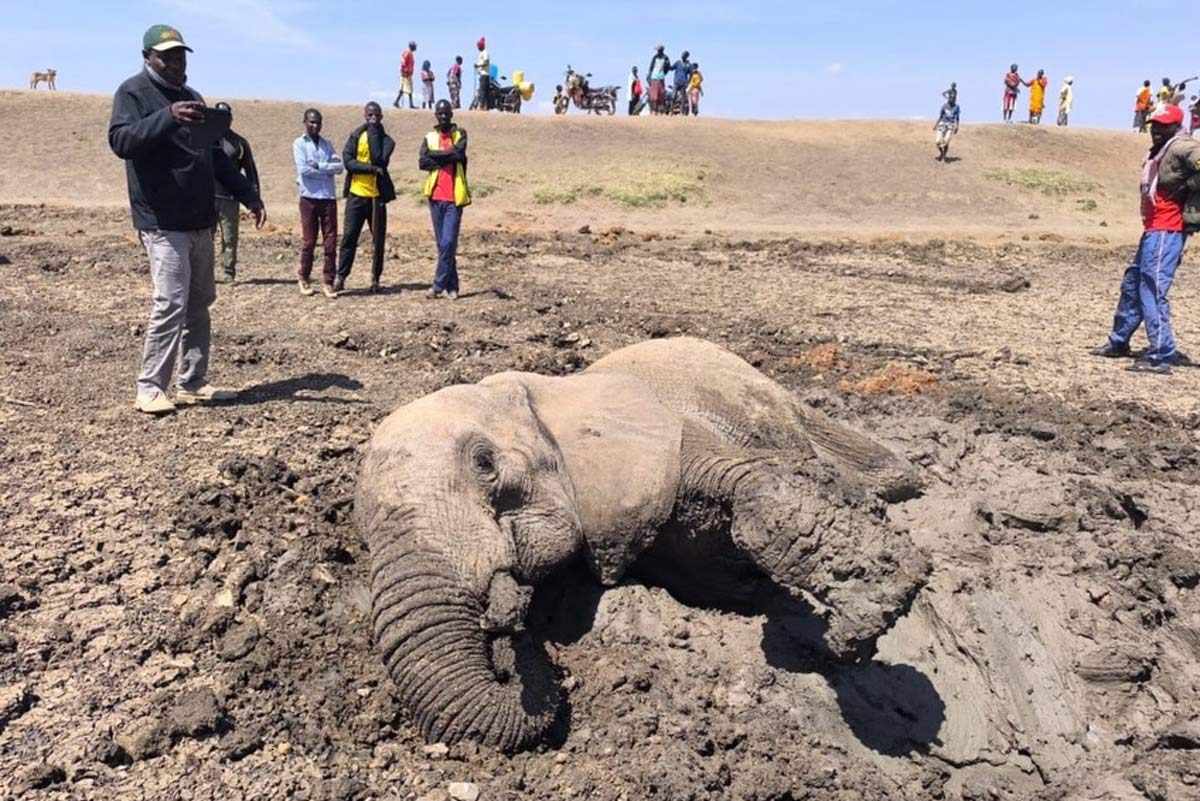
The rescue was one of many unfolding across the country, where teams were also relocating a pair of fence-breaking bulls in Tsavo
Credit: Sheldrick Wildlife Trust/Instagram
NEED TO KNOW
- A young elephant was trapped overnight in a drying waterpan near Mount Kenya and fell into a severely weakened state
- Rescuers used ropes and a vehicle to pull her to safety without sedation, avoiding further risk to her health
- Shrinking water sources are creating dangerous conditions for wildlife, highlighting the importance of rescue efforts in Kenya
For one young elephant in Kenya, the day began with her life on the line and ended with her running free.
The female African elephant had spent the night trapped in a drying waterpan near Mount Kenya, sinking into the mud as she struggled to pull herself out. By the time help arrived, she was exhausted, according to the Sheldrick Wildlife Trust (SWT), which shared the rescue on Instagram.
Responding to a report of the stranded animal, the SWT/Kenya Wildlife Service Mount Kenya Mobile Vet Unit found the elephant stuck and so depleted that the team’s veterinarian, Dr. Jeremiah Poghon, opted not to sedate her, which could have added risk given the animal’s weakened state. Instead of sedating the elephant, rescuers carefully roped her to a vehicle and used it to haul the animal onto firmer ground.
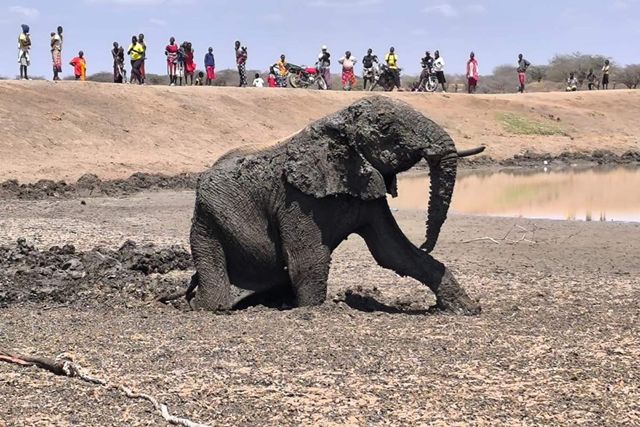
Credit: Sheldrick Wildlife Trust/Instagram
“She ran off to reunite with her herd,” wrote the rescue about what happened next, “muddy but otherwise unharmed by her ordeal.”
Her ordeal points to a growing hazard for wildlife: as water sources shrink, the animals that wade in to drink can find themselves stuck, unable to climb out of the deepening mud. Such traps can turn fatal without intervention, particularly in remote areas where a struggling animal may not survive long enough to be found.
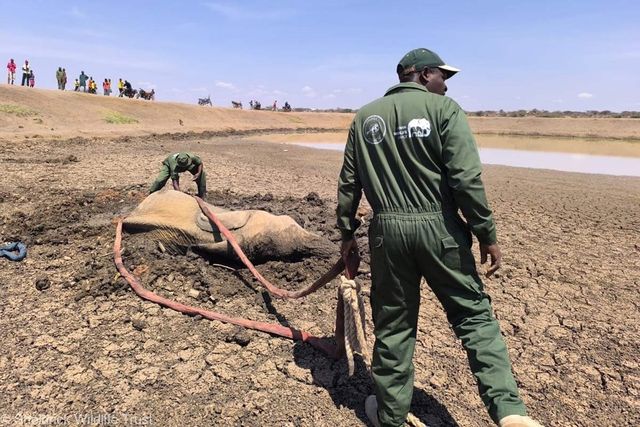
Credit: Sheldrick Wildlife Trust/Instagram
The waterpan rescue was just one of numerous operations the SWT’s teams were juggling that day across Kenya.
Even as the mobile vet unit worked to free the elephant, crews elsewhere were in the middle of a major undertaking in Tsavo, relocating a pair of fence-breaking bull elephants.
“Every mission looks a bit different,” the trust wrote, describing work that stretches from the plains of the Maasai Mara to the Great Rift Valley.
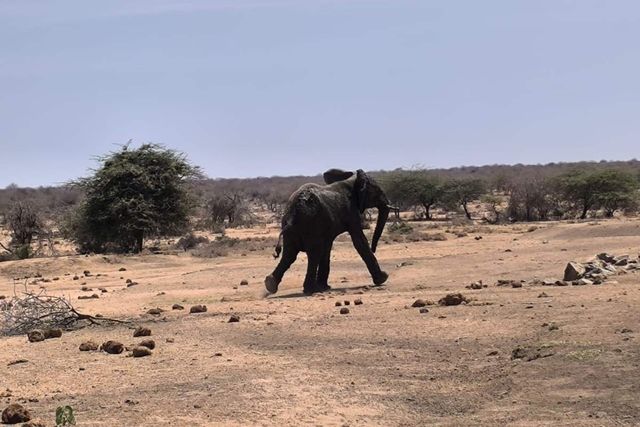
Credit: Sheldrick Wildlife Trust/Instagram
According to wildlife experts, elephants are considered a keystone species, shaping the landscapes around them as they disperse seeds and clear vegetation, maintaining habitats that countless other animals depend on.
In Kenya, they also anchor a tourism economy tied to parks, guides, and conservation jobs, meaning each animal a rescue team keeps alive helps sustain the wider ecosystem and the communities linked to it.
Read the full article here