

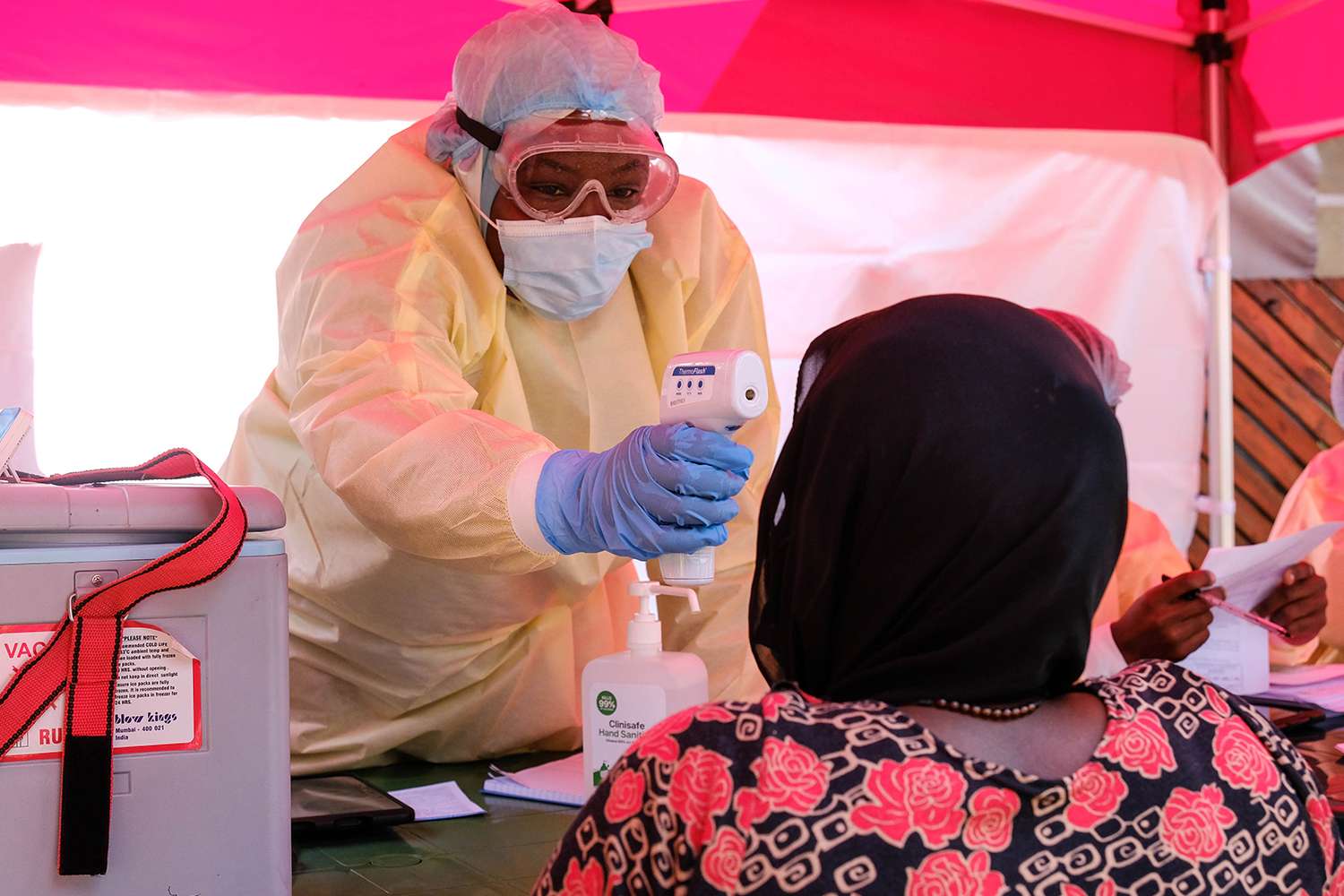
A medical missionary has tested positive for Ebola, according to an international aid group, as the U.S. announces travel restrictions
Credit: Hajarah Nalwadda/Getty
NEED TO KNOW
- Dr. Peter Stafford, an American missionary working in the Democratic Republic of Congo, tested positive for Ebola after treating patients
- The CDC announced travel restrictions for non-US passport holders from Uganda, DRC, and South Sudan amid Ebola outbreaks
- Ebola has a mortality rate of up to 90% and spreads through contact with infected bodily fluids or contaminated items
An American doctor working as a missionary in the Democratic Republic of Congo has tested positive for Ebola amid the ongoing outbreak of the infectious, deadly disease, which has prompted travel restrictions to the U.S.
Dr. Peter Stafford, a missionary with the Christian organization Serge, has tested positive for the virus, the aid organization announced in a statement on May 18. He was exposed while treating patients at Nyankunde Hospital, where he has worked since 2023. Two other medical professionals have also been exposed: his wife, Dr. Rebekah Stafford, and Dr. Patrick LaRochelle. According to Serge, they are asymptomatic. "All three medical professionals have strictly adhered to established quarantine protocols since the potential exposure," the aid organization said.
The Staffords have four young children, Serge said in its statement, which adds that the doctors and children are "in a location where they can undergo continued risk monitoring and receive specialized medical care." Dr. Peter Stafford is being taken to Germany for treatment, per CBS News.
The news comes in the wake of new travel restrictions to the U.S. in an effort to keep the virus from coming stateside. On May 18, the U.S. Centers for Disease Control announced "enhanced travel screening, entry restrictions, and public health measures to prevent Ebola disease from entering the United States amid ongoing outbreaks in East and Central Africa." The entry restrictions apply to non-U.S. passport holders who have been in the affected areas — Uganda, DRC, or South Sudan — within 21 days of travel.
In a statement, the CDC said the measures were "necessary to protect the health of the United States from the serious risk posed by the introduction of Ebola disease into the United States."

Credit: Getty
The CDC said the immediate risk to the U.S. public is "low," but will continue to monitor the outbreak, and work with airlines to "identify and manage travelers who may have been exposed to Ebola virus."
As for the Americans in the area, the CDC said it is "supporting interagency partners who are actively coordinating the safe withdrawal of a small number of Americans who are directly affected by this outbreak."
Ebola has a mortality rate of up to 90%, the CDC says. It's caused by a collection of viruses called orthoebolaviruses. The current outbreak is caused by the Bundibugyo virus. The virus spreads through contact with the bodily fluids of an infected person — alive or dead. But as Johns Hopkins Medicine explains, it can also spread by touching items, like clothing or bedsheets, that have been in contact with body fluids.
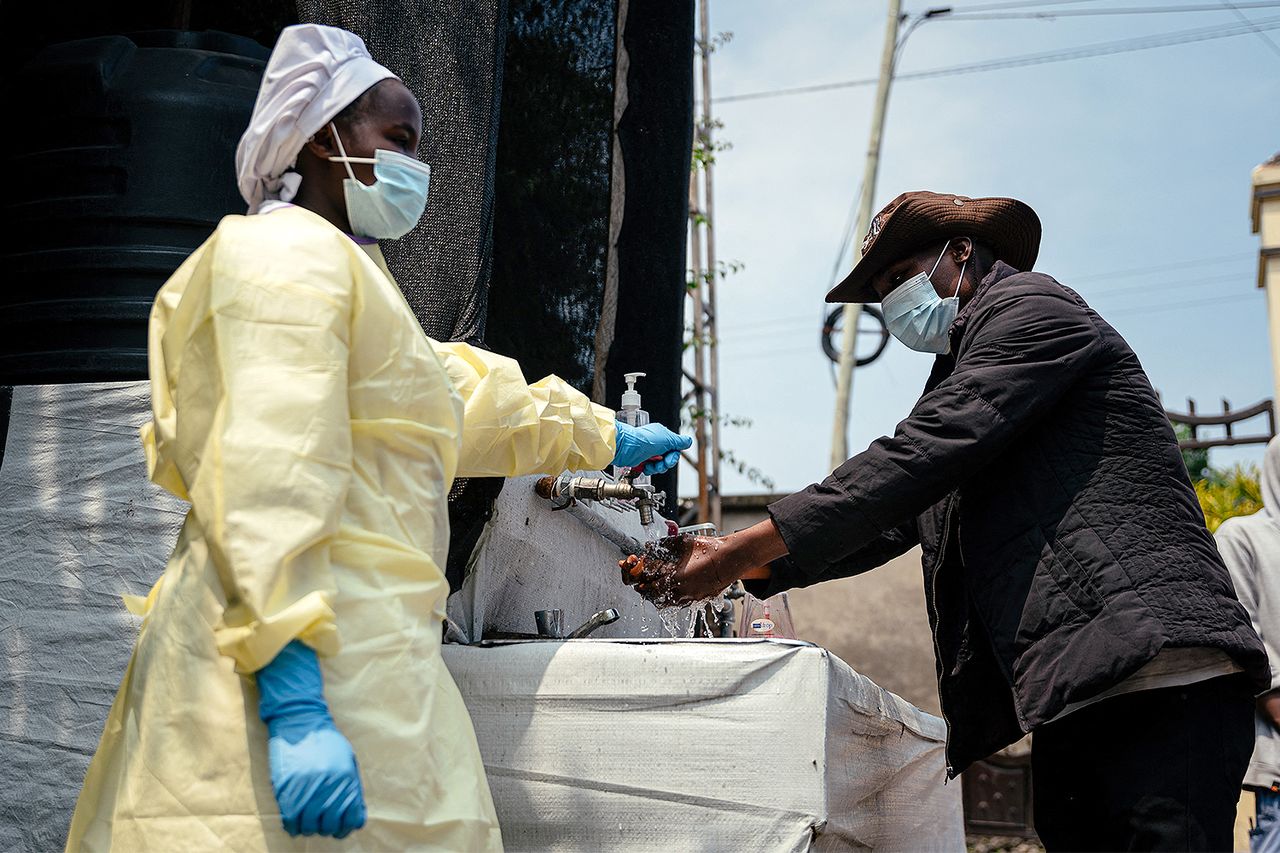
Credit: Jospin Mwisha / AFP via Getty
Never miss a story — sign up for PEOPLE's free daily newsletter to stay up-to-date on the best of what PEOPLE has to offer, from celebrity news to compelling human interest stories.
Symptoms can appear as late as 21 days after contact with an infected person, and begin with what are called "dry" symptoms of Ebola, like fever, joint and muscle pain, headaches, and fatigue.
The disease then progresses to the "wet" symptoms, which, along with vomiting and diarrhea, include bleeding from the eyes, mouth, nose, and rectum.
The World Health Organization declared the outbreak a "public health emergency of international concern" on May 17, citing the "unusual clusters of community deaths" — and the deaths of four healthcare workers from symptoms "suggestive of viral haemorrhagic fever" raised concerns about "healthcare-associated transmission, gaps in infection prevention and control measures, and the potential for amplification within health facilities."
Read the full article here