

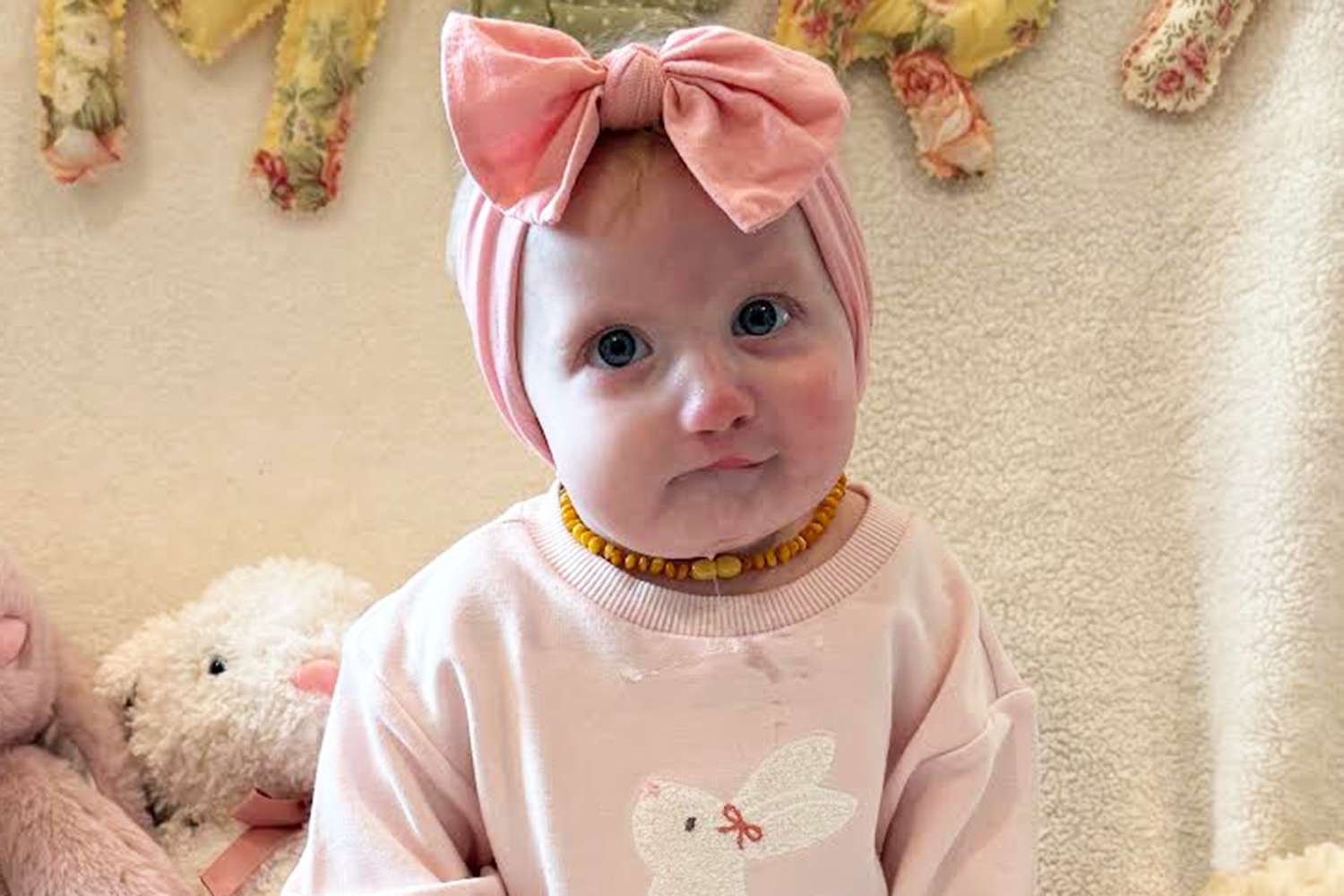
Leah Ragan tells PEOPLE her daughter’s diagnoses once filled her with fear, but now the 1-year-old continues to surprise doctors while hitting major milestones
Credit: Leah Ragan
NEED TO KNOW
- Leah Ragan says doctors discovered her daughter’s cleft lip during a 24-week anatomy scan after an otherwise healthy pregnancy
- After birth, the family learned the baby also had microglossia, an extremely rare tongue condition, as well as microtia and Goldenhar syndrome
- Now 1 year old, the child uses a feeding tube and bone-anchored hearing aids while continuing to hit major developmental milestones
At 24 weeks pregnant, Leah Ragan sat through another long ultrasound appointment while doctors tried to capture a clear image of her baby’s face. The scan had already taken longer than expected when a doctor suddenly paused and delivered news the then-19-year-old never saw coming.
“Out of nowhere she went, ‘Oh, and there’s a cleft lip,’ ” Ragan recalls to PEOPLE. “When I say my heart dropped so far, I’m not lying.”
At the time, Ragan thought the cleft diagnosis would be the hardest part of her pregnancy. Later, after opening up about her "traumatic" pregnancy and birth experience on TikTok, she shared that doctors had also diagnosed her daughter with Goldenhar syndrome, a rare congenital disorder affecting facial development.
Her daughter was also diagnosed with microtia, where the outer ear is underdeveloped or missing, and microglossia, an extremely rare condition involving an abnormally small tongue. Ragan says only about 50 documented cases have been recorded since 1718.
Up until that appointment, Ragan says she had already spent much of her pregnancy trying to manage fear. Shortly before moving into her sister’s house for college, she learned she was pregnant and later discovered she had a partial uterine septum, a condition where the uterus is abnormally shaped.
Like many first-time moms, she immediately searched online for answers, only to scare herself further after repeatedly seeing miscarriage warnings appear across her screen. Doctors reassured her the condition was not severe, but the uncertainty still lingered.
“The doctors calmed my nerves by saying it wasn’t a serious issue and I only had a partial septum,” she says, noting that once she found out she was pregnant, she postponed returning to college.
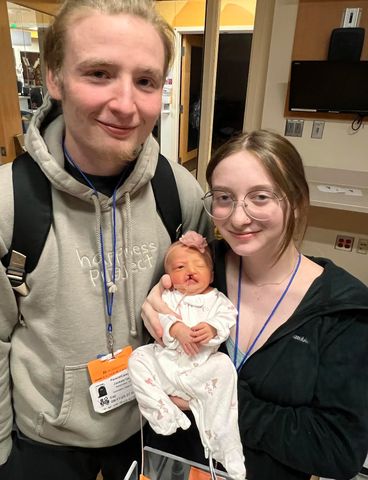
After the anatomy scan revealed the cleft lip and possible cleft palate, Ragan says she spent the rest of the workday crying while trying to process what life might look like for her daughter. Her boyfriend was at work during the appointment, leaving only her sister beside her as the reality slowly settled in.
Credit: Leah Ragan
Looking back now, though, Ragan says she wishes parents navigating similar diagnoses would allow themselves space to feel every emotion instead of trying to suppress the fear immediately.
“I wish I could tell parents going through the same thing that it’s okay to feel all the emotions you need to feel,” she says. “It’s okay to grieve the image you had in your mind, but everything is going to be okay.”
When her daughter was finally born at 37 weeks after a difficult labor, Ragan’s focus narrowed to one thing: hearing her baby cry after doctors rushed the newborn away for medical attention. But once the room quieted and she was finally able to hold her daughter, she noticed something unexpected beneath the hospital hat.
“I lifted her hat up and she had no ear, just a small part of her lobe,” Ragan says. “My mom immediately grabbed me and started comforting me, but honestly, that was the least of my worries. I just wanted her to be happy.”
In the months that followed, Ragan says her daughter underwent additional testing and evaluations as doctors worked to better understand the full scope of her medical needs. The growing list of diagnoses quickly introduced the young family to a world of specialists, surgeries and ongoing care plans.
According to the Cleveland Clinic, 1 in 3,000 to 5,000 babies are born with Goldenhar syndrome. Additionally, PubMed reported, “The congenital anomaly of extreme microglossia is uncommon and fewer than 50 cases have been described.”
Credit: Leah Ragan
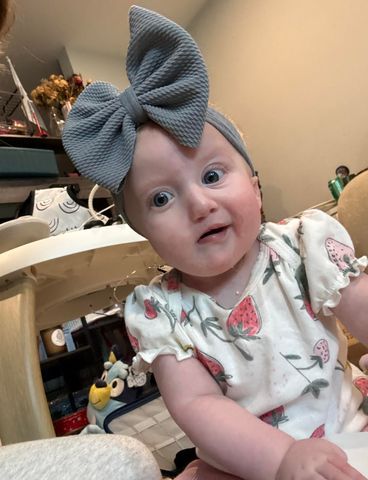
The diagnosis changed nearly every part of daily life as the family adjusted to surgeries, specialists and ongoing medical care. Her daughter now relies on a feeding tube for nutrition and wears bone-anchored hearing aids, also known as BAHAs, which help transmit sound through bone conduction.
Despite the uncertainty that once consumed her, Ragan says many of the fears she carried throughout pregnancy have slowly disappeared as she watches her daughter continue to reach milestone after milestone.
Never miss a story — sign up for PEOPLE's free daily newsletter to stay up-to-date on the best of what PEOPLE has to offer, from celebrity news to compelling human interest stories.
“At the beginning of our journey, I was terrified of mental disabilities or even quality of life, but all those fears have gone away,” she says. “She has hit almost every single milestone, and I’m enjoying the life of being a mother of a beautiful and wonderful girl.”
After posting the emotional TikTok recounting her pregnancy and delivery, Ragan says she began hearing from parents around the world navigating similar diagnoses, especially families of children with microtia and Goldenhar syndrome.
“It’s been incredibly hard for me to open up and share our story and advocate for our daughter,” Ragan says. “But this experience has really opened me up to stand up and be her voice.”
Read the full article here