

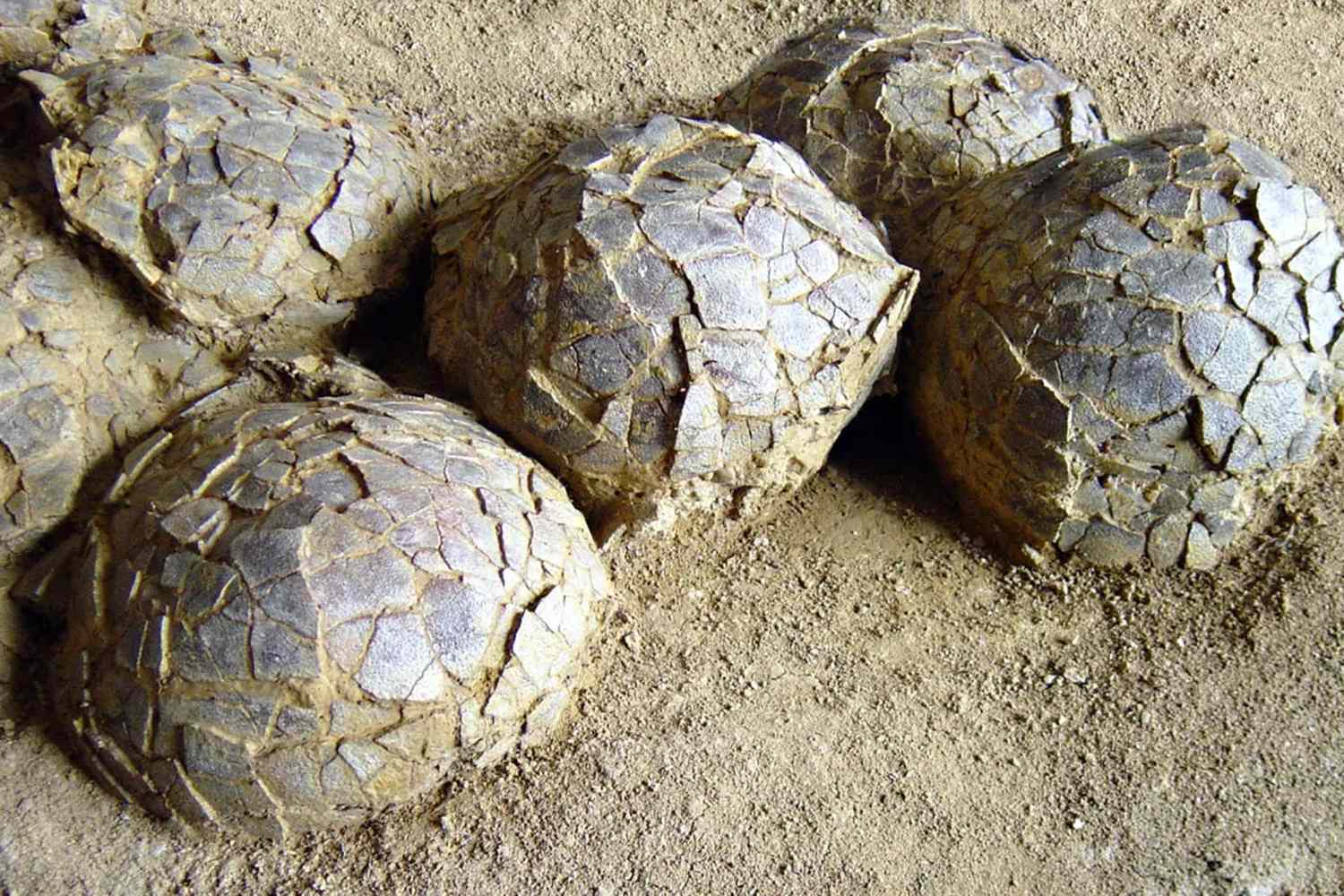
The fossilized eggs were likely laid by titanosaurs, massive herbivores measuring 50 feet long and weighing between 15 and 20 tons
Credit: MUSÉE DES DINOSAURES MÈZE
NEED TO KNOW
- About 100 fossilized dinosaur eggs the size of small melons have been discovered in southern France
- The eggs date back about 72 million years
- The eggs were likely laid by massive titanosaurs, herbivores that repeatedly returned to the same nesting ground
Roughly 100 fossilized dinosaur eggs the size of small melons have been discovered in southern France.
The eggs were uncovered in recent months at The Dinosaur Museum and Park in Mèze, a coastal town in the southern part of the country, according to The Times.
The eggs are believed to date back 72 million years ago to the Late Cretaceous period, when the region was part of the Ibero-Armorican Island, a prehistoric landmass made up of modern-day Spain, Portugal and southern France.
Geologist and museum founder Alain Cabot discovered the eggs on land belonging to the museum, and he believes there could be many more deeper underground.
“It's an extraordinary deposit and it will take generations of palaeontologists to study it,” Cabot told The Times.
Cabot said he believes the eggs were likely laid by titanosaurs, enormous long-necked herbivores that measured about 50 feet long and weighed between 15 and 20 tons.
Researchers believe periodic flooding and river overflows helped preserve the eggs by covering them in sediment millions of years ago.
Cabot also said that the dinosaurs always returned to the same general area to lay their eggs.
“They were like gnus in Kenya. They always went back to the same spot,” he explained, adding that the nesting ground is nine miles by three miles in area.
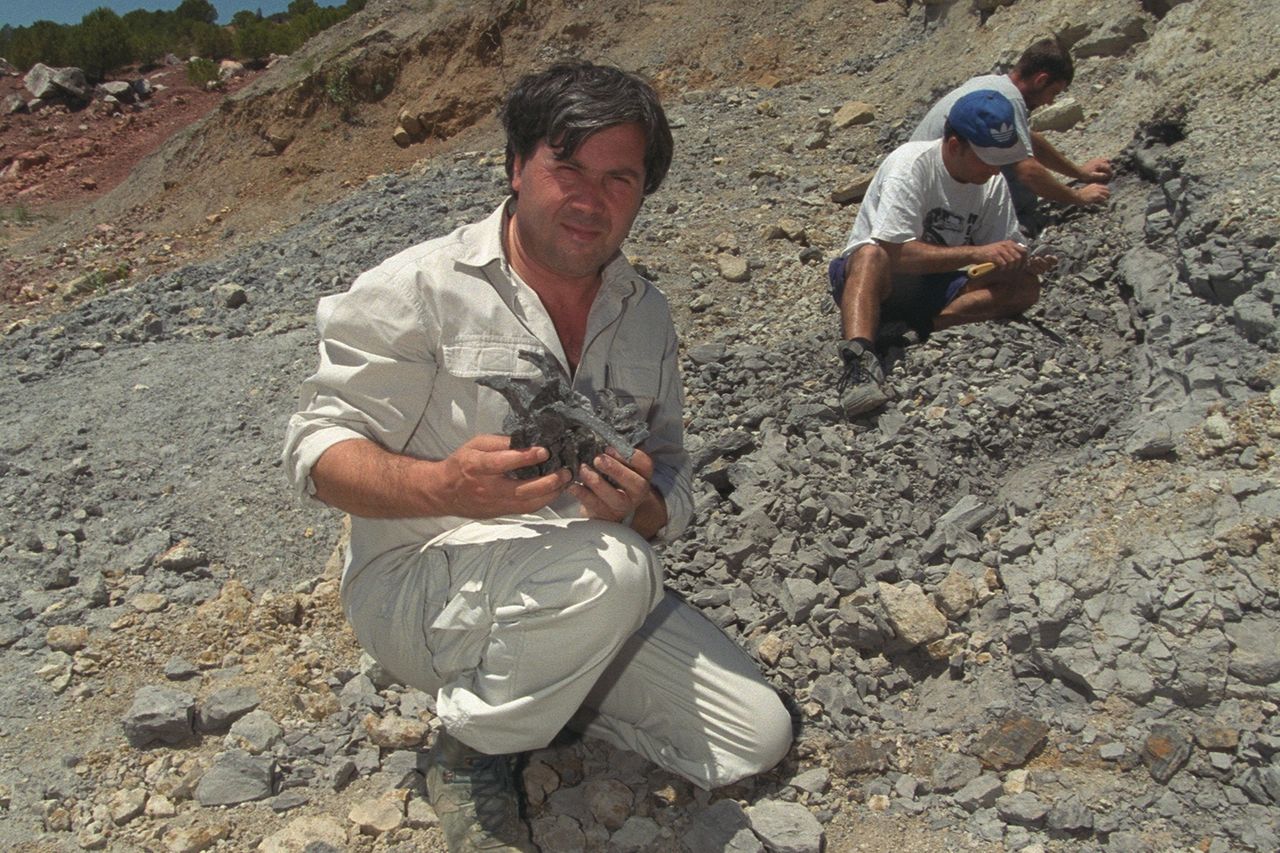
Credit: Alain Nogues/Sygma/Sygma via Getty
The discovery has generated widespread excitement in France, with some suggesting the site could eventually rival dinosaur egg deposits in places like Argentina and China.
“There are millions of eggs in southern France. I think it could be the biggest deposit in the world,” Cabot, who founded the museum three decades ago, told the newspaper.
However, not all paleontologists agree with the sentiment.
Romain Amiot, a paleontologist at the Laboratory of Geology of Lyon, told The Times that dinosaur eggs are relatively common in parts of southern France and cautioned against overstating the significance of the discovery.
“It's a very fine discovery but it's not exceptional,” Amiot said
Amiot noted, however, that studying the eggshells found at Mèze could provide valuable insight into prehistoric biodiversity and the effects of climate change on ancient ecosystems.
“There is a real societal interest in understanding how biodiversity has evolved in this changing world,” he said.
As to the next steps for the massive prehistoric eggs?
Never miss a story — sign up for PEOPLE's free daily newsletter to stay up-to-date on the best of what PEOPLE has to offer, from celebrity news to compelling human interest stories.
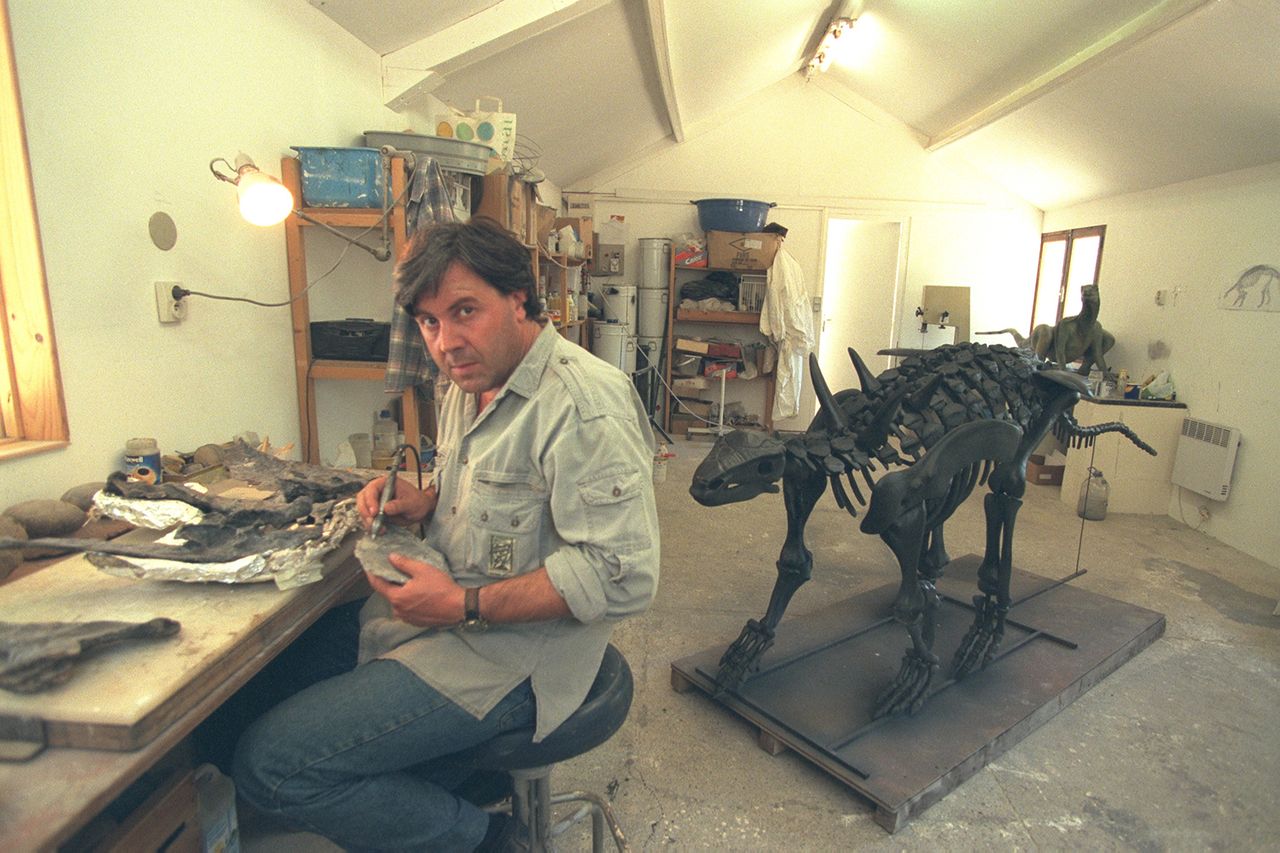
Credit: Alain Nogues/Sygma/Sygma via Getty
Cabot said he believes the eggs should remain in the ground on museum property.
“If they are extracted they will end up in cellars and on shelves somewhere. They deserve to be seen here,” he explained, adding that he has seen dinosaur eggs from China sold for over $20,000 online.
He said that his main goal when founding the museum was to prevent the site being “pillaged” by people merely looking to make money.
“We have saved the site. But it has been complicated,” he added.
Read the full article here