

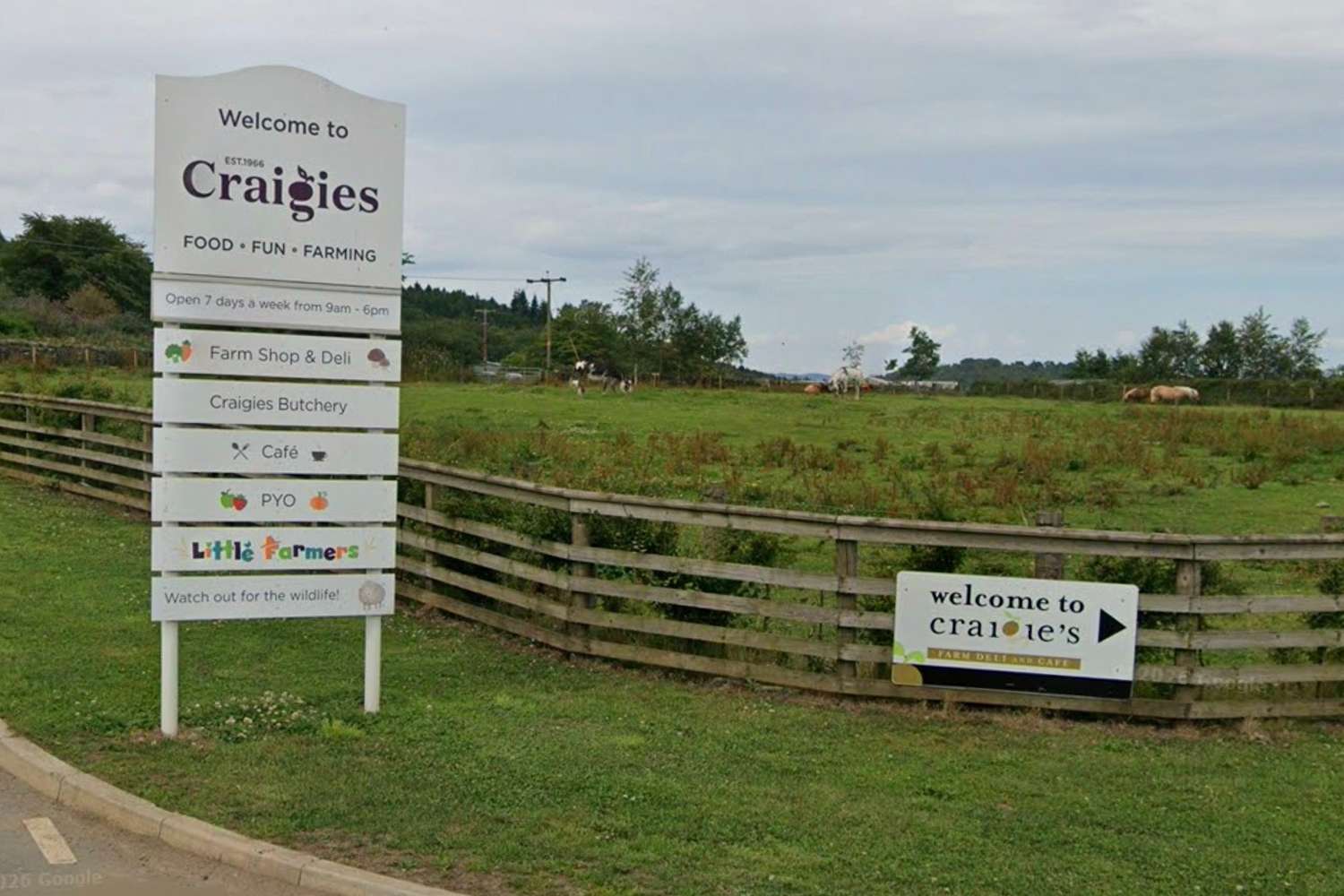
A spokesperson for Craigies Farm in Scotland told PEOPLE it takes the reports "very seriously" and has "strengthened" cleaning procedures
Credit: Google Maps
NEED TO KNOW
- Sixteen people have been affected by the illness cryptosporidiosis after visiting a petting zoo in Scotland
- The condition is caused by cryptosporidium, a microscopic parasite that can be transmitted through contact with farm animals
- Young children are most likely to get the illness, and symptoms include diarrhea, stomach pain, nausea and vomiting
Sixteen people have become ill with a parasitic infection after visiting a petting zoo in Scotland, health officials have told PEOPLE.
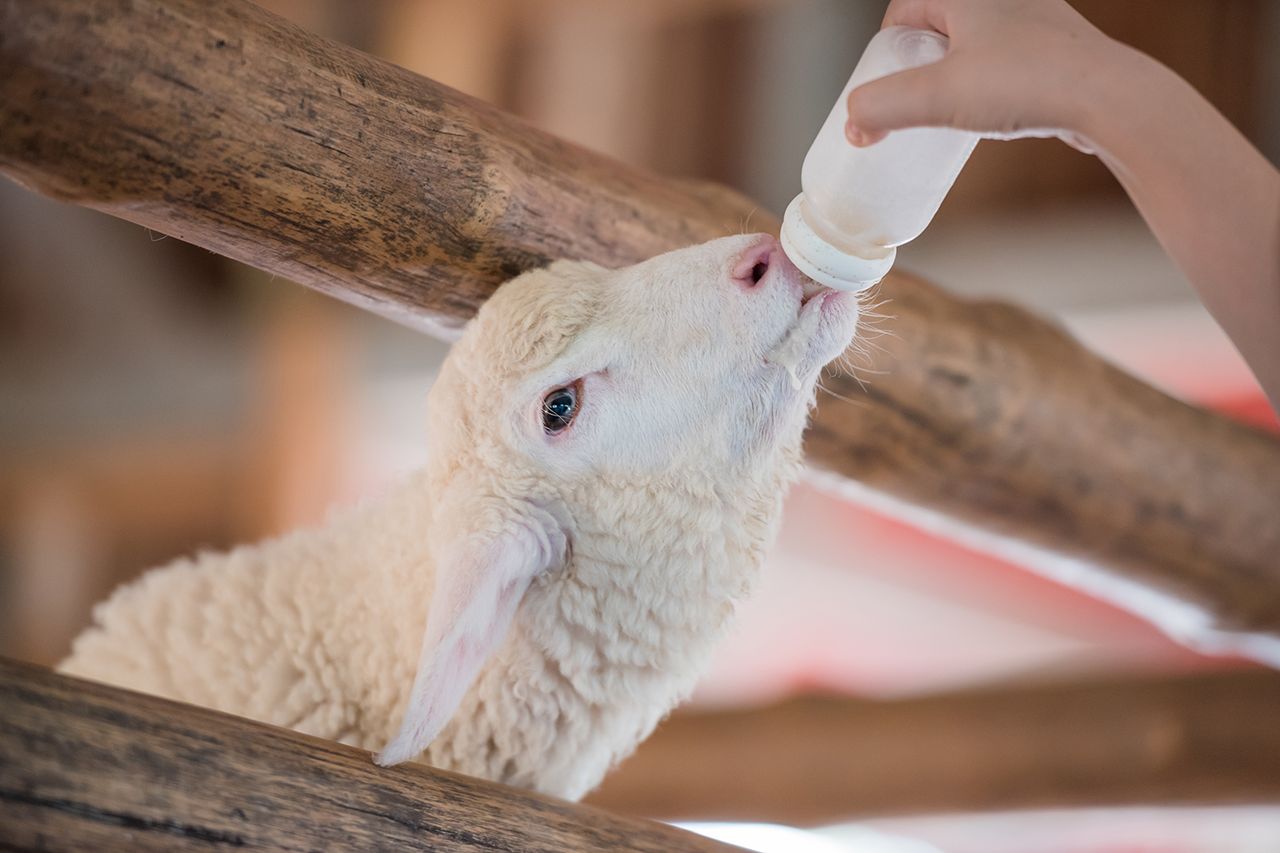
NHS Lothian confirmed the reports of 16 cases of cryptosporidiosis linked to a lamb-feeding experience at Craigies Farm in South Queensferry, a town near Edinburgh.
A spokesperson for Craigies, which also runs a cafe, farm shop and deli, told PEOPLE the farm takes the reports "very seriously" and has strengthened cleaning procedures.
Credit: Getty
NHS Lothian told PEOPLE that environmental health officers were working with the site, which remains open.
A lamb-feeding experience ran as planned, ending on Monday, May 4, and Craigies told PEOPLE that visitors have been stopped from cuddling the lambs.
The spokesperson added that the environmental health team was content with the "controls, procedures and hygiene measures in place."
They added, "We also work alongside the National Farm Attractions Network, a U.K.-wide organization that supports farms and environmental health teams with best practice guidance to ensure these types of experiences can operate as safely as possible."
Credit: Getty
According to the Cleveland Clinic, cryptosporidiosis is most commonly seen in children aged between 1 and 4, and the most common symptoms include diarrhea, stomach pain, nausea and vomiting. It's caused by cryptosporidium, a microscopic parasite.
Outbreaks have been linked to contact with infected animals — including sheep, cattle, pigs and goats — during visits to farms, as well as drinking or swimming in contaminated water, says the U.K. Health Security Agency.
Dr Graham Mackenzie, NHS Lothian public health consultant, told PEOPLE: "Infection can be picked up by touching or petting animals or through contact with fields, fences, gates and buildings where animals have been kept. We generally see a seasonal increase in cryptosporidiosis cases in springtime and all cases are investigated to identify a source."
He urged people to wash their hands after contact with animals, or with areas where animals are kept, to reduce the risk of infection.
Craigies told PEOPLE, "As with all farms, the key control is good hygiene … We provide handwashing facilities [and] clear guidance before, during and after the experience. The health and safety of our visitors is our priority, and we will continue to review and improve our processes where required."
Never miss a story — sign up for PEOPLE's free daily newsletter to stay up-to-date on the best of what PEOPLE has to offer, from celebrity news to compelling human interest stories.
Earlier this spring, the BBC reported that health officials in Wales urged people not to handle lambs when visiting farms, following over 500 cases of cryptosporidiosis in the country last year — over a third of which (35 percent) involved children under 10.
Last May, more than 70 people who visited a farm in the Welsh town of Cowbridge were infected by the parasite, with 16 hospitalized.
Read the full article here