

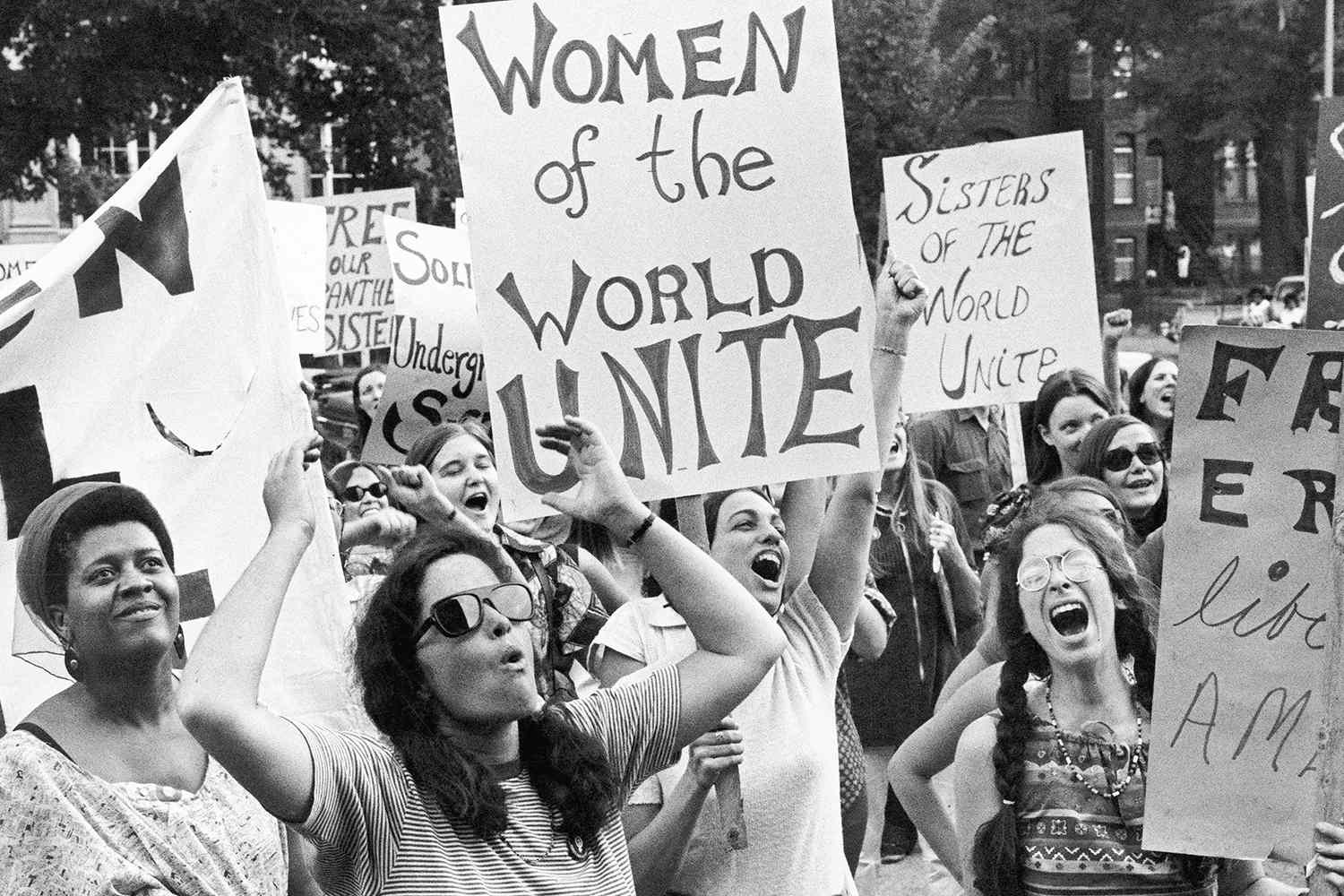
What started as a one-day observance over a century ago turned into a month-long celebration highlighting women's contributions to history and society
Credit: Don Carl STEFFEN/Gamma-Rapho via Getty
NEED TO KNOW
- Women’s History Month is celebrated every March in the United States and in several other countries around the world
- Former President Jimmy Carter declared National Women’s History Week in 1980 before it became a month-long observance in 1987
- The National Women’s History Alliance announced the 2026 theme as “Leading the Change: Women Shaping a Sustainable Future”
Though women make history year-round, March marks the annual observance of how their contributions shape culture and society.
Designed by Congress as Women's History Month, there's a thematic celebration dedicated to exploring the impact, stories and perspectives of women throughout U.S. history.
For March 2026, the National Women's History Alliance (NWHA) announced the theme: "Leading the Change: Women Shaping a Sustainable Future."
"This theme honors the women who have and are reimagining and rebuilding systems to ensure long-term sustainability — environmental, economic, educational and societal," stated NWHA. "It recognizes the powerful leadership of women in creating a future that is rooted in equity, justice, and opportunity for all."
From its origins to important dates to commemorate throughout March 2026, including International Women's Day on March 8, read on to learn more about Women's History Month.
When is Women's History Month?
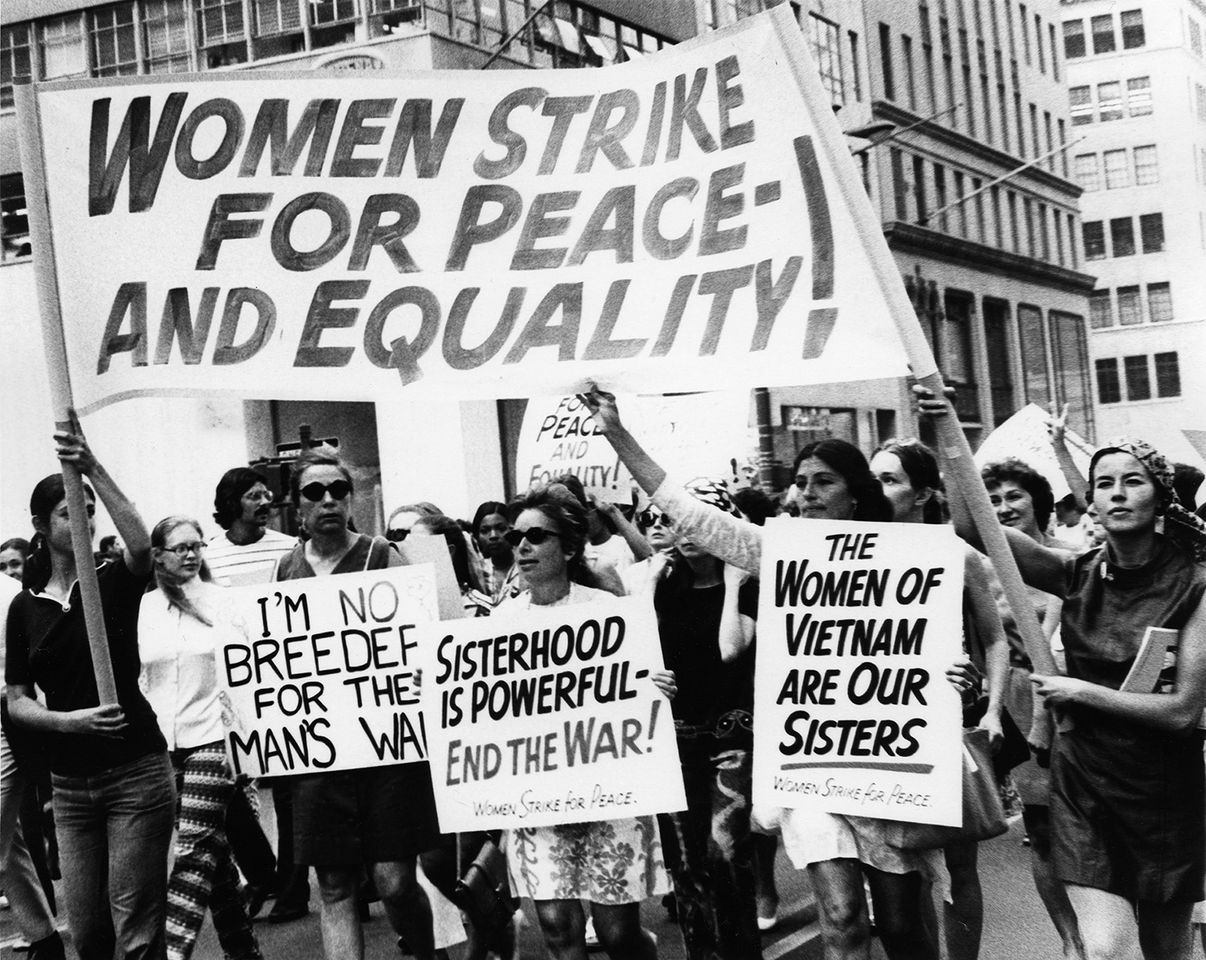
Credit: Eugene Gordon/The New York Historical Society/Getty
Women's History Month is a month-long celebration observed in March, highlighting women's accomplishments, the significant personal and societal roles they've played and how they continue to inspire others today and throughout history.
Why is Women's History Month in March, and how did it begin?
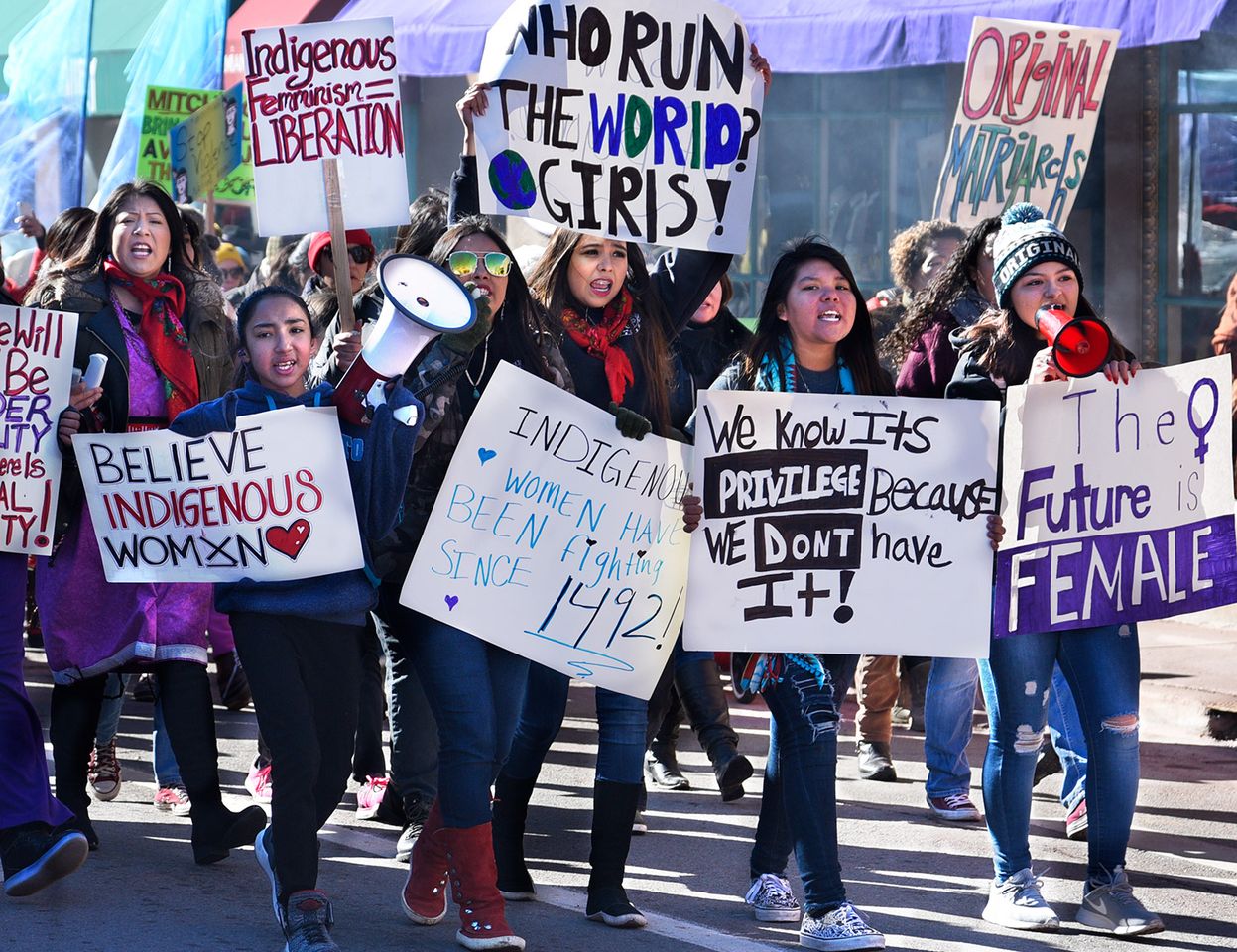
Credit: Robert Alexander/Getty Images
The seeds of Women's History Month began on Feb. 28, 1909, with National Woman's Day. Per the official website for International Women's Day, it marked the protest of N.Y.C. women workers who marched through the streets the year prior, advocating for better working conditions and women's suffrage.
In 1910, a German activist named Clara Zetkin suggested that National Woman's Day be recognized as International Women's Day at an International Conference of Working Women in Copenhagen, according to the BBC. With 17 countries in attendance at the conference, the attendees — including members of unions, socialist parties and working women's clubs — unanimously approved Zetkin's idea.
The first International Women's Day was celebrated in 1911 in Austria, Switzerland, Germany and Denmark. However, the holiday wasn't widely celebrated in the U.S. until the United Nations began marking it in 1975, per the UN's official site.
In 1977, to persuade school principals to comply with the recently passed Title IX, a task force in California created Women's History Week for the following year, according to CNN.
After celebrations had spread across the country, former President Jimmy Carter designated March 2-8, 1980, as Women's History Week. The following year, Congress passed legislation to support the week-long commemoration.
Per the National Women's History Museum, the late former Utah Senator Orrin Hatch and former Maryland Senator Barbara Mikulski co-sponsored the first Joint Congressional Resolution, declaring the week of March 8, 1981, National Women's History Week. In 1987, Congress declared the entire month as Women's History Month. Since then, every president has proclaimed the annual observance in March.
Why do we celebrate Women's History Month?
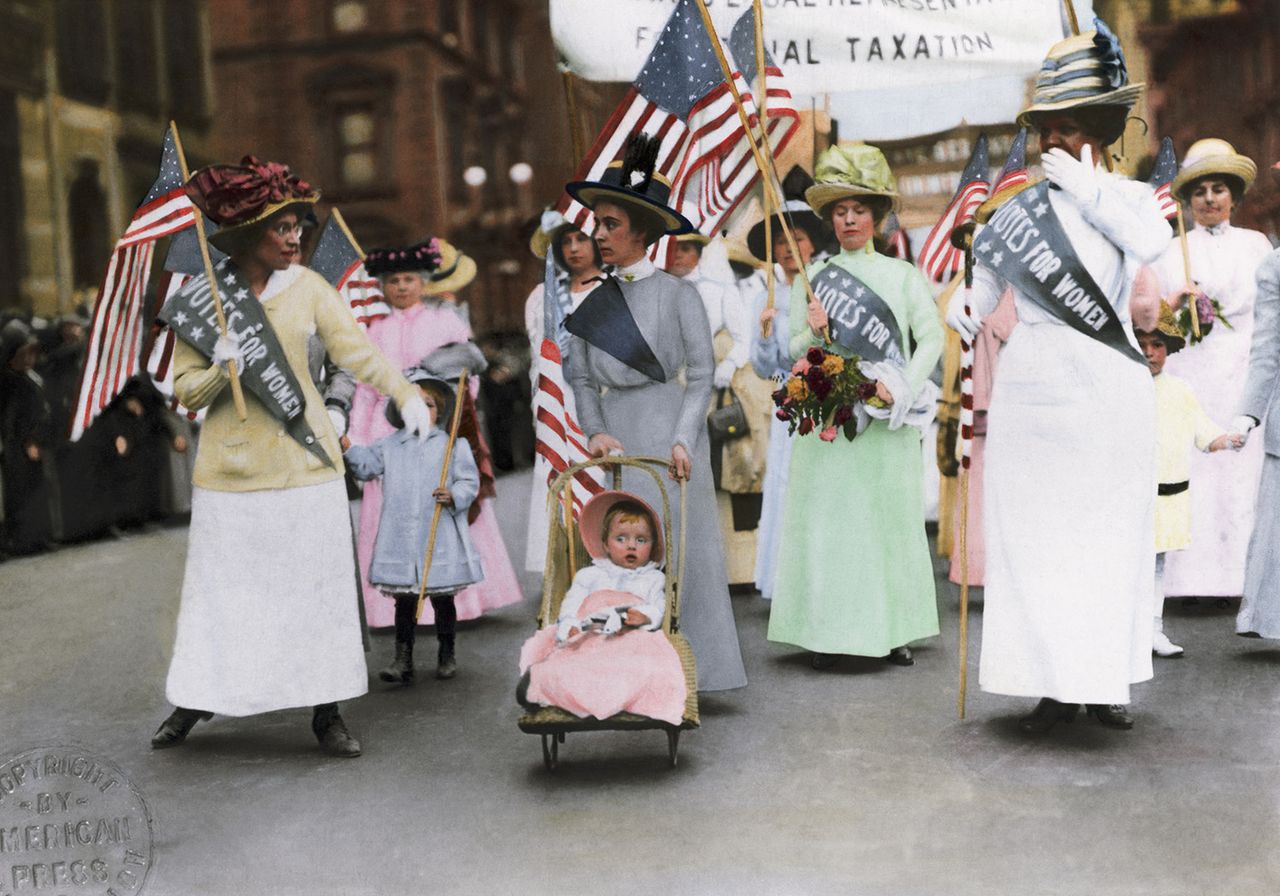
Credit: Getty Images
We celebrate Women's History Month to remind everyone of the achievements of women throughout the years in our culture and society, and to emphasize their accomplishments and pivotal moments in history.
From science to politics to entertainment, it provides an opportunity to reflect on the trailblazing women who have paved the way for change.
What are some key dates during Women's History Month?
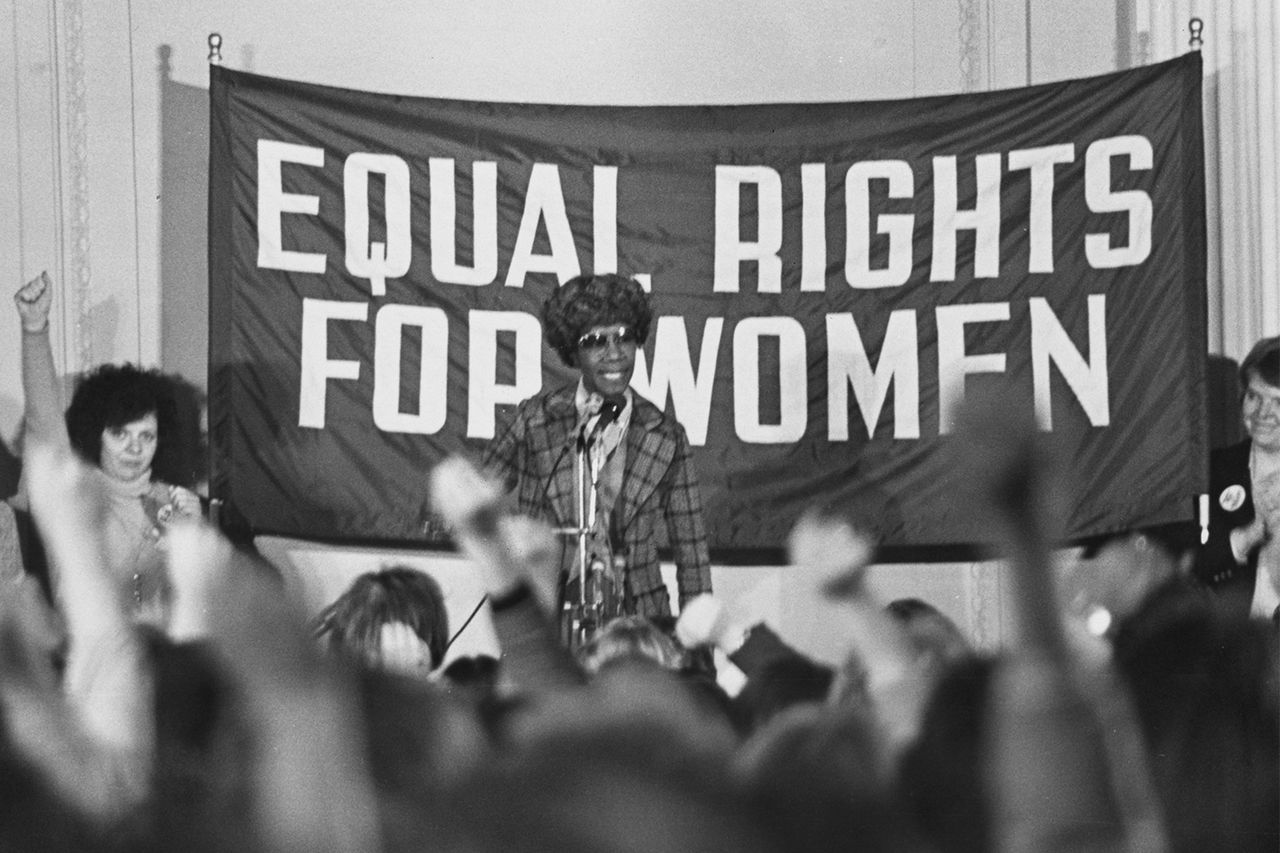
Credit: Nancy Shia/Archive Photos/Getty
- International Women's Day is celebrated annually on March 8 and was established as a holiday in 1911.
- Per PBS, the first major march on Washington by suffragists occurred on March 3, 1913.
- The National Woman's Party was formed in March 1917. The group was dedicated to fighting for women's right to vote, according to the Library of Congress.
- Title IX was passed on March 1, 1972. In fact, the first-ever Women's History Week was issued to bolster support for Title IX, which prohibited discrimination due to sex in federally funded education programs and activities.
- The Equal Rights Amendment was passed in the Senate on March 22, 1972.
What is this year's Women's History Month theme?
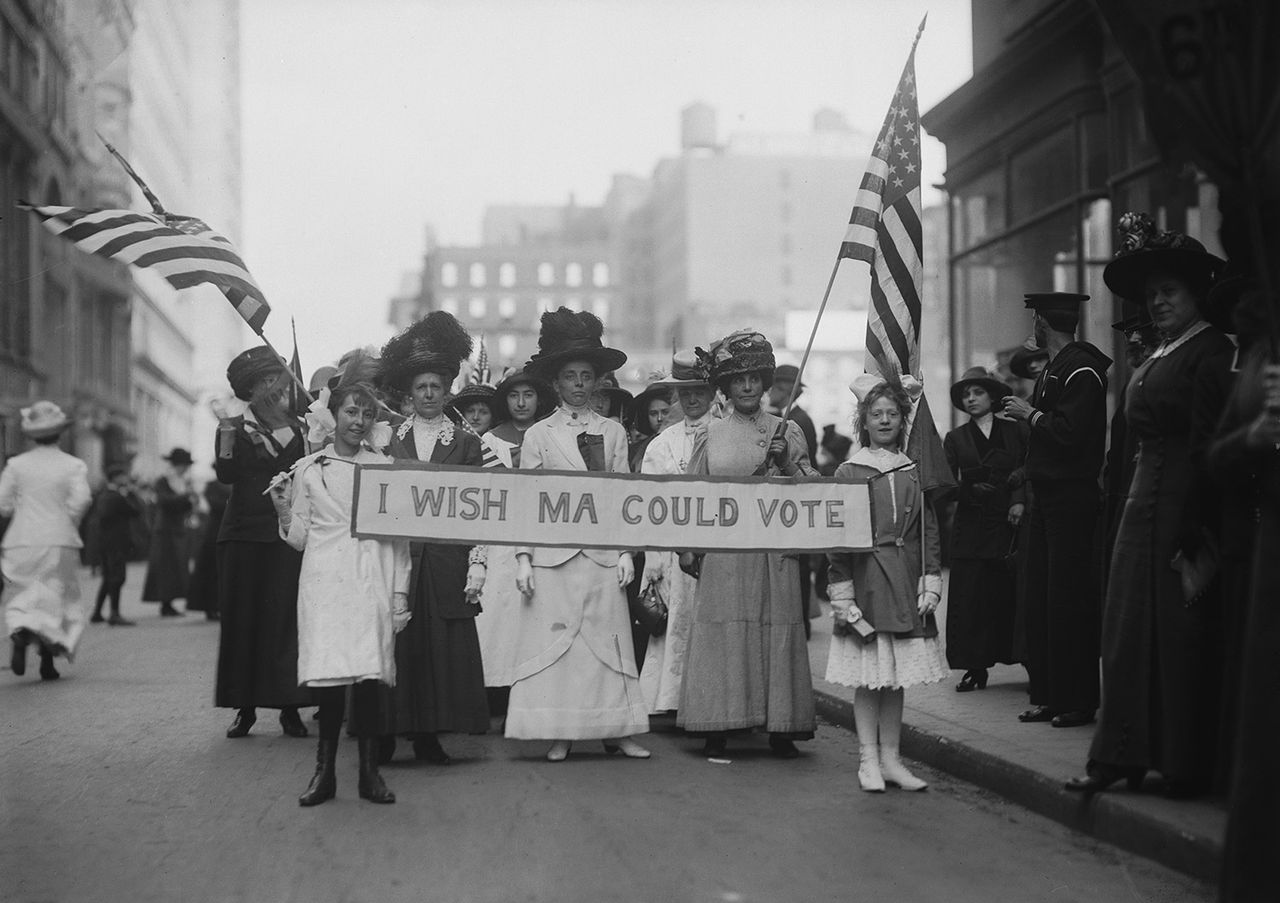
Credit: Getty Images
The theme for Women's History Month 2026 is "Leading the Change: Women Shaping a Sustainable Future."
As the NWHA explained, society is at a time in history where many global challenges — "climate change, economic insecurity, healthcare disparities and threats to democratic participation" — are converging.
As such, the theme, the organization suggested, "expands our understanding of sustainability beyond just environmental concerns. It encompasses financial sustainability, community resilience, leadership succession, and intergenerational equity."
NWHA added, "Whether developing green technologies, advancing economic justice, strengthening education systems or building civic power, women are designing blueprints for sustainable transformation. This theme affirms that shaping a sustainable future means fostering systems that support both people and the planet."
Read the full article here