

The Netflix film, based on real-life events, ends with Ted Kaczynski being apprehended after the FBI’s years-long search for the Unabomber
Credit: Philippe Bosse/Netflix
NEED TO KNOW
- Unabomber premiered on Netflix on Sept. 25
- The film explores Ted Kaczynski’s early life, his crimes and the FBI’s efforts to capture him
- The movie highlights real-life details, including Kaczynski’s arrest and the controversial experiments he endured at Harvard
Ted Kaczynski’s crimes have been examined in documentaries and television shows before, but Netflix’s Unabomber turns its attention to the disturbing path that came before his years-long string of violence.
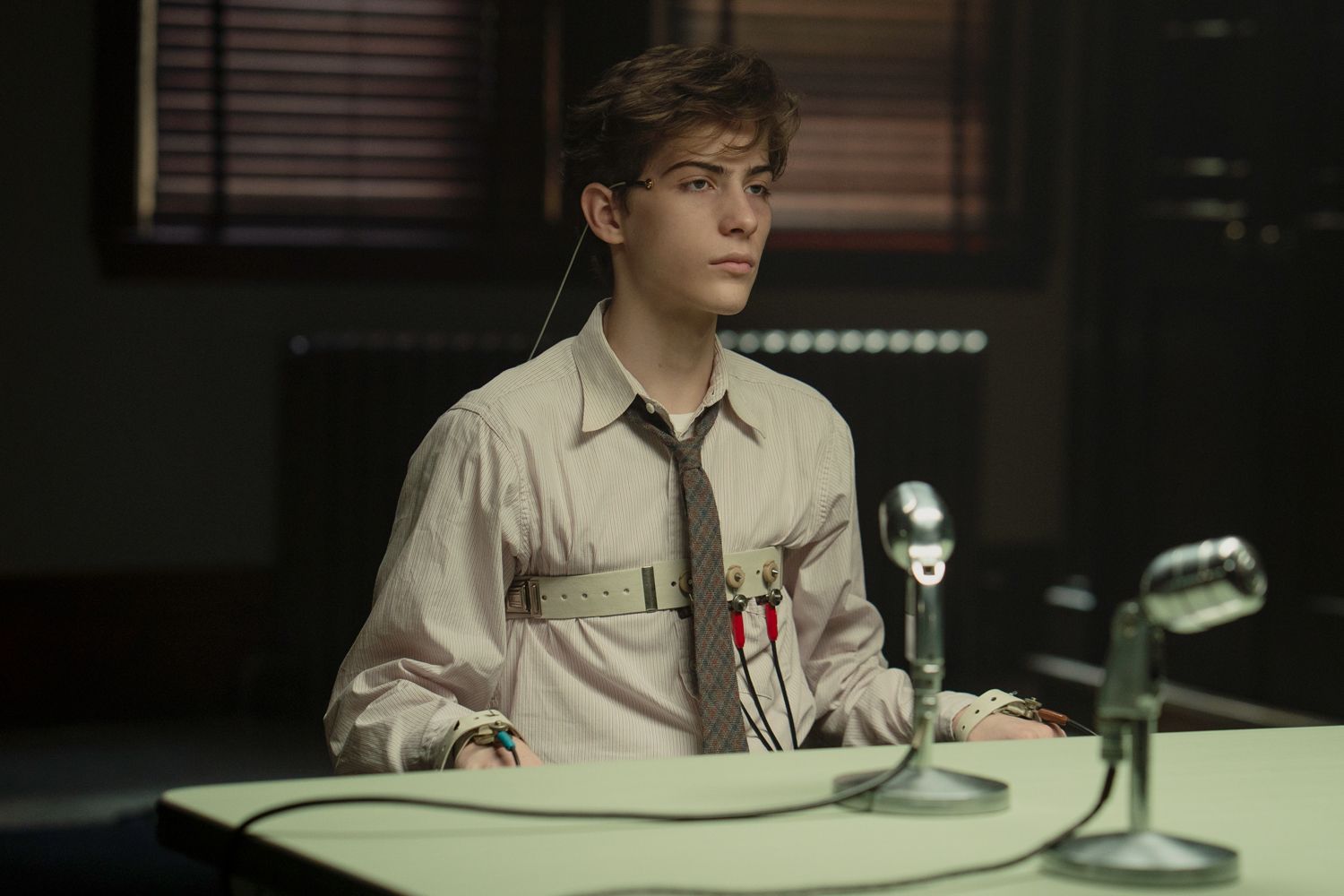
Inspired by true events, the film moves between two periods in Kaczynski’s life: his arrival at Harvard as a gifted 16-year-old in 1958 and the FBI’s hunt for the Unabomber decades later.
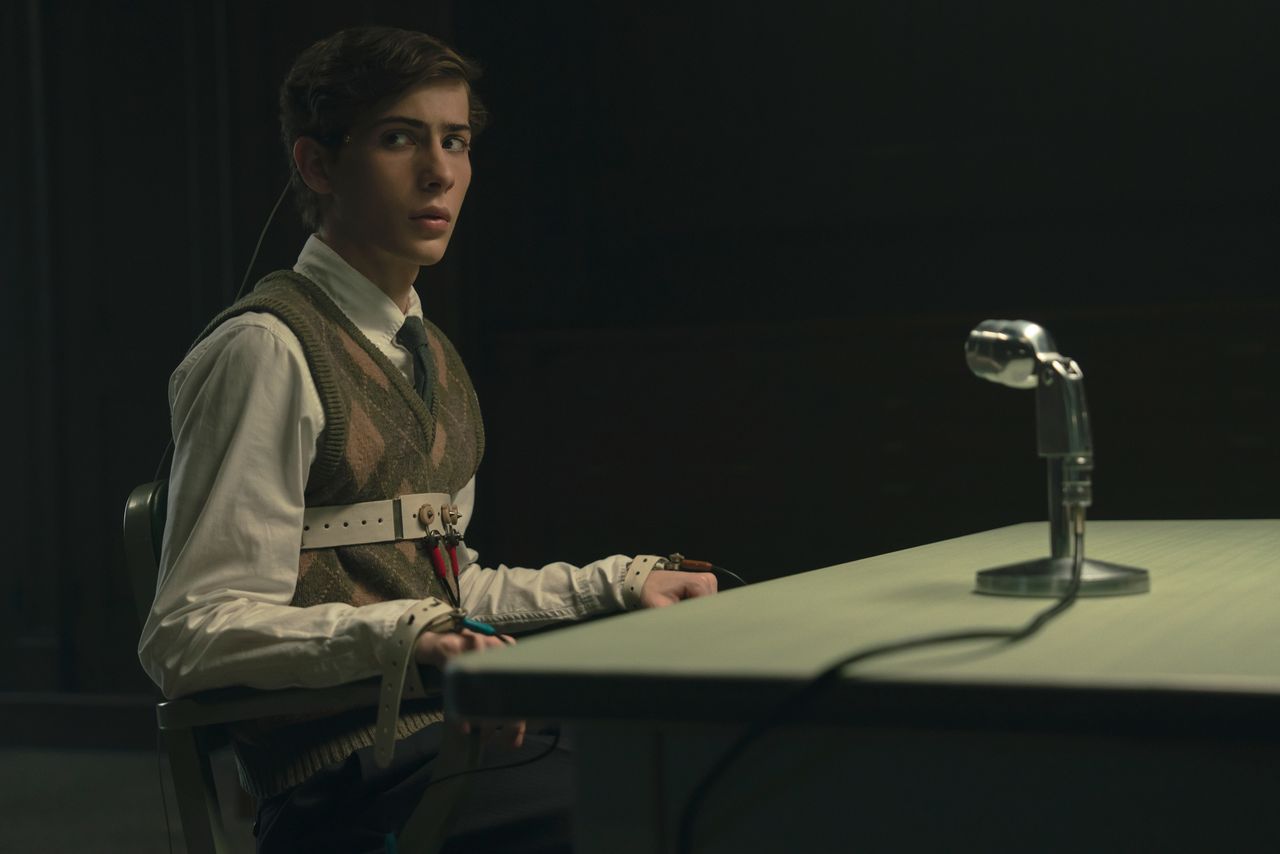
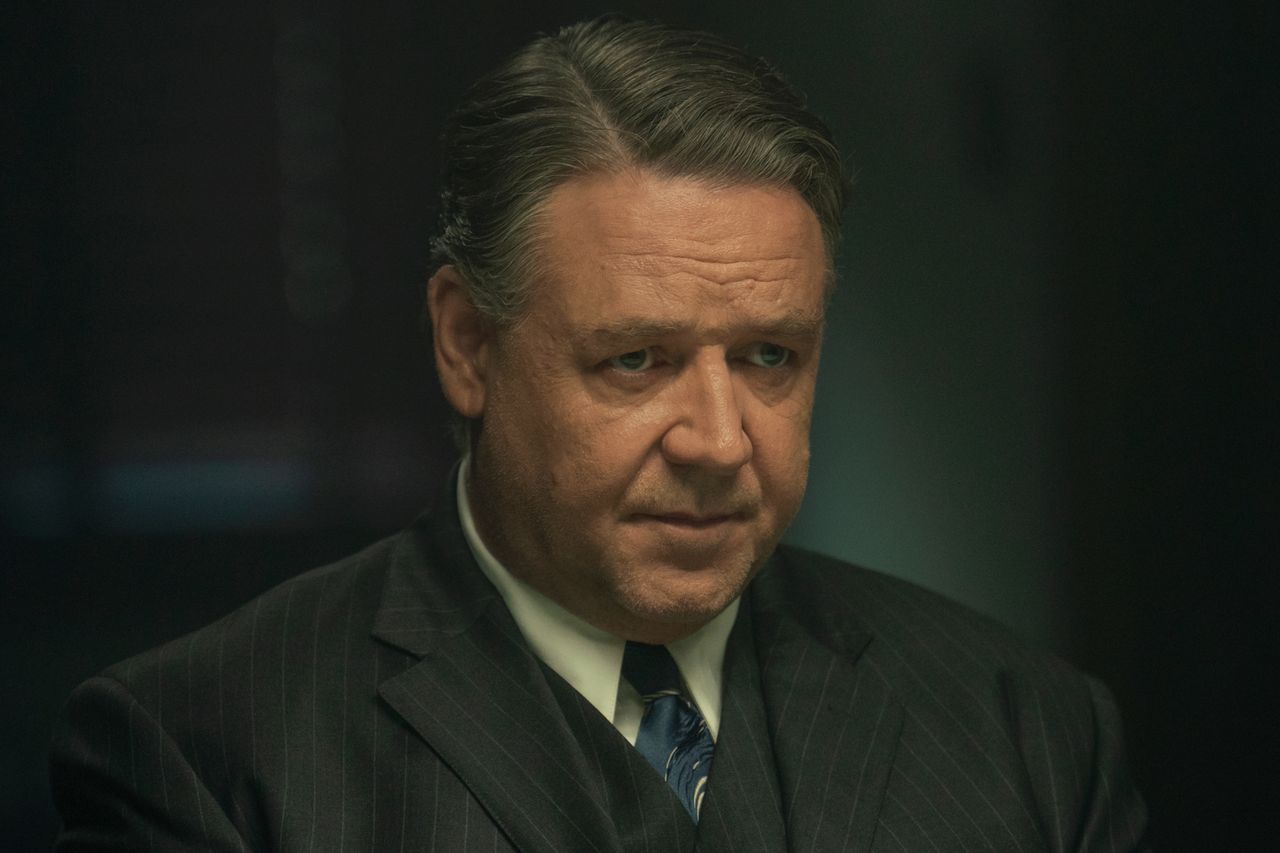
Jacob Tremblay plays a young Kaczynski, whose feelings of alienation get more intense after he takes part in a controversial psychological experiment led by Professor Henry A. Murray (Russell Crowe). In present-day 1995, the fictional FBI agent Joanne Miller (Shailene Woodley) searches for the person responsible for mysterious explosions over the last 16 years.
In July 2026, Woodley spoke to Netflix’s Tudum about the unsettling similarity between her character and the man she is pursuing, saying that “neither one of them is willing to back down from their intuition and their instincts.”
So, what happened at the end of Unabomber? Here’s everything to know about the Netflix film’s final moments, and what happened after in the real-life events.
Warning: Unabomber spoilers ahead!
How did Unabomber end?
Credit: Philippe Bosse/Netflix
Throughout the film, Agent Miller refuses to abandon the investigation, even after being discouraged from following the case by her superiors who felt as though there wasn’t enough evidence pointing to Kaczynski.
Certain that Kaczynski is the man responsible for a string of bombings that killed three people and injured 23 others, Miller secretly travels to his isolated cabin in the Montana woods. While quietly watching the property from a distance, she sees Kaczynski emerge to inspect one of his traps.
Although Miller confirms that he is still living there, she still needs evidence tying him to the crimes. Miller turns her attention back to Kaczynski’s brother, David Kaczynski (Matthew Kevin Anderson), who originally tipped the FBI off.
Earlier in the film, David’s wife felt as though the language in the Unabomber Manifesto’s — the 25,000 essay explaining the bomber’s motives and views of the ills of modern society published by The New York Times and The Washington Post — felt similar to some letters Kaczynski had written over the years. Initially hesitant, David connected with the FBI in an effort to prove that his wife’s theory was false.
After learning that David has gone to his mom’s home, Miller follows him and persuades him to let her examine his brother’s old belongings. Upon doing so, she discovers some of Kaczynski’s writing that appears to be a draft of the Unabomber Manifesto.
She brings the document to her boss, and their team comes up with a plan to approach Kaczynski without tipping him off. Their plan is almost disrupted when Kaczynski’s name is leaked to CBS. However, Miller convinces them to hold the story in exchange for another exclusive: the fact that it was Kaczynski’s brother who turned him in.
After making the deal with CBS, a local ranger knocks on Kaczynski’s cabin door and claims that local copper miners are interested in inspecting the property lines around the land. When Kaczynski reluctantly steps outside, the agents waiting nearby move in and arrest him.
By the end of the film, a search of the cabin uncovers a ready-to-mail bomb and other evidence connecting Kaczynski to the attacks, bringing the years-long manhunt to an end.
The events leading the FBI to Kaczynski in the film are mostly accurate to real life. Per The New York Times, David really did turn his brother in after his wife recognized the language in the Unabomber Manifesto, which was actually published in The Washington Post and The New York Times following the killer’s demands.
CBS also did receive the Unabomber’s name before the FBI had a chance to apprehend him, though according to Time, the news organization also had David’s name on their own, rather than an agent sharing it in a deal.
As for what was actually found inside Kaczynski’s cabin, the FBI discovered several bomb components, 40,000 handwritten journal pages that included bomb-making experiments and descriptions of Unabomber crimes and one live, ready-to-mail bomb, per the FBI’s website.
What happens to Professor Murray and the trial?
Credit: Philippe Bosse/Netflix
Kaczynski was initially under the impression he was selected for Professor Murray’s debate experiment because the professor, whom he admired, saw something exceptional in him. While Kaczynski aspired to become a philosopher himself one day, everything comes crashing down once he discovers he was only chosen because he met the experiment’s requirements and brought the age range down.
Kaczynski learns that he was manipulated, and that Murray and his team had been studying his response to stress during these debates to better understand soldiers returning from war and to see what makes young men submit. After learning the truth, Kaczynski confronts Professor Murray while delivering a “gift.”
Murray proceeds to tell Kaczynski that he believes he is schizophrenic based on his responses and behaviors over the course of his debate sessions, and continues to beat down on his beliefs in an effort to prove that all men can be broken. After Kaczynski accuses his experiment of being controlled by the CIA, Murray insists he is just a revered Harvard professor.
In response, Kaczynski tells him he is not revered and reveals that he has manipulated Murray by sending him fake letters seemingly written by prominent professors at other universities. The letters praise Murray and his research, feeding the professor’s desire to feel respected. Kaczynski uses the deception to expose what he believes is Murray’s real motivation, telling him that his work has never improved anyone’s life and that the experiment only served his own ego, making him a failure in the process.
Before leaving, Kaczynski presents Murray with a neatly wrapped box and says that he is “sure it’ll leave an impression.” The film cuts between Murray cautiously opening the suspicious package and FBI agents apprehending Kaczynski decades later. Inside the box, Murray finds a copy of Herman Melville’s Moby-Dick — a callback to an earlier scene in the film where Murray used the book in one of his lectures.
Kaczynski has underlined a few lines within the passage, including “however baby man may brag of his science and skill and “to the crack of doom, the sea will insult and murder him.”
As Murray slams the book onto the table, Kaczynski walks home and ignores a “wait” sign on a crosswalk, signaling his defiance of society.
The closing text at the very end gives a final update on the real-life Murray and his work. According to the film, Murray retired in 1962, and his report was considered a disappointment. Although not revealed in the film, he died in June 1988, per The New York Times.
Another title card states that the CIA funded more than 150 of these “experiments” on college campuses between 1953 and 1963.
What happened to Ted Kaczynski?
Credit: (Photo by Stephen J. Dubner/Getty Images)
The film ends with Kaczynski being apprehended, and summarizes the years to follow via text on the screen.
The closing text describes the search for the Unabomber as the longest and most expensive manhunt in FBI history. His attorneys attempted to have him declared legally insane, but Kaczynski denied it, per the film.
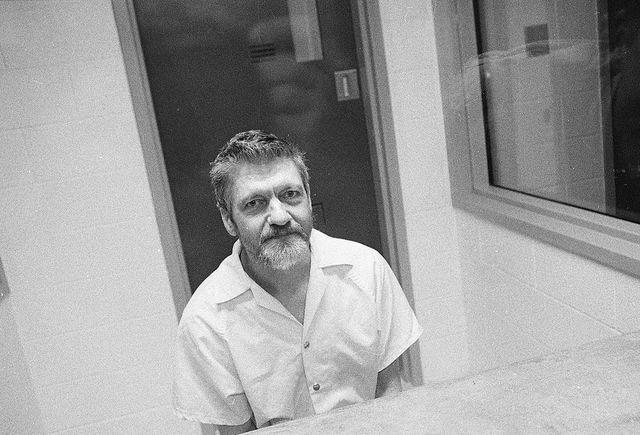
Kaczynski ultimately pleaded guilty in 1998 in exchange for a life sentence without the possibility of parole. He spent most of his sentence at a Supermax prison in Colorado before being transferred to a prison medical facility in North Carolina in 2021. He died by suicide there in June 2023 at age 81 while suffering from late-stage cancer, according to the Associated Press.
The final scene of the movie show a photograph of the real-life Kaczynski with archival audio where he discusses the letters he received from people who viewed him as a cult leader.
“My personal preference is to be depicted truthfully,” he says. “If I could be used as a symbol for promoting revolutionary activity, that’s fine with me.” Kaczynski adds that his primary objective was to eliminate the industrial system “by whatever means may be necessary.”
If you or someone you know is struggling with mental health challenges, emotional distress, substance use problems, or just needs to talk, call or text 988, or chat at 988lifeline.org 24/7.
Read the full article here