

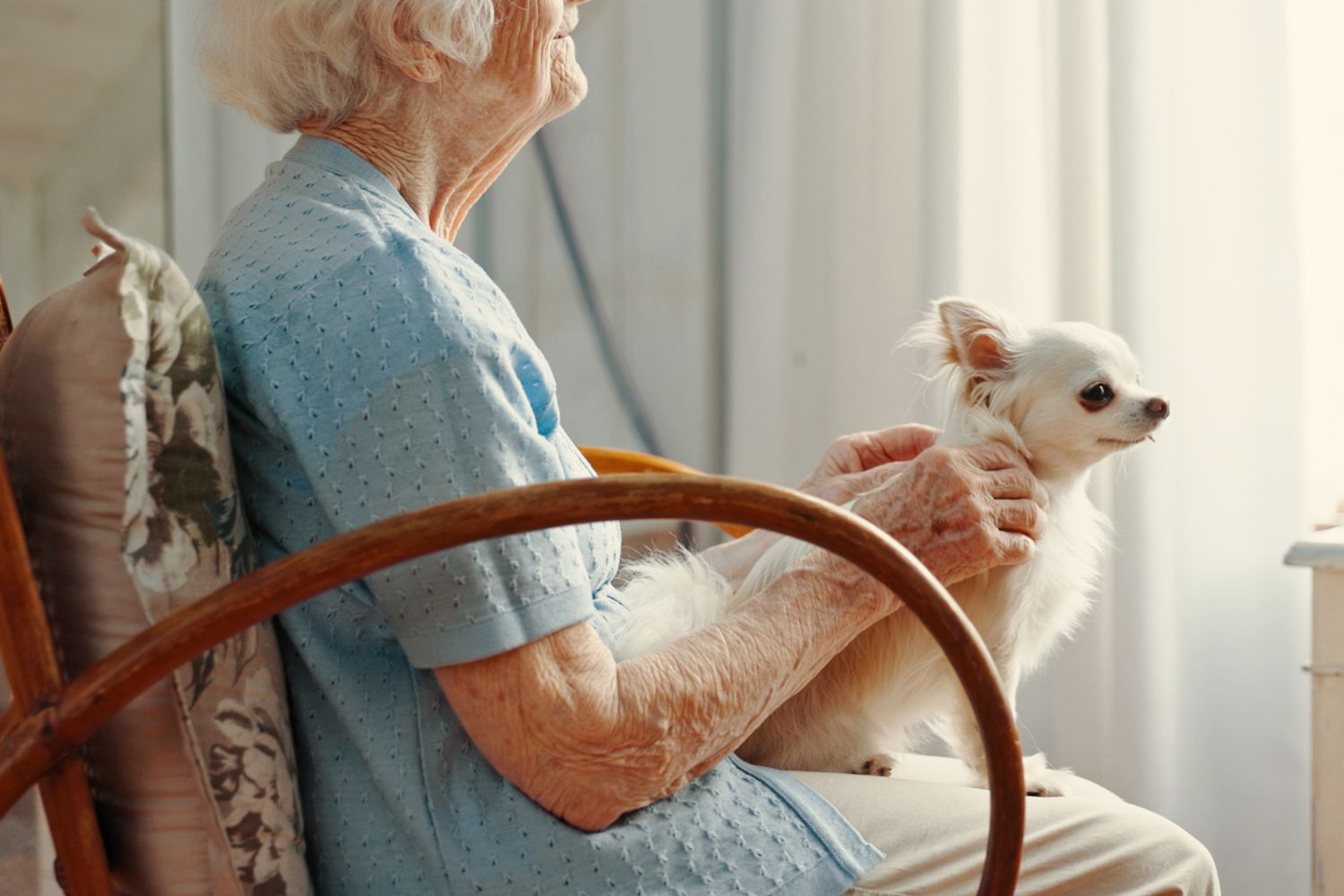
As the search for Nancy Guthrie continues, people with senior family members worry about keeping them safe
Credit: Getty
NEED TO KNOW
- As the search continues for Nancy Guthrie, people with senior family members are worried about how to keep them safe
- The biggest risk to seniors isn’t abduction, but unreported health events, Dr. Zaid Fadul, Chief Medical Officer at WoundCare360, tells PEOPLE
- He suggests remote devices to monitor their health, as well as a hard-wired security system for other safety concerns, such as break-ins
As the search continues for Nancy Guthrie, families with senior loved ones are worried about keeping them safe and wondering how to protect them — especially if they live alone.
But "elder abduction is not that common,” Dr. Zaid Fadul MD, Chief Medical Officer at WoundCare36, an in-home concierge care service, tells PEOPLE. The bigger risks, he says, are severe health events, elder abuse and house break-ins.
Credit: Getty
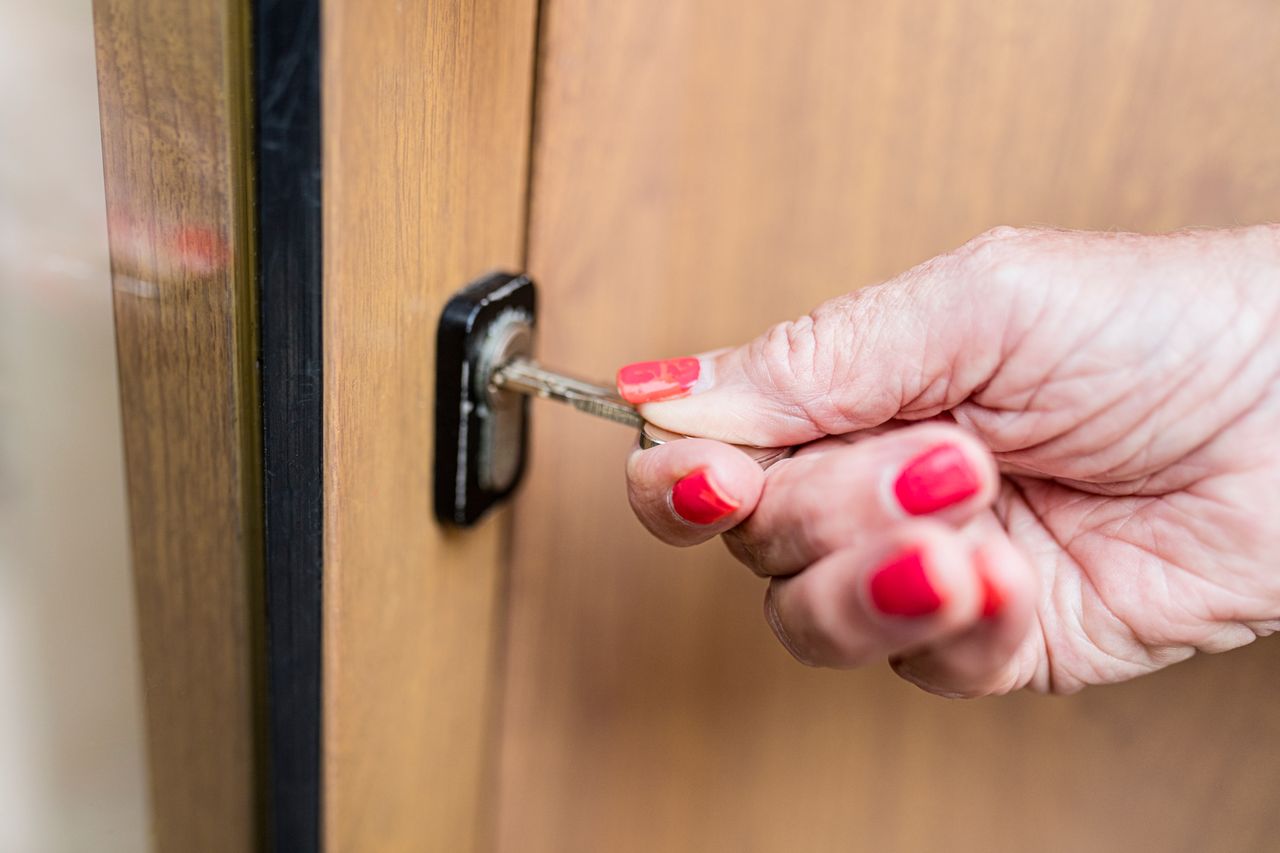
To address health concerns, Fadul says, “one of the things that we like to do is remotely monitor all our patients” with devices that measure vital signs and track any concerning changes. Specifically, he recommends getting a blood pressure cuff, a pulse oximeter to measure oxygen and a scale.
While tracking blood pressure and oxygen may seem obvious, other conditions can be associated with weight loss or gain. That's why a scale is helpful. For example, he says, in cases of congestive heart failure, “If you're seeing her gain 2 or 3 pounds of weight day after day, she's retaining water. She is likely to be hospitalized within a few days of that.”
Credit: Getty
He also suggests keeping a physical and digital record of a senior's medications, especially if they’re on multiple drugs. For example, he says, if you give someone nitro paste — a common treatment for chest pain, as it can relax the blood vessels — if “they're on Viagra or something else like that, you could cause a much worse issue in that moment. So I always encourage my seniors to keep an active med list on them.”
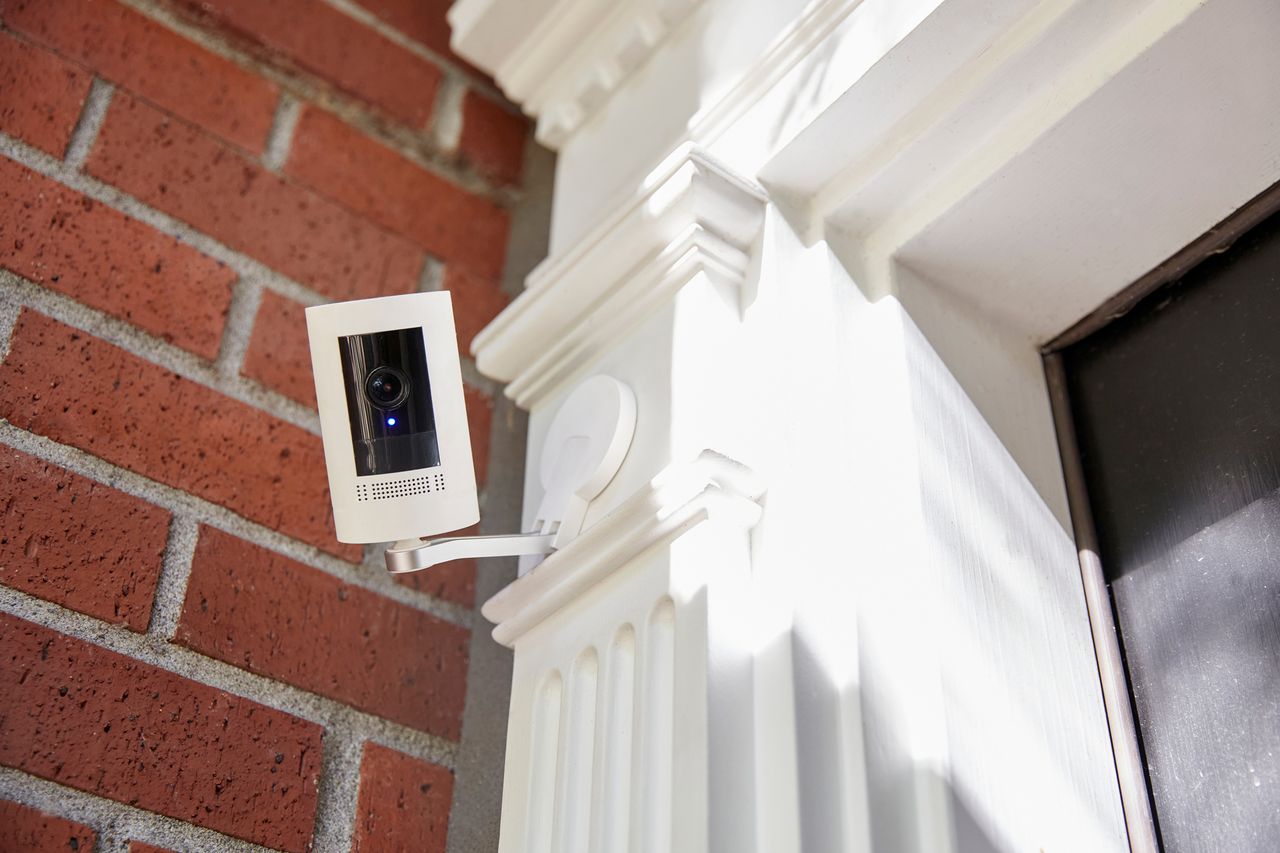
And as for other safety issues — concerns they could be harmed at home, Fadul says he’s “a big fan of security systems." As he explains, "You're a target. You're isolated, you're weak. You cannot fight back.” But he recommends hardwiring the cameras; WiFi-based systems are easily disarmed, as was the case when Guthrie was abducted from her Arizona home on Jan. 31.
“WiFi can go down. You can have batteries that eventually die,” he says. “You want to remove maintenance for seniors. If Grandma's having a hard time with feeling or with seeing, do you want her unscrewing the cover to recharge a doorbell camera?"
The biggest challenge, he shares, may be convincing a loved one to concede to remote monitoring, as they may see it as a loss of autonomy. “They resist if they think that you're taking their independence away,” Fadul says. “There's a humiliation aspect to it that nobody wants, and they don't admit.”
This can be especially tricky if family members want to install cameras inside the house to monitor for falls or other issues. That might be a harder sell, Fadul says, but suggests "asking the kids to pop in and say hi."
Credit: Getty
Never miss a story — sign up for PEOPLE's free daily newsletter to stay up-to-date on the best of what PEOPLE has to offer, from celebrity news to compelling human interest stories.
Whether you’re placing health devices, putting in a remote security system, or installing indoor cameras, you should say, "Hey, we want you living alone, we want you being independent, we'd also just like to check in on you.”
“Framing matters when it comes to buy-in from the seniors,” he said.
And for people who live near their senior family member, Fadul recommends "finding a way in your busy life to incorporate them regularly. If you do this, a lot of these fears go away because they're around. They feel a sense of purpose. They have a reason to be mobile. They have a reason to engage.”
Read the full article here