
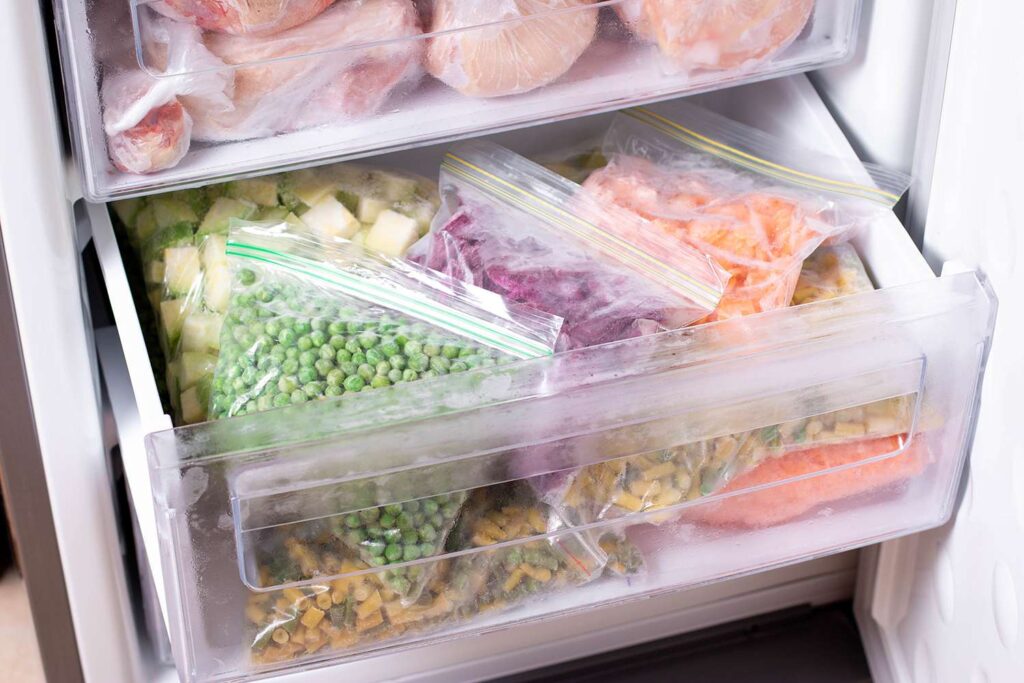
While there are plenty of foods that are safe and common to freeze, some are more freezer-friendly than others
Credit: Getty
NEED TO KNOW
- There are several food products that freeze and thaw well
- However, some foods — including milk-based sauces and leafy greens — lose texture or flavor when frozen and thawed
- Other products, such as cucumbers and watermelon, can become mushy after thawing due to their high water content
It’s no secret that freezing food can be a major time hack.
Foods like soups, frozen fruits, stews and meats have longer shelf lives when they’re frozen and properly stored. Freezing food can both help food retain its flavor, while also extending how long it remains safe to eat.
In addition to freezing individual items, there are also several food items that are purposely made with the intention of remaining frozen until use.
However, not all foods are freezer-friendly. While some lose their texture or flavor in the freezer, others can simply become inedible or undesirable after thawing.
To help you avoid common mistakes, here are 15 foods you should never freeze and some helpful tips for keeping them fresh.
Milk and Cream-Based Sauces

Credit: Getty
While freezing milk or cream might seem like a good way to extend their shelf life, these items tend to separate when thawed, creating a grainy, watery texture.
The same goes for cream-based soups and sauces, according to Allrecipes.com.
Leafy Greens

Credit: Getty
Leafy greens like lettuce, spinach and kale don’t retain their original texture once frozen and defrosted due to their high water content. This means freezing lettuce and other leafy greens to be used later in fresh salads isn’t recommended.
However, according to gardener and food writer Julie Martens Forney, it’s okay to freeze greens if you plan to use them for things like soups and smoothies.
Cooked Pasta

Credit: Getty
Freezing cooked pasta often results in a gummy, mushy texture when reheated. If you’re preparing meals ahead of time, consider freezing the sauce separately and cooking fresh pasta when needed.
If freezing is your only option, cook the pasta al dente and toss it with a little oil before storing, according to Don’t Waste the Crumbs.
Raw Potatoes

Credit: Getty
As with leafy greens, raw potatoes don’t handle freezing well due to their high water content, and they become mushy and grainy when defrosted.
Keep raw potatoes in a cool, dry place away from direct sunlight for long-term storage. Note that cooked potatoes do freeze well, according to PotatoGoodness.com.
Eggs in the Shell

Credit: Getty
Freezing whole eggs in their shells causes the liquid inside to expand, which can crack the shell and ruin the egg, according to Better Homes & Gardens.
To freeze eggs safely, whisk them together and store in an airtight container like Tupperware or a Ziploc bag. You can also freeze them in individual portions using an ice cube tray.
Fried Foods

Credit: Getty
Fried foods lose their signature crispy texture once frozen and reheated, often turning soft and soggy.
If you have leftovers, store them in the fridge and reheat them in an oven or air fryer to restore some of the crispiness, per The Food Network.
Soft Cheeses

Credit: Getty
According to Allrecipes, soft cheeses like cream cheese, ricotta and goat cheese don’t freeze well and tend to separate or become grainy after thawing.
Hard cheeses such as cheddar, parmesan and gouda, however, are better suited for freezing and can be grated and stored for later use.
Mayonnaise-Based Salads

Credit: Getty
Chicken salad, egg salad and other dishes made with mayonnaise don’t freeze well because the mayo separates during the thawing process.
This results in a watery, unappetizing texture, according to Southern Living. Instead, freeze the cooked proteins separately and mix in the mayo when you’re ready to eat.
Fresh Herbs

Credit: Getty
Herbs like basil, cilantro and parsley lose their flavor and texture when frozen as-is. Instead, per Serious Eats, for longer storage, you should chop the herbs and freeze them in ice cube trays with olive oil.
These herb cubes can then be added to soups and sauces later.
Cucumbers

Credit: Getty
Due to their high water content, cucumbers turn mushy and slimy once frozen.
They’re best kept fresh in the fridge for salads and snacking.
Yogurt

Credit: Getty
While you can technically eat thawed yogurt (and it will maintain its nutritional and probiotic properties), it separates when frozen.
This means it will likely have a more watery, grainy texture that many find unappetizing. Because of this, it’s best to avoid freezing yogurt unless you plan to use it in smoothies, per Healthline.
Whole Avocados

Credit: Getty
Whole avocados turn brown and mushy when thawed. If you need to preserve them, according to MarthaStewart.com, you should slice or cube the avocado and seal it in an airtight container with some lemon or lime juice before freezing.
Tomatoes

Credit: Getty
Freezing raw tomatoes will cause them to become soft and watery once thawed, which makes them unsuitable for salads or fresh dishes.
However, feel free to freeze them for use in soups and sauces. Roasting them before freezing will yield even better flavor results, according to chef Robin Asbell.
Coffee Beans

Credit: Getty
This may come as a surprise to many, but freezing coffee beans can actually compromise their flavor as the moisture affects their natural oils, and the beans absorb odors from the freezer.
Instead, store them in an airtight container in a cool, dark place for optimal freshness. The flavor should stay intact for up to four to six weeks, according to Epicurious.com.
Water-Rich Fruits (like Watermelon and Oranges)

Credit: Getty
Fruits with high water content, such as watermelon and citrus fruits, become mushy and lose their texture once thawed. Because of this, it’s best to only freeze water-rich fruits if you plan to blend them (while still frozen) into smoothies or other blended drinks, per Simply Recipes.
And in terms of general freezing protocol: Remember that food expands when frozen, so it’s always best to leave a little extra room in your airtight storage containers before freezing.
Read the full article here