
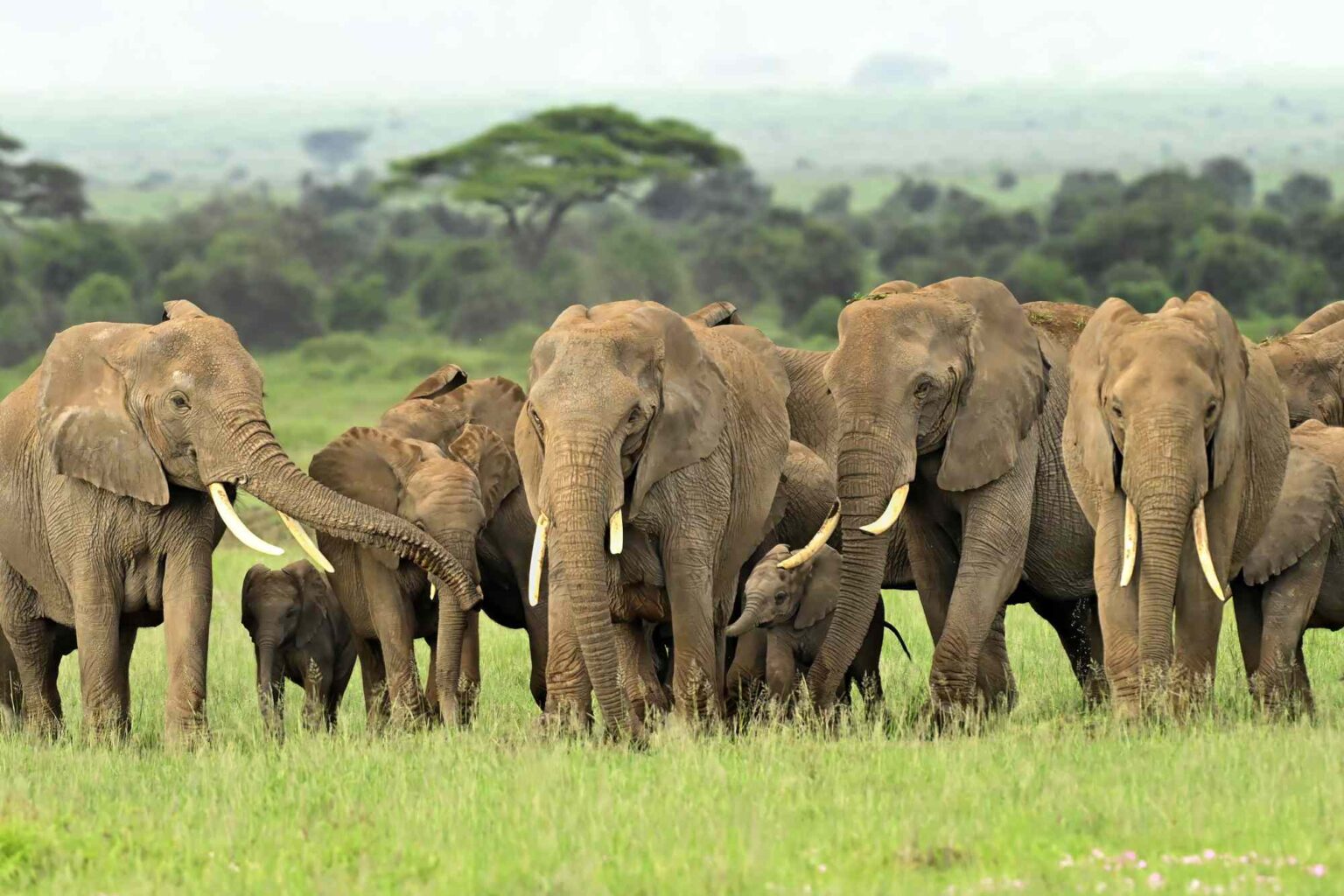
Researchers identified eight plant species that sick elephants appear to seek out for a specific purpose, plus five used in “allocare” between mothers and calves
Credit: Getty
NEED TO KNOW
- A study suggests African elephants in Kenya may self-medicate using specific plants and minerals when sick
- Local experts observed elephants using plants for digestion, appetite, and even mixing remedies for their calves
- Researchers highlight conservation concerns as habitat loss could limit elephants’ access to these potentially helpful plants
Elephants may be foraging for their own medicine and even preparing remedies for their young, according to new research out of Kenya.
A study published in the journal Scientific Reports on Thursday, Sept. 24, suggests that wild African elephants in the Mount Elgon region deliberately seek out specific plants to treat themselves when they’re sick.
The findings come from interviews with eight members of the Sabaot Indigenous community, including wildlife scouts, guides, elders and a retired ranger, who have spent more than 20 years observing elephants in the region.
In total, the local experts reported that the elephants consume 35 plant species and four types of soil or mineral, and 87% of those resources are also used in local human medicine, the researchers found. Of the plants, the informants identified eight that sick elephants appear to target for a specific therapeutic purpose, or what the study suggests is the strongest evidence of intentional self-medication.
Credit: Getty
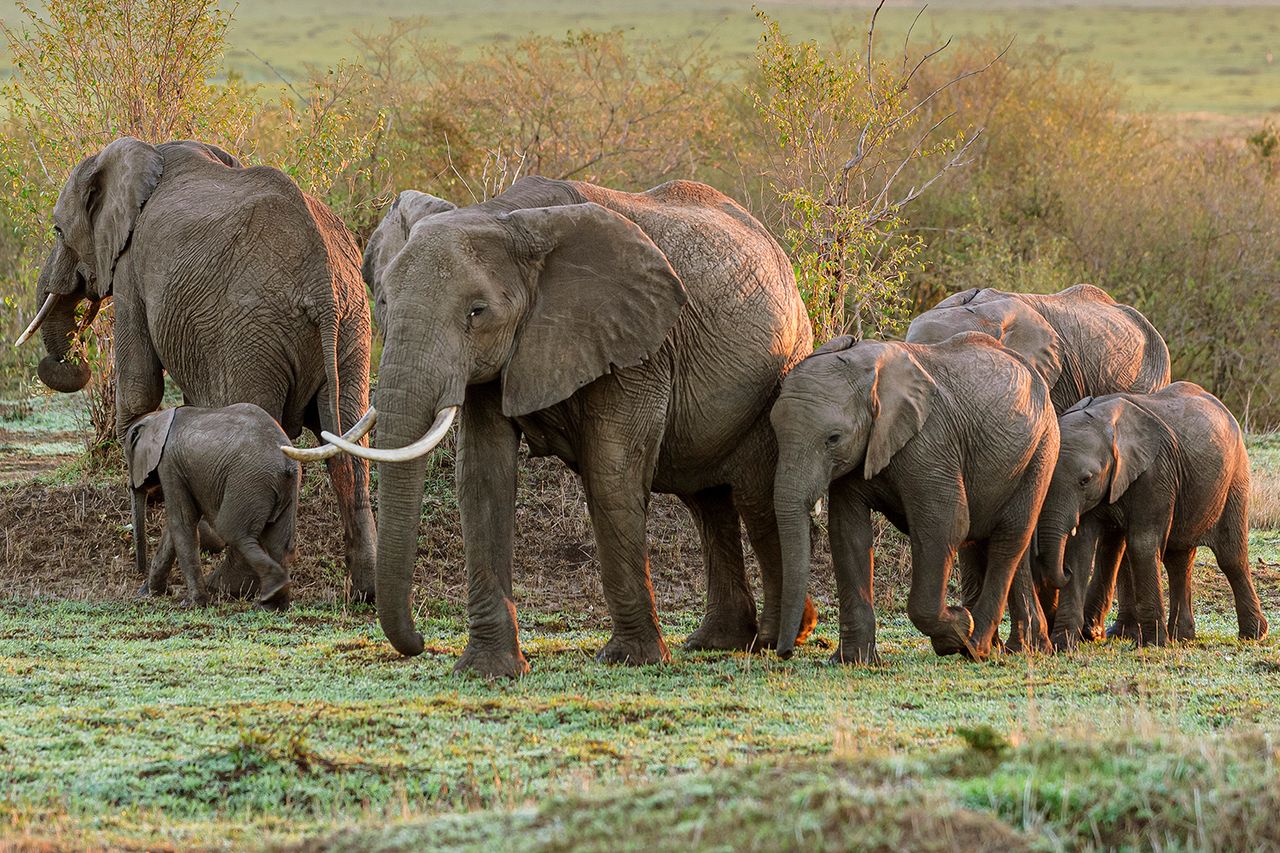
Some of the most striking accounts involved mothers caring for their calves. Local observers described mother elephants chewing certain roots and leaves, then mixing the material with their milk to feed their young — a practice they characterized as “a kind of immunization,” as explained in the study. Elephants were also reported to use several plants in the genus Dombeya to aid digestion and soften their droppings, and to feed calves another plant to boost their appetite.
“These first-hand reports from local experts suggest that elephants may intentionally seek out medicinal plants, indicating a targeted rather than random foraging behavior,” the researchers wrote. “Taken together, our findings suggest that African elephants may have more diverse and complex medicinal repertoires than previously recognized.”
The elephants of Mount Elgon, a volcanic massif on the Kenya-Uganda border, are already known for “mining” the area’s caves with their tusks to reach mineral-rich salts and clays. The new research suggests their pharmacy may extend well beyond the caves.
Study co-author Elodie Freymann of Brown University said the work raises a bigger question about what’s lost when forests disappear.
“There are medicine-producing organisms on this planet that have this incredible capability,” she told BBC News, describing the plants as “medicine factories that exist all around us.”
Credit: Getty
However, not all experts are equally convinced of the study’s results.
Michael Huffman, a primatologist at Nagasaki University who was not involved in the study, called the calf-feeding account “tantalizing” but said more evidence would be needed to prove elephants offer their young tailored medical treatment. The researchers agreed that the accounts are observational and that pharmacological testing and long-term tracking are the necessary next steps.
Despite the slight disagreement on significance, the study places elephants firmly within a growing body of research on animal self-medication, a field known as zoopharmacognosy that now spans creatures from chimpanzees and orangutans to bees and flies.
Never miss a story — sign up for PEOPLE’s free daily newsletter to stay up-to-date on the best of what PEOPLE has to offer, from celebrity news to compelling human interest stories.
“It’s a win-win for us to protect these forests and keep those natural pharmacies around,” added Freymann. “[At least] long enough that we can discover new natural products that could save us down the line.”
Read the full article here