

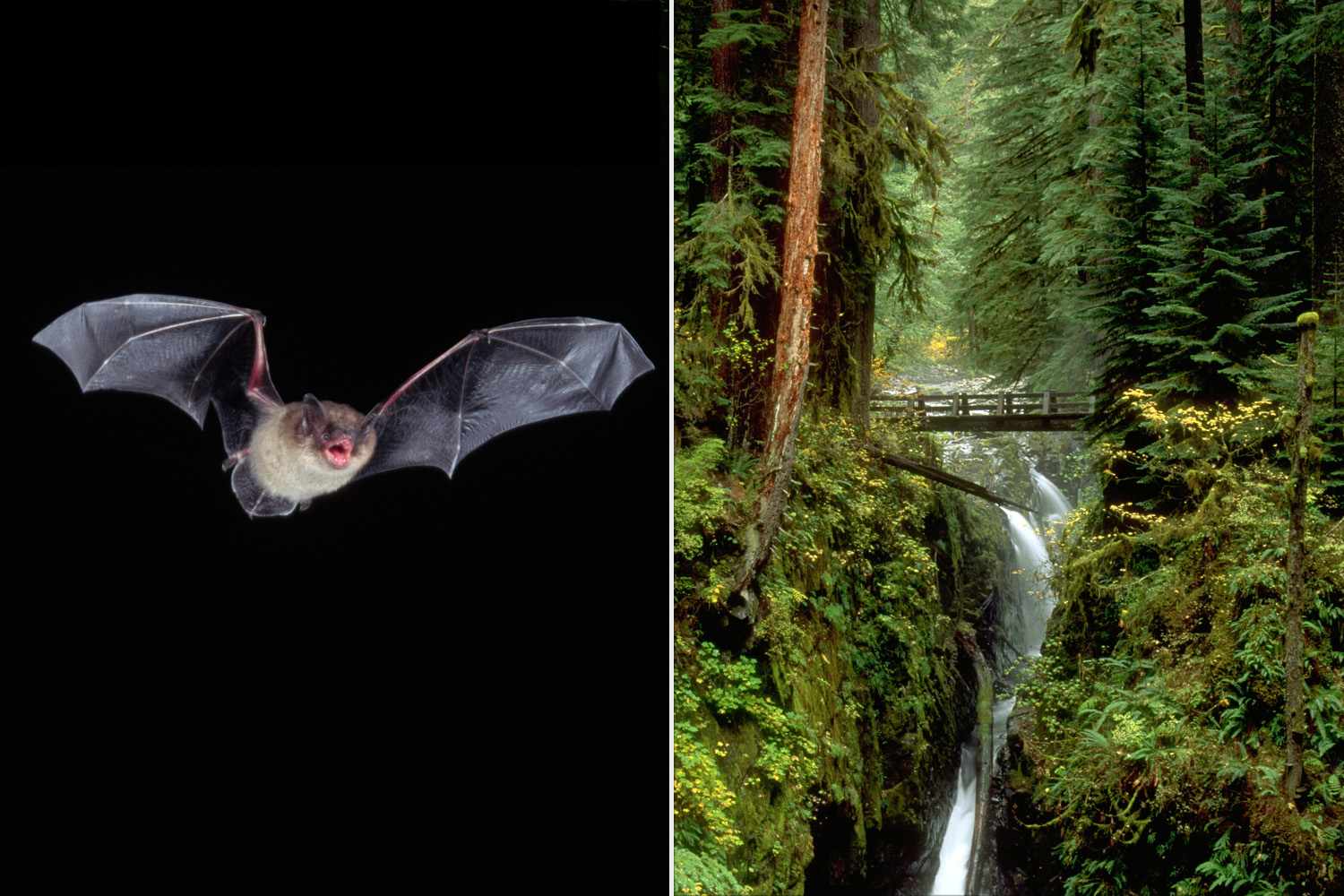
The incident occurred at Olympic National Park on Aug. 9
Credit: Getty (2)
NEED TO KNOW
- A rabid bat “swooped” at a woman at Olympic National Park and became tangled in her hair
- The National Park Service urged the unknown woman and anyone who had contact with the bat to seek immediate medical care for rabies exposure
- Rabies is a fatal disease, but can be prevented with prompt medical treatment immediately after exposure
The National Park Service is imploring a woman to seek medical care after she came in close contact with a rabid bat.
On Sunday, Aug. 9, around 2 p.m., a bat “swooped” down onto a woman near the Staircase Bridge at Olympic National Park and became tangled in her hair, the National Park Service shared in an announcement on Aug. 12. The bat later tested positive for rabies. The unidentified parkgoer is considered at risk of contracting the disease.
The bat also swooped down at other visitors in the area, the National Park Service added, and it’s not clear whether anyone else had contact with the bat.

Credit: Alamy
“Anyone who may have had contact with a bat in the area should contact a healthcare provider and their local health department promptly to determine whether treatment is needed,” Olympic National Park shared in a public safety alert, posted to Instagram on Aug. 12.
The woman who was exposed should also contact the Mason County Health Department at (360) 427-9670 ext. 405, the post read.
According to the Centers for Disease Control and Prevention (CDC), rabies is a viral disease transmitted through bites and scratches from an infected animal. It is a fatal condition, but can be prevented with immediate medical care after exposure.
Post-exposure treatment, called post-exposure prophylaxis, includes wound care, administering human rabies immune globulin, and a series of vaccines.
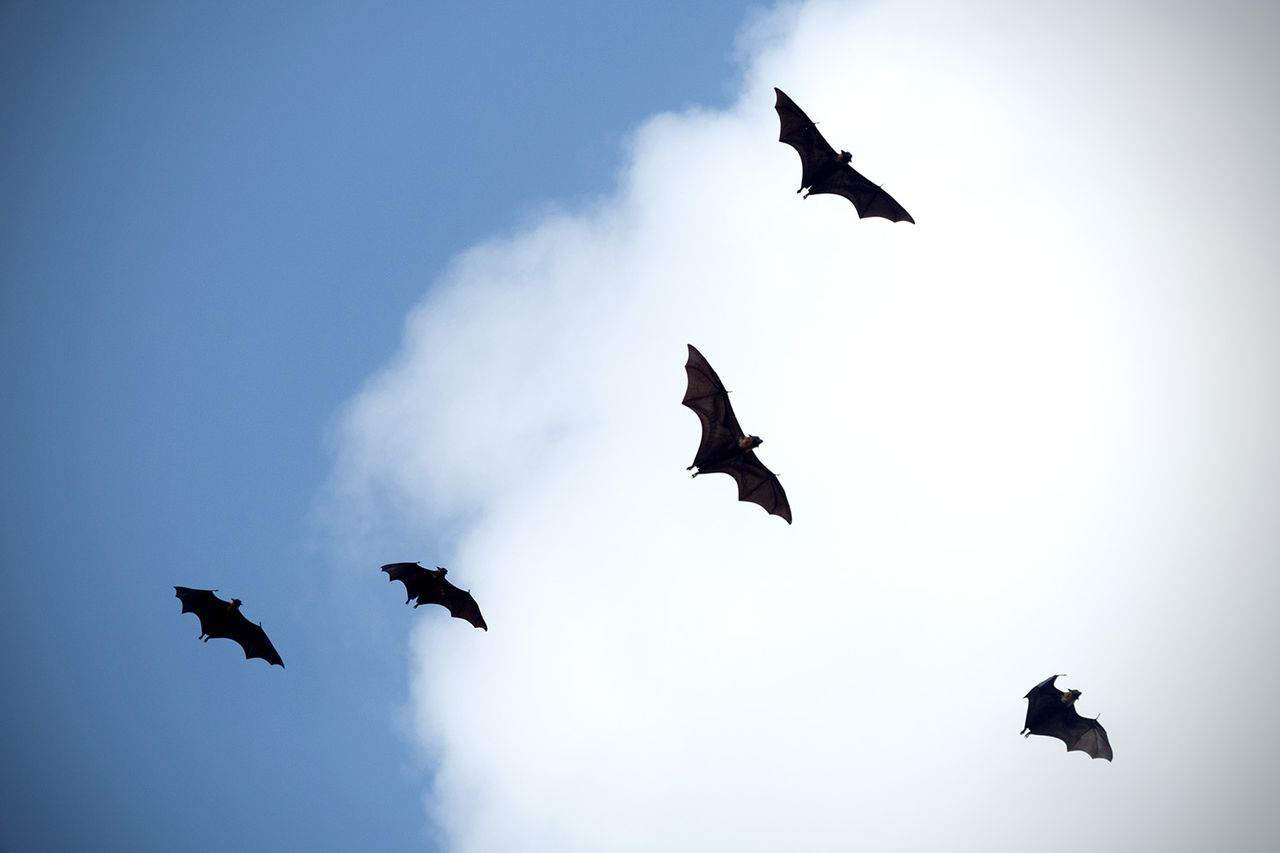
Credit: Getty
“You must get this care to prevent the disease from developing, and it’s nearly 100% effective if you get it after exposure,” the CDC’s site reads.
Though fewer than 10 rabies-related deaths are reported in the U.S. each year, it’s still prevalent in wild animals and thus is still widely considered a serious threat to public health.
Read the full article here