

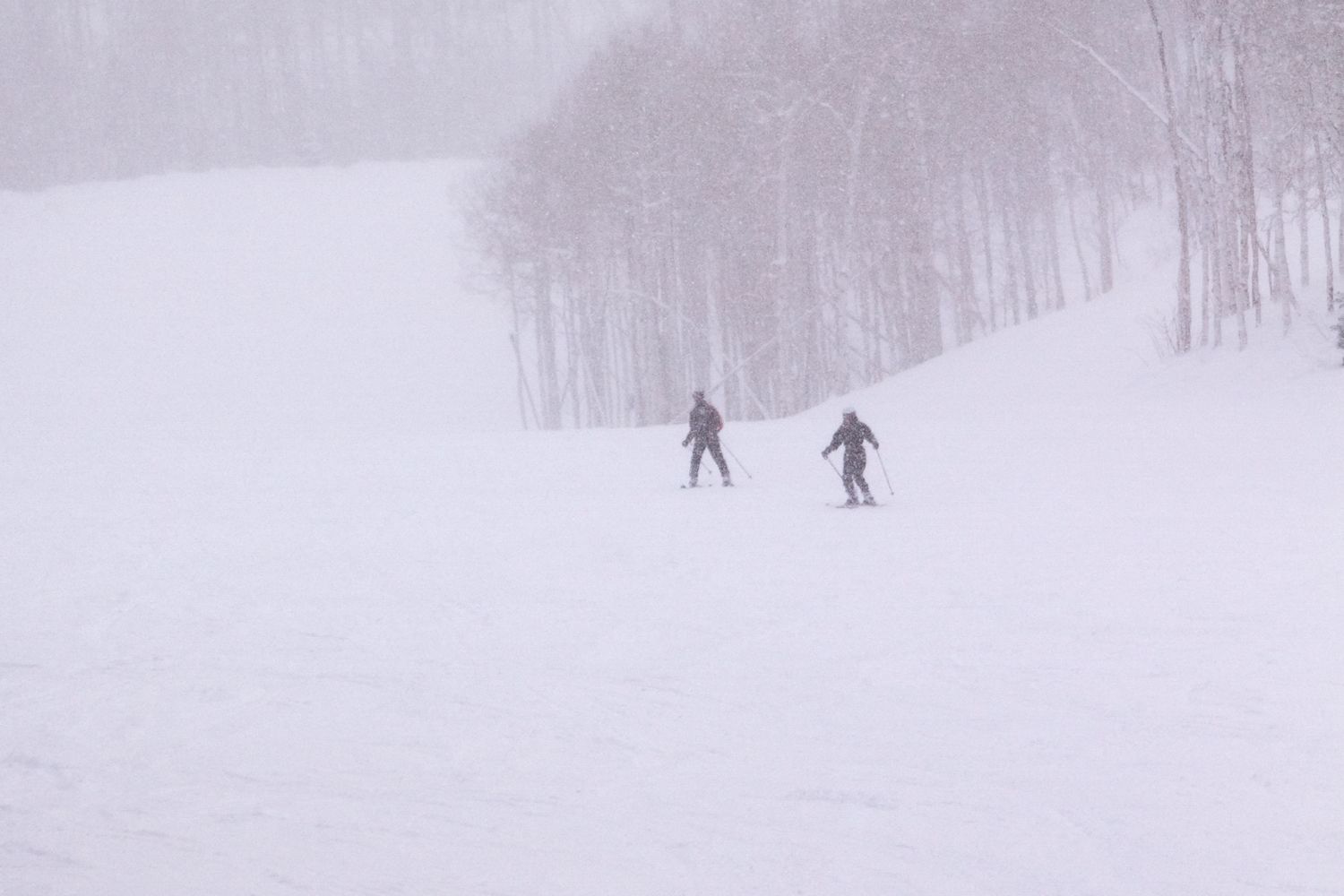
PEOPLE spoke to avalanche educator Richard Bothwell about the deadly Feb. 17 incident and how skiers tend to prepare for a situation like this
Getty
NEED TO KNOW
- PEOPLE spoke to avalanche educator and backcountry ski guide Richard Bothwell about the tragic avalanche that occurred in Truckee, Calif., near Lake Tahoe, on Feb. 17
- Bothwell shed light on the incident and explained how backcountry skiers tend to prepare for conditions like these
- The deadly avalanche struck a group of 11 clients and four guides, resulting in multiple skier fatalities
An avalanche expert is shedding light on the recent tragedy that occurred in Truckee, Calif., near Lake Tahoe, earlier this week, resulting in multiple skier fatalities.
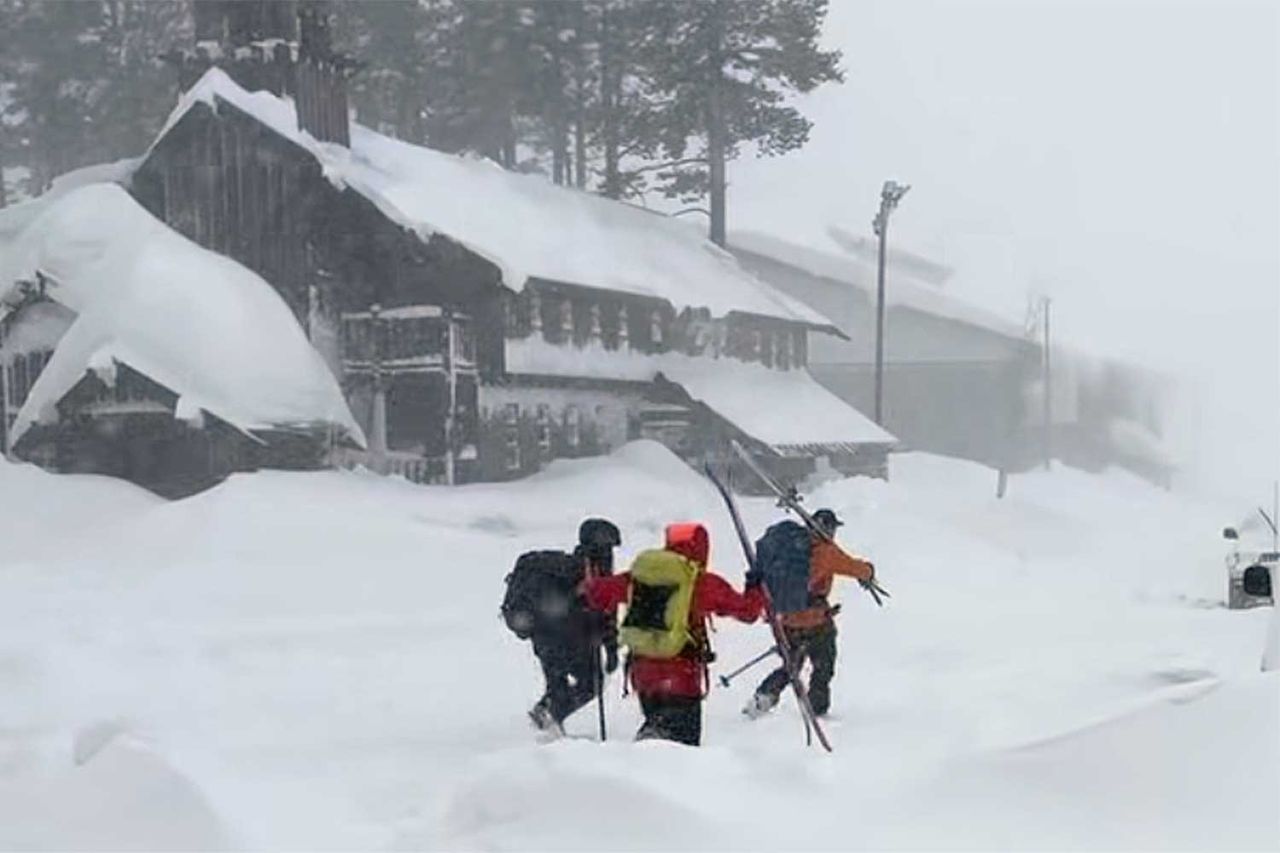
On the morning of Tuesday, Feb. 17, a group of 15 skiers, which included 11 clients and four guides, got caught in a deadly slide amid blizzard conditions while an avalanche warning was in effect, PEOPLE previously reported.
Richard Bothwell — owner, lead guide and avalanche educator for the Northern California-based guide service, Outdoor Adventure Club — spoke to PEOPLE about how skiers tend to prepare for conditions like these when they go out in the backcountry.
Bothwell, who has been a backcountry ski guide for the past 30 years, emphasized that while he doesn’t know what went into the group’s “decision-making that day,” he notes that it would be “pretty reasonable” for backcountry skiers to go out in almost any condition with the proper gear and training.
Getty
In fact, he says he was out the same day skiing in “blizzard-like” conditions.
“I think the broader population has this sense that avalanches are entirely random, and there's no way to manage that hazard. That is not the case,” he tells PEOPLE.
Bothwell notes that “as the avalanche danger increases,” skiers need to be “more meticulous about our terrain choice, and we need to build in more of a safety margin between us and the hazard.”
While he admits that going out in a blizzard is “difficult to manage,” given the concern about colder temperatures, the snow and the possibility of an avalanche, he also says that it’s “not crazy” for backcountry skiers to want to go out in those conditions.
“It's difficult to navigate – it is not for everyone to be out there. But it's also not crazy. I enjoy those conditions,” he says. ”So if we can be meticulous about our terrain choice, if we can avoid being in avalanche terrain, then we can avoid being caught in an avalanche.”
Bothwell recalls one harrowing instance in which he actually did encounter an avalanche during a backcountry outing, and he survived thanks to his teammates, he says.
Nevada County Sheriff's Office/Facebook
“I've been caught in one avalanche where I was buried beyond the point of being able to get myself out,” he explains. “When that happens, if you are caught in an avalanche, you need to be relying on your teammates to dig you out.”
While many factors can impact one’s chance of surviving an avalanche — such as “experiencing trauma” in the event a skier hits a tree, a rock, or breaks any bones — Bothwell says there are certain precautions skiers tend to take while going out in such severe conditions.
AP Photos/Brooke Hess-Homeier
Though there’s “no one checking at the gate” if skiers have any avalanche knowledge or gear, he says many skiers take an avalanche training course to better understand the natural disaster and to have a “risk management framework” when planning trips.
He also notes that having some sort of wilderness medicine training, or a wilderness first responder course, is ideal for “anyone who's traveling in the backcountry, whether they're backpacking, hiking, rock climbing, rafting or backcountry skiing.”
Never miss a story — sign up for PEOPLE's free daily newsletter to stay up-to-date on the best of what PEOPLE has to offer, from celebrity news to compelling human interest stories.
As for avalanche rescue gear, skiers tend to have a beacon that sends out a localized signal, “and that signal will be picked up by our partners who are also wearing similar gear,” he says.
Along with a beacon, skiers should also bring rescue gear like an avalanche shovel and probe.
“And we need to have communication devices both within our team, like a walkie-talkie,” Bothwell says. “With all of that, and a solid team that's communicating well where all the voices are heard, then it can be pretty reasonable to go into the backcountry in just about any condition.”
Read the full article here