
Mandy Horvath lost both of her legs in a horrifying incident — and found new grit as a survivor
Credit: The Ascent Documentary (2)
NEED TO KNOW
- Mandy Horvath lost both legs in a 2014 train accident that she believes was caused by her drink being spiked
- As a bilateral amputee, she summited Pikes Peak and Mount Kilimanjaro, inspiring a new documentary, The Ascent
- Horvath is now an advocate for people with disabilities and shares a message of caution and resilience with women worldwide
The events surrounding that terrible night 12 years ago in Steele City, Neb., are still a blur for Mandy Horvath.
She’d been drinking at the Salty Dog saloon with her boyfriend, Dan, and another friend, April. “I stepped outside to smoke a cigarette,” she tells PEOPLE in this week’s issue, “and the last splashes of memory I have were of petting some horses.”
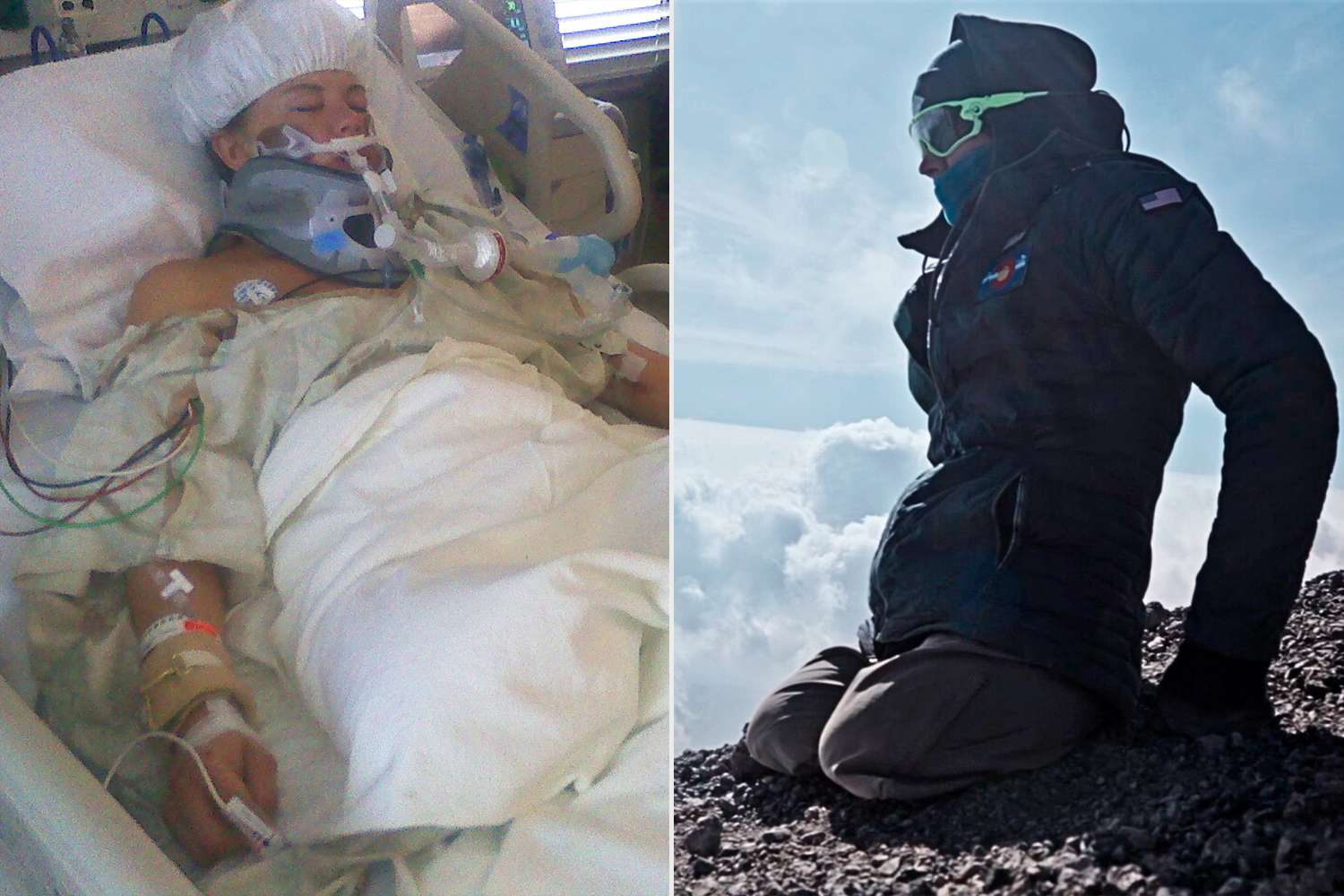
When she came to, the blood-soaked 21-year-old was strapped to a gurney in the back of an ambulance as paramedics went to work trying to keep her alive.
“I was in shock,” she recalls. “I was trying to sit up and get out so I could go home. … I didn’t know that I’d been hit by a train.”
Exactly how Horvath ended up unconscious on the tracks away from the bar remains murky, in part because of what she calls an incomplete police investigation. But her resolve after losing both legs above the knee in the 2014 tragedy — which she believes happened after someone spiked her drink — is crystal clear.
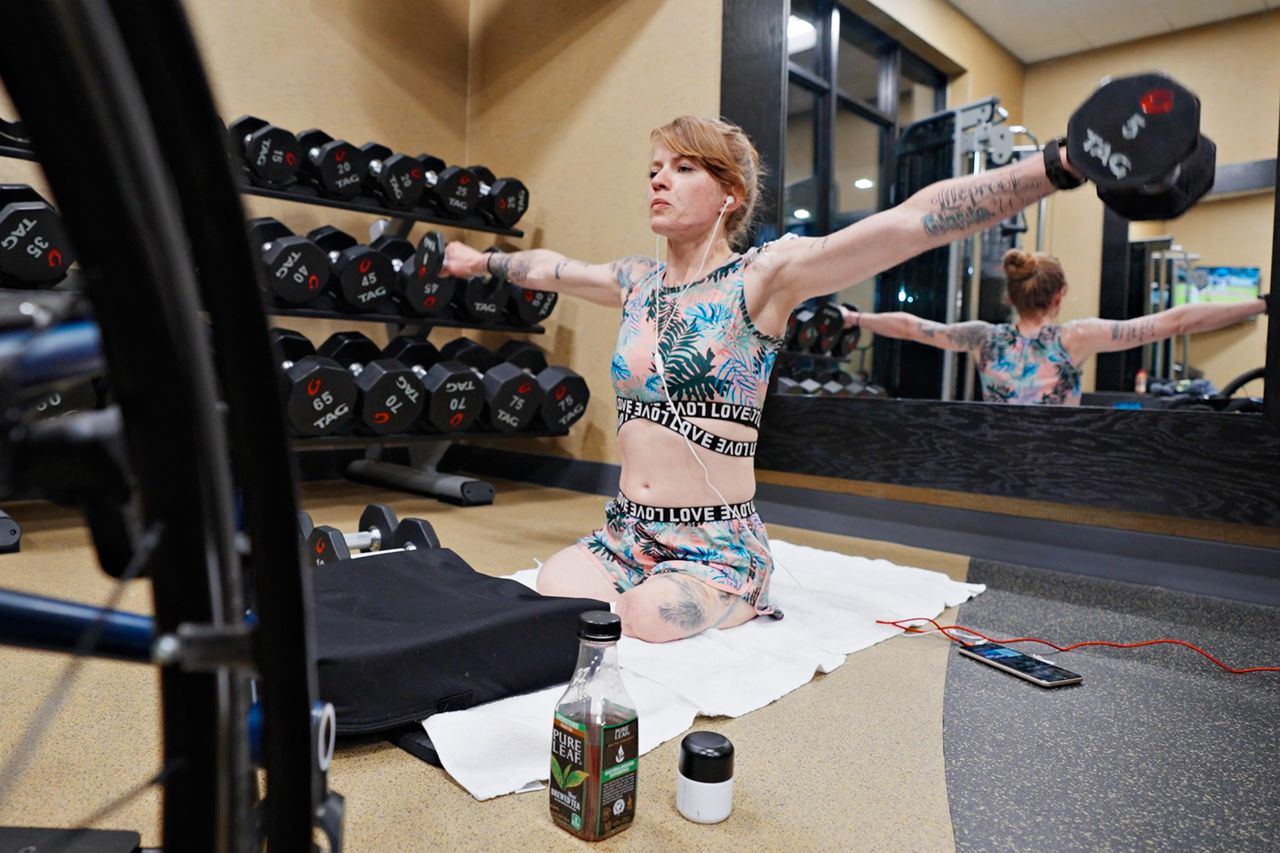
And in the years since, the self-described “life-proof bionic woman” has not only transformed herself into an outspoken advocate for people with disabilities but also become famous for muscling her own way up mountains, as well as the Statue of Liberty, using nothing more than her hands, arms and grit.
Take PEOPLE with you! Subscribe to PEOPLE magazine to get the latest details on celebrity news, exclusive royal updates, how-it-happened true crime stories and more — right to your mailbox.
Credit: Robby Klein/Getty
Now she’s the subject of a new documentary, The Ascent, which recently premiered at the SXSW Film & TV Festival and chronicles her climb of Mount Kilimanjaro in 2021.
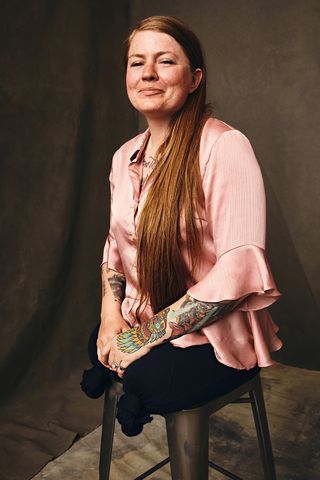
“Tattooed across my chest are the words ‘Tell me that I can’t, and I’ll show you that I can,’ ” says Horvath, 32. “Those words have become my mantra.”
Before her amputations Horvath, who grew up in Smithville, Mo., and graduated high school at 16, was working in the culinary field and dreamed of becoming a chef.
No one was ever charged in connection with her being run over, and local police — who did not conduct a blood test for the presence of date-rape drugs — wrote it off as a suicide attempt. She spent much of the next year after the accident in the hospital, dealing with medical complications and relying on scores of pain medications, and another five years grappling with what she describes as a “really dark period” of depression and alcoholism.
Credit: The Ascent Documentary
In the thick of her struggles Horvath turned to nature, she says, to “help [her] come back to her soul.”
In 2018 she became the first bilateral amputee to reach the 14,115-ft. summit of Pikes Peak in Colorado Springs, Colo., and she stopped abusing alcohol that same year.
Her six-day, 50-mile climb of Tanzania’s 19,341-ft. Mount Kilimanjaro, during which she relied on 50 pairs of thick gloves to protect her hands, is a testament to her toughness.
“It was a very emotional experience, the culmination of years of work,” says Horvath, who was accompanied by a small team that included the documentarians.
She then became the first double amputee to appear on the Discovery Channel’s popular Naked and Afraid reality series in 2025.
Credit: K.Oh! Photography/Kariann Ouellette Hoffman
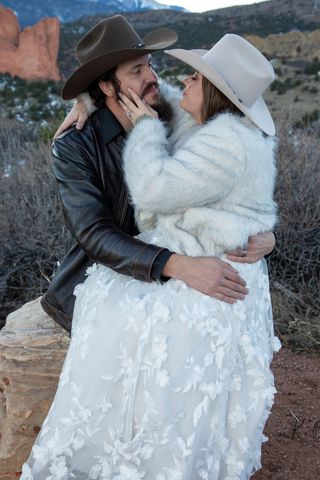
Next up for Horvath is a June wedding to her fiancé, 35-year-old Josh Stigall, an Army vet. She’s also begun training in barrel racing at local rodeos on one of the couple’s two horses.
Asked what advice she has for anyone touched by her story, Horvath strikes a cautionary tone. “To the women of the world,” she says, “my message is to be careful when you go out. Watch your drink, and always make sure you know who you’re around.”
And whenever she feels down, she has a simple rallying cry for herself: “Get up, and let’s go.”
Read the full article here